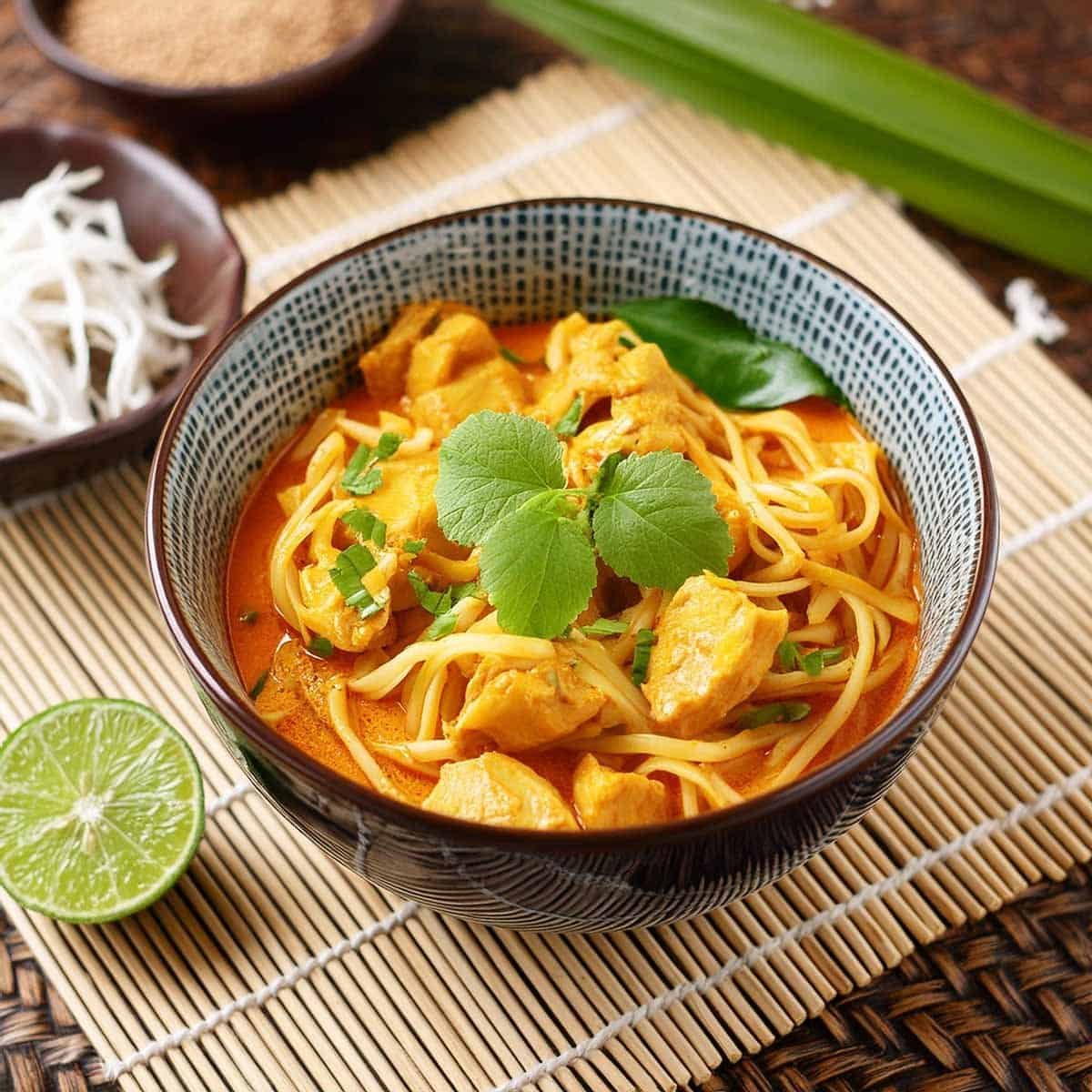
What Is Khao Soi?
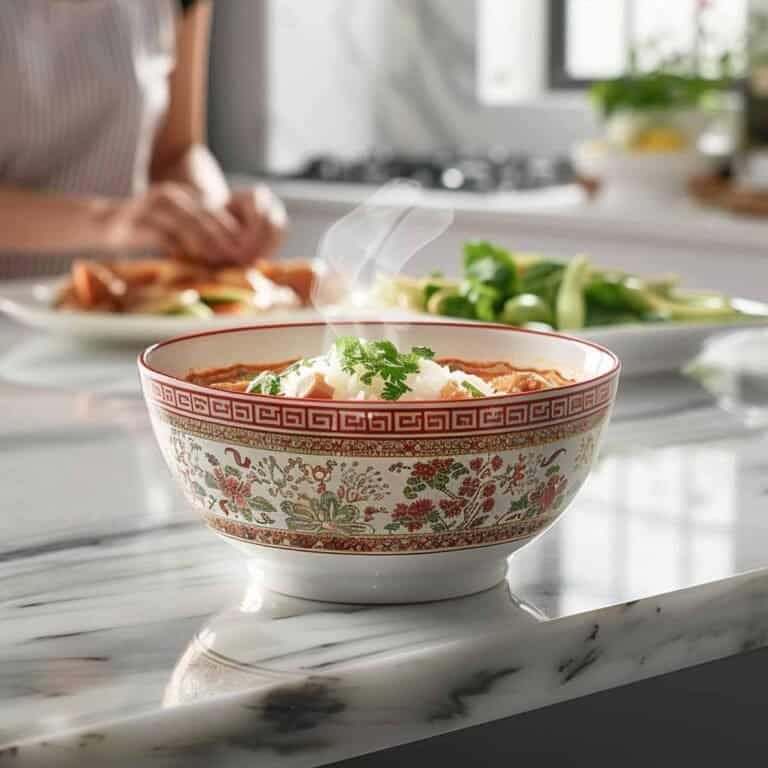
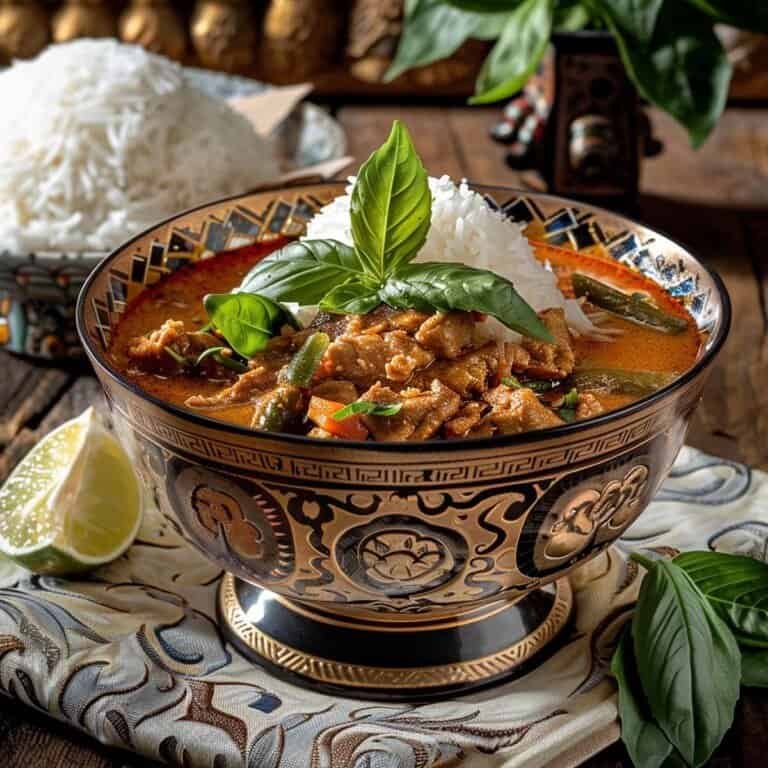
Khao Soi, ข้าวซอย, is a Northern Thai coconut curry noodle soup built on a rich, slightly sweet curry broth with egg noodles cooked inside and crispy fried noodles on top. It is served with pickled mustard greens, shallots, lime, and chili oil alongside. The crispy noodles go first. That has always been the right order.
Note From Susie

Sawasdee Kha, and Hello.
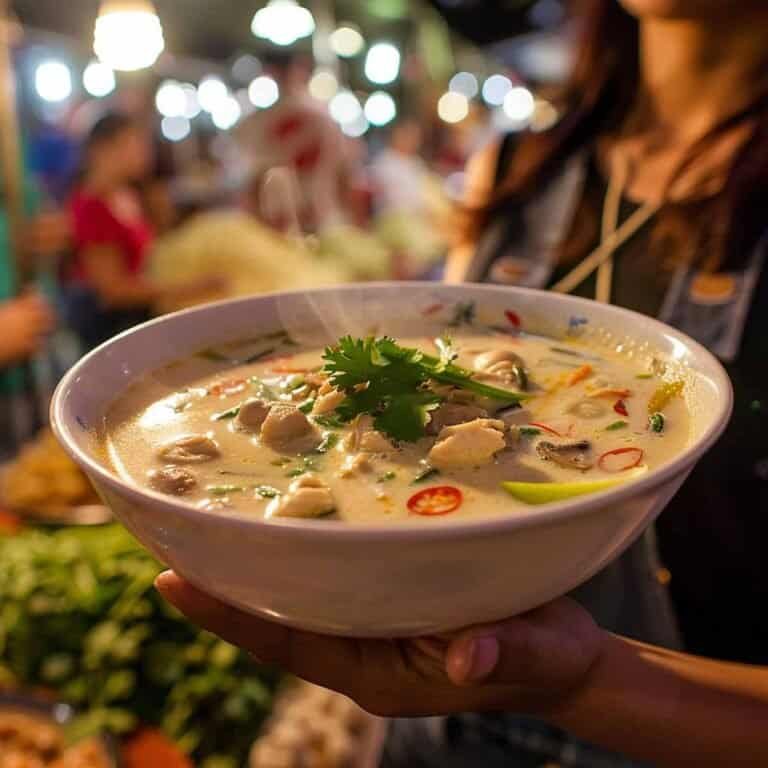
My mother and father took me to the market. That is how I remember it, the three of us, a day out, shopping, and then lunch at one of the food vendors where the smell of the curry found us before we found the stall.
I was a small child still learning about food. Still figuring out what things were and what they meant. The Khao Soi arrived in a bowl and the first thing I reached for was the crispy noodles on top. Not the broth. Not the soft noodles underneath. The crispy ones. They were right there, golden and fragrant from the oil, and a small child learning about food goes for the thing that looks most immediately interesting.
The sweet smell of the curry, warm and slightly spiced, rich from the coconut milk, was the smell of that market, of that lunch, of my mother and father on either side of me and the vendor’s stall busy around us. A market day. An ordinary thing that stayed.
I still reach for the crispy noodles first. Some habits begin before you know you have them.

What’s In This Page
“I still reach for the crispy noodles first.”
— Her Hands His EyesWhat Is Khao Soi?
Khao Soi, ข้าวซอย, is a Northern Thai noodle soup that is unlike any other dish in Thai cuisine. It is built on a coconut curry broth, golden, slightly sweet, warm with curry paste and spices, in which egg noodles are cooked until soft and tender. A second portion of egg noodles is deep-fried until crispy and placed on top of the bowl, so that every serving contains both textures: soft noodles below, crispy noodles above. The soup is served with a set of condiments alongside, pickled mustard greens, raw shallots, lime wedges, and chili oil, that each person adjusts to their own taste at the table.
Khao Soi is a dish of Northern Thailand, most strongly associated with the city of Chiang Mai and with the culinary influence of the Burmese and Yunnan Chinese traders who shaped northern Thai cooking over centuries. It is related to similar coconut curry noodle dishes found in Myanmar and Yunnan province, and reflects the trade routes that ran through northern Thailand for generations. According to the Oxford Companion to Food, Northern Thai cuisine is distinct from central Thai cooking in its use of milder curries, more turmeric, and the influence of neighboring Myanmar, all of which are present in Khao Soi.
The crispy noodles on top are not a garnish. They are structural. They are the first thing a small child reaches for. They are the thing that tells you the bowl has arrived.
What You’ll Need

Dried egg noodles, eight ounces. Cook them according to package instructions until al dente, firm yet tender, then drain and set aside. A quarter of the raw noodles are reserved before cooking and fried crispy for the topping.
Chicken thighs, one pound, boneless and skinless, thinly sliced. Thigh meat stays tender through the simmer. Tofu can be substituted for a vegetarian version.
Vegetable oil, two tablespoons, for building the curry base. Neutral oil for deep-frying the crispy noodles.
Coconut milk, one can, fourteen ounces. The thick cream from the top fries the paste. The remaining milk builds the broth.
Chicken or vegetable broth, two cups, to complete the broth base.
Red curry paste, three tablespoons. Soy sauce, two tablespoons. Fish sauce, one tablespoon, optional for non-vegetarian. Palm sugar or brown sugar, one tablespoon. Turmeric powder, half a teaspoon. Salt to taste.
Fresh cilantro leaves, chopped, for garnish. Lime wedges for serving. Crispy fried noodles for topping.
For the condiments alongside: pickled mustard greens, sliced thin. Raw shallots, sliced thin. Lime wedges. Chili oil or dried chili flakes. These are not optional. They are part of the dish.
VISUAL WALK THROUGH

Step 1. Prepare the noodles.
Cook the dried egg noodles until they are al dente, firm yet tender. Drain them well and set aside, ready to absorb the flavors of the curry broth. Reserve a quarter of the noodles raw before cooking for the crispy topping that goes on top of each bowl.
Step 2. Prepare the curry base.
Heat vegetable oil over medium heat in a large pot. Add the red curry paste and stir-fry for one to two minutes until it becomes fragrant and releases aromatic oils. The kitchen will fill with the warm, slightly sweet smell of curry paste in hot oil. This is the smell of the market vendor’s stall. This is what arrives before the bowl does.
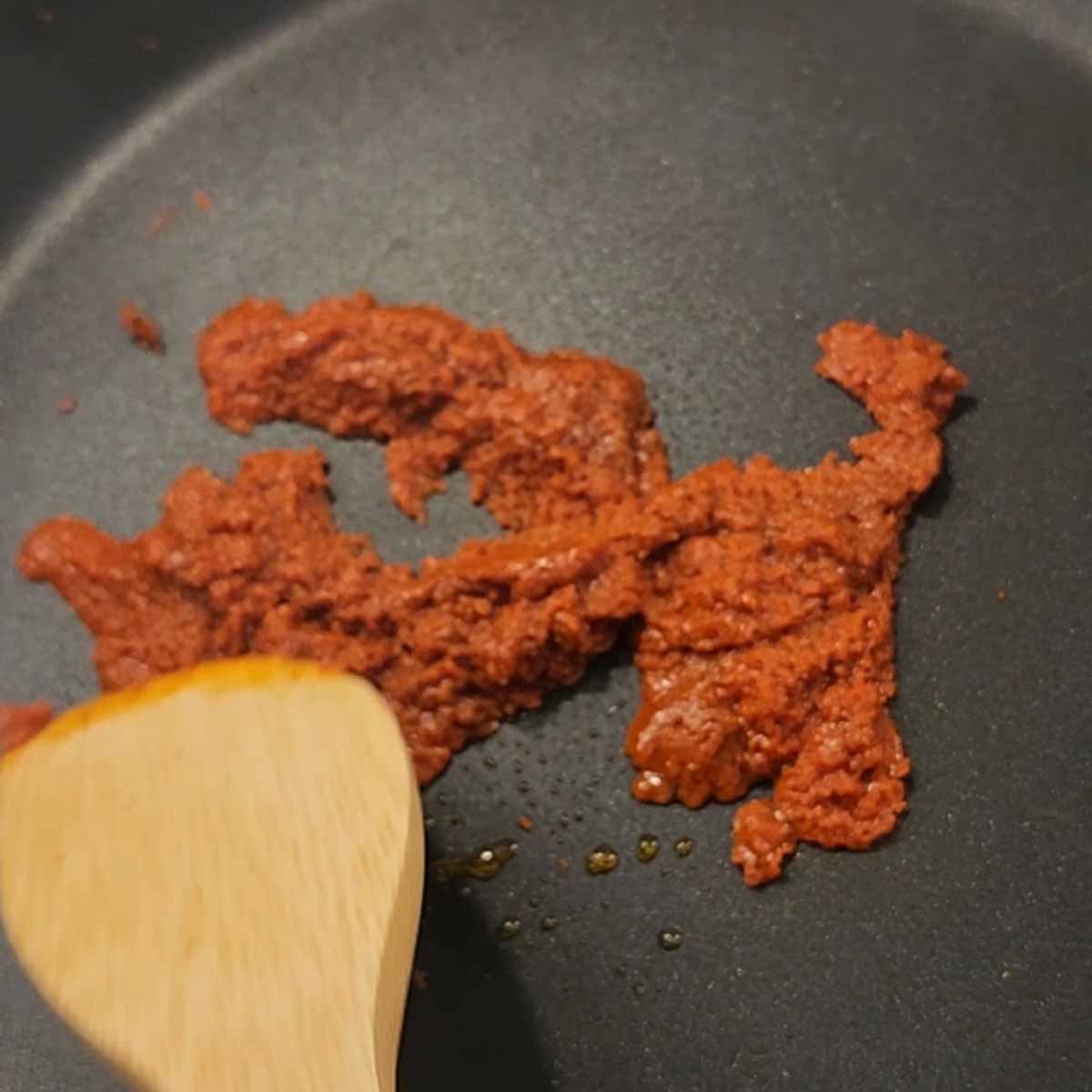
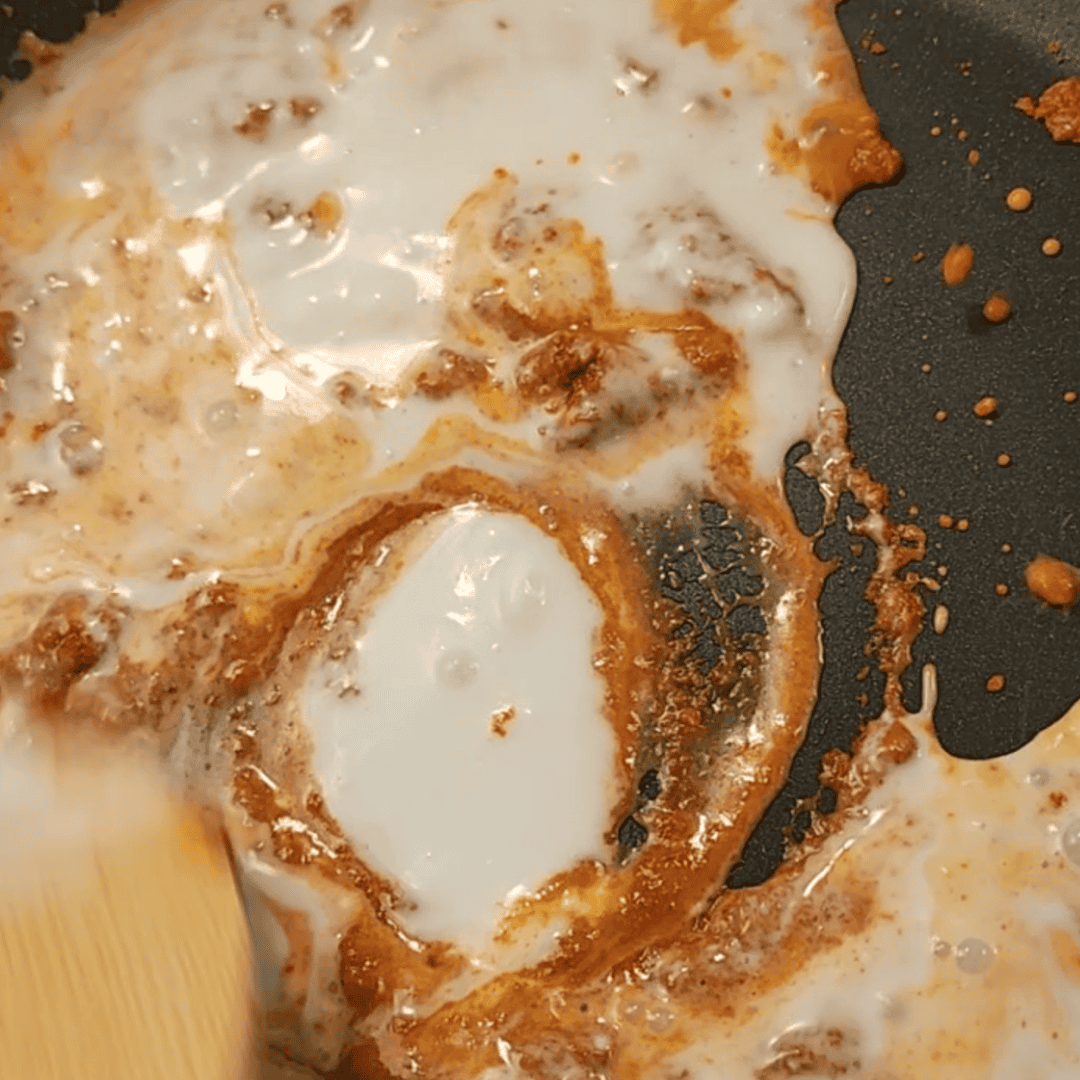
★ Step 3. Add the coconut milk and broth. Build the broth. This is What Makes the Difference.
Pour in the coconut milk and vegetable broth, stirring well to combine. Bring the mixture to a gentle simmer. Add the soy sauce, fish sauce, palm sugar, turmeric powder to the pot. Stir vigorously to dissolve the sugar and ensure even distribution of the spices. Taste and adjust seasoning with salt as needed.
Step 4. Cook the chicken or tofu.
Carefully add the sliced chicken thighs or tofu to the simmering broth. Let them cook gently for eight to ten minutes, (chicken thighs 35-45 minutes), ensuring the chicken is thoroughly cooked through and the tofu is heated through and infused with the broth’s flavors.
Fry the Crispy Noodles:
Reserve a small handful of raw egg noodles before cooking.
Heat neutral oil in a wok or deep pan to 350°F. Fry the reserved noodles in small batches for 30 to 60 seconds until golden and crispy. Remove with a slotted spoon and drain on paper towels. Leave uncovered until ready to use.
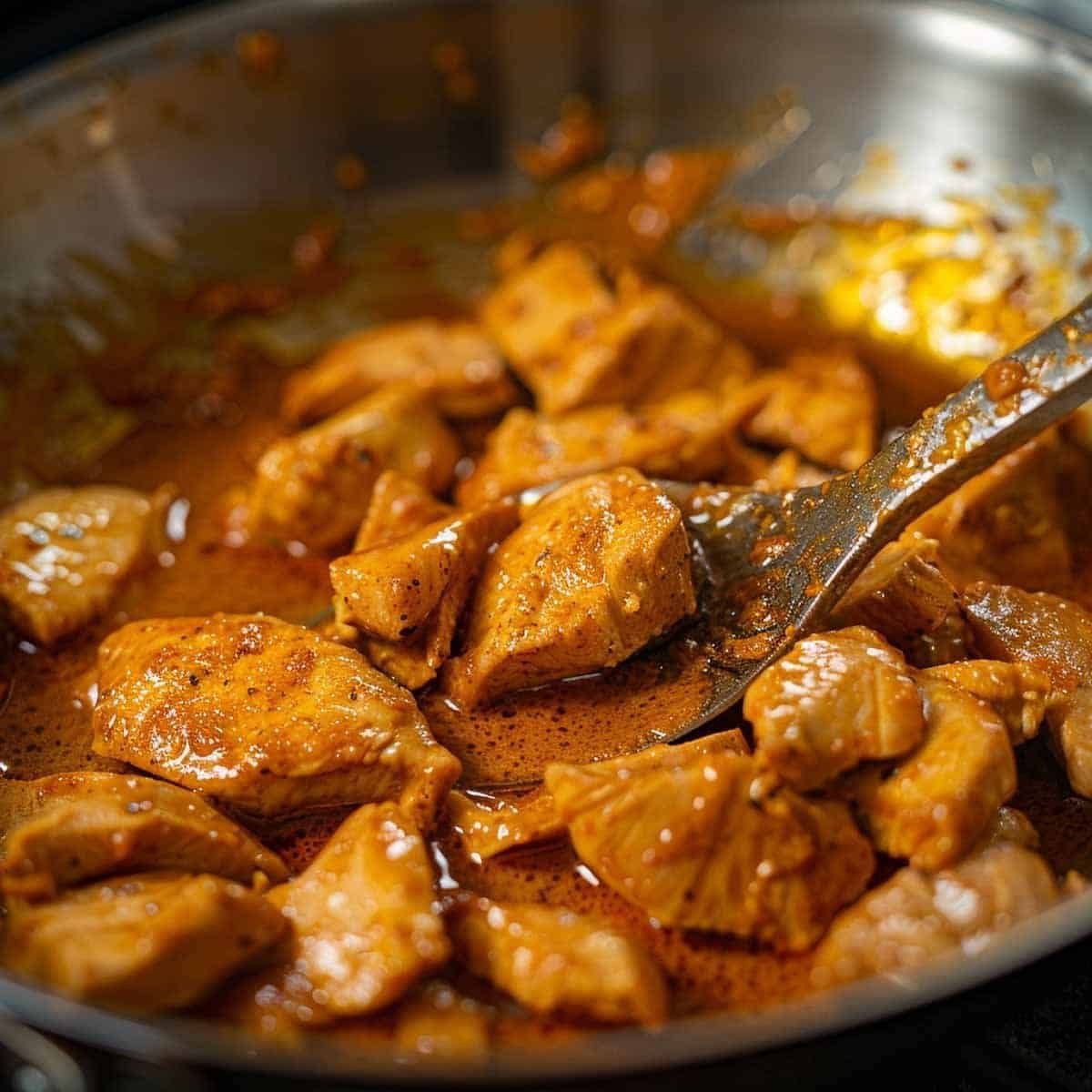
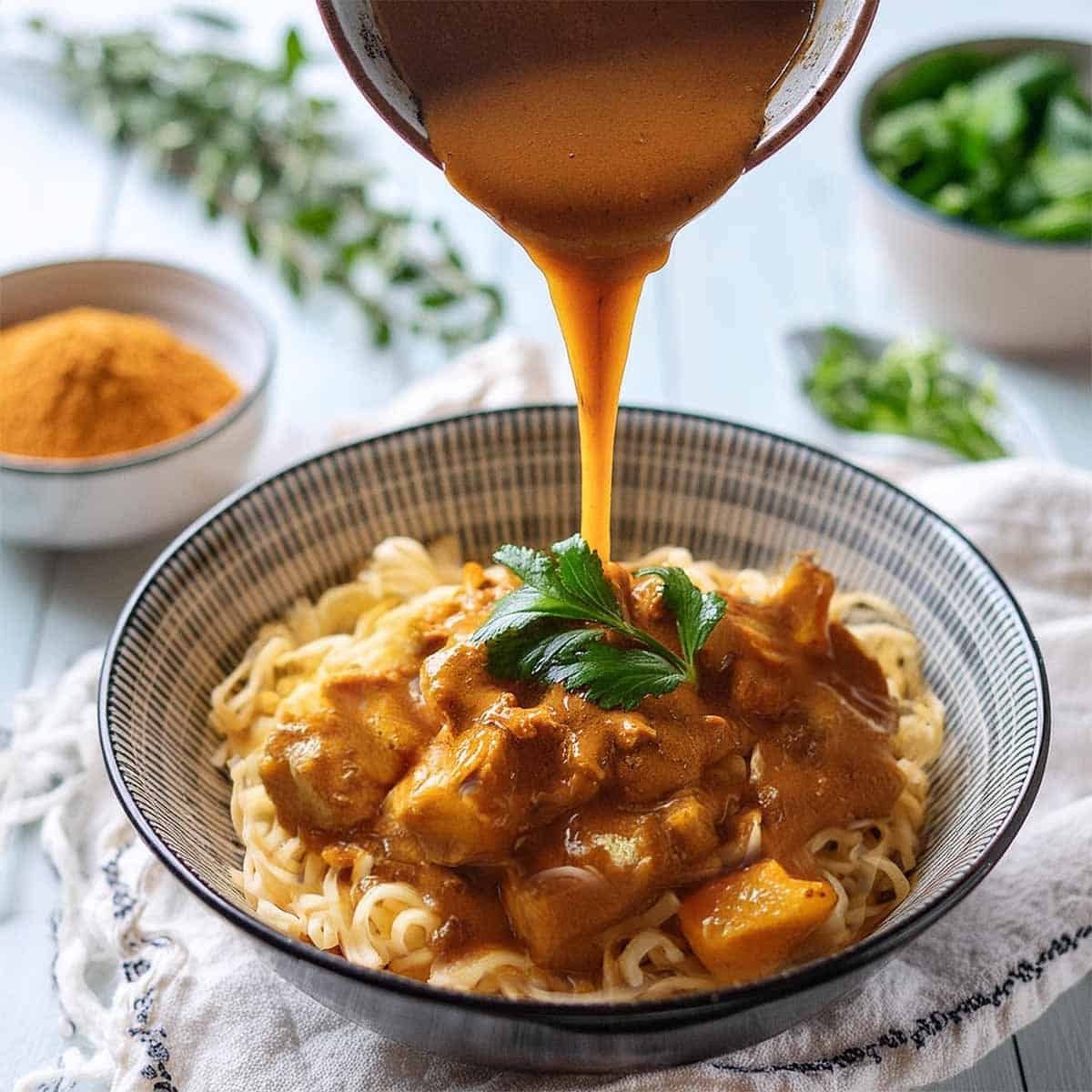
Step 5. Assemble the bowl and serve with lime wedges.
Divide the cooked noodles evenly among serving bowls. Ladle the hot curry broth over the noodles, ensuring each bowl receives a generous amount of flavorful broth. Garnish each serving with a handful of fresh cilantro leaves, pickled mustard greens and a generous pile of crispy fried noodles. Serve lime wedges on the side. Put the condiments in the center of the table. Each person builds the bowl they want. That is how Khao Soi is eaten.
Thai Curry Noodles (Khao Soi)
Equipment
- Wok or deep heavy pot for frying the crispy noodles and building the broth
- Medium saucepan for boiling the soft noodles separately
- Deep-fry thermometer for frying the noodle topping at the right temperature
- Spider or slotted spoon for lifting fried noodles out of the oil
- Ladle for serving the broth
- Large mortar and pestle or food processor if making curry paste from scratch
- 4 deep serving bowls Khao Soi needs a deep bowl, the broth is generous and the toppings are tall
Ingredients
- 8 oz dried egg noodles
- 1 lb chicken thighs- boneless, skinless OR tofu for a vegetarian option
- 2 tbsp vegetable oil
- 2 cans 14 oz coconut milk
- 2 cups chicken broth
- 3 tbsp red curry paste
- 2 tbsp soy sauce
- 1 tbsp fish sauce optional, for non-vegetarian
- 1 tbsp palm sugar or brown sugar
- 1/2 tsp turmeric powder
- Salt to taste
- Fresh cilantro leaves for garnish
- Lime wedges for serving
- Crispy fried noodles for topping
- pickled mustard greens
Instructions
- Prepare the Noodles:Cook the dried egg noodles according to package instructions until they are al dente, firm, yet tender. Drain them well and set aside.
- Prepare the Curry Base:Heat vegetable oil over medium heat in a large pot. Add red curry paste and stir-fry for 1-2 minutes until it becomes fragrant.
- Add Coconut Milk and Broth:Pour in the coconut milk and or vegetable broth, stirring well to combine. Bring the mixture to a gentle simmer.
- Fry the Crispy Noodles:Reserve a small handful of raw egg noodles before cooking. Heat neutral oil in a wok or deep pan to 350°F. Fry the reserved noodles in small batches for 30 to 60 seconds until golden and crispy. Remove with a slotted spoon and drain on paper towels. Leave uncovered until ready to use.
- Season the Curry:Add soy sauce, fish sauce (if using), palm sugar, turmeric powder to the pot. Stir to dissolve the sugar and ensure even distribution of the spices. Taste and adjust seasoning with salt as needed to balance the flavors.
- Cook the Chicken or Tofu:Carefully add the chicken thighs or tofu to the simmering broth. Let them cook gently for 8-10 minutes, ensuring the chicken is thoroughly cooked, or the tofu is heated through and infused with the broth's flavors.
- Assemble and Serve:Divide the cooked noodles evenly among serving bowls. Ladle the hot curry broth over the noodles. Garnish each serving with a handful of fresh cilantro leaves, pickled mustard greens, and crispy fried noodles.
- Serve with Lime Wedges:Serve Khao Soi piping hot with lime wedges on the side.
Notes
Nutrition
Let’s Get This Right
Why does my Khao Soi broth taste thin?
The coconut milk cans were shaken before opening, or the curry paste was not fried long enough in the coconut cream. Both produce the same thin, underdeveloped broth. Open the cans without shaking, spoon the cream off the top, and fry the paste in that cream for three to five minutes until the oil visibly separates before any liquid is added. This is the step that builds the broth’s body and depth.
Why are my crispy noodles soft instead of crispy?
The oil was not hot enough, or the noodles were covered after frying. Noodles fried in oil that is not at temperature will absorb the oil rather than crisping. After frying, leave the noodles uncovered on paper towels. Covering them traps steam and softens them within minutes. Fry them no more than two hours before serving.
What can I use instead of Khao Soi curry paste?
Red curry paste with a teaspoon of turmeric and a teaspoon of curry powder added is the working substitute. The flavor profile will be slightly different but the broth will still be correct in its richness and color. Khao Soi paste is available at larger Asian grocery stores and online. If you can find it, use it.
What are the condiments served with Khao Soi and why do they matter?
Pickled mustard greens, raw shallots, lime wedges, and chili oil are the standard Khao Soi condiments. Each one does specific work: the pickled mustard greens provide sourness and crunch that cuts through the coconut richness; the raw shallots add a sharpness the cooked broth does not have; the lime brightens and sharpens the whole bowl; the chili oil adds heat for those who want more. They are not decoration. They are part of the dish.
Can I use boneless chicken for Khao Soi?
Yes. Boneless thighs are easier to eat and work well in the broth. Bone-in thighs add more depth to the broth during the simmer, if you use them, the eating requires more attention at the bowl. Both are correct. Breast meat tightens in the coconut broth and is not the right choice for Khao Soi’s longer simmer time.
FLAVOR PROFILE
The smell arrives first, sweet and warm and slightly spiced, the curry paste and coconut milk doing their work together in a way that is specific to Khao Soi and not quite like any other Thai dish. It is the smell of a market stall on a shopping day. It is the smell of lunch arriving.
The bowl is golden. Deeply, warmly golden from the turmeric and the curry paste in the coconut milk, a color that is rich without being heavy, warm without being sharp. The crispy noodles on top catch the light.
The first reach is for the crispy noodles. That has always been true. They are golden and fragrant and slightly salty from the oil, and they dissolve slightly at the edges where they meet the broth without losing their crunch at the center. Then the soft noodles underneath — yielding and saturated with the coconut curry broth, entirely different in texture from the crispy ones above. The two textures together in one bowl are the whole point.
The broth is rich and slightly sweet, warm with spice, the coconut milk full and present without being heavy. The pickled mustard greens cut through it with their sourness. The lime sharpens everything. The shallots bring a raw edge that the cooked broth does not have. Each person builds the bowl they want from the condiments at the table.
It is a complete bowl. It has always been.
SUSIE’S KITCHEN NOTES
The egg noodles for Khao Soi should be fresh when you can find them, the kind sold in the refrigerated section of Asian grocery stores, thick and round, already slightly yellow from the egg. Fresh noodles cook faster than dried and have a better texture in the bowl. If you are using dried egg noodles, cook them until just underdone. They will soften further from the heat of the broth in the bowl. Do not cook them fully before the broth goes over or they will be overcooked by the time the bowl reaches the table.
The pickled mustard greens, sold in jars or vacuum packs at Asian grocery stores, should be rinsed before serving. They are salty from the pickling liquid and can be sharp if used directly from the jar. A quick rinse and a squeeze removes the excess salt and brine while keeping the sourness and crunch that make them essential to the bowl. Slice them thin.
Khao Soi paste, when you can find it, is worth buying in quantity. It keeps in the refrigerator for several weeks after opening and in the freezer indefinitely. The flavor is specific enough to Khao Soi that having it on hand means the dish can be made with very little advance planning. A jar of Khao Soi paste in the refrigerator is a bowl of Khao Soi on a weeknight with thirty minutes of work.
At the market vendor’s stall, Khao Soi was assembled to order. The broth already made, the noodles cooked to order, the crispy noodles fried and waiting, the condiments set out and ready. That is the right model for making it at home for a group. Make the broth the day before. Have the crispy noodles fried and waiting. Cook the soft noodles to order in the hot broth. Assemble each bowl fresh. The condiments go in the center of the table. Everyone does their own.
PAIRING SUGGESTIONS
Khao Soi is a complete meal in itself, the noodles, the broth, the chicken, the condiments all in one bowl. It does not need dishes alongside it in the way that a curry over rice does. What it wants is the right company at the table and the condiments set out properly. For a meal where Khao Soi is one of several dishes, a market-style spread where everything sits at the center, the Chicken larb brings its brightness and acidity against the richness of the Khao Soi broth, the two of them covering opposite ends of the flavor range. The Thai omelet is the simpler, faster companion for a home table where Khao Soi is the main event. And for those who want to understand the curry paste that underlies this dish and others, the Thai yellow curry paste, and the Thai beef red curry recipe show how the same foundations, paste, coconut milk, patience, produce different results depending on what surrounds them. My mother and father sat with me at that market stall. The vendor assembled the bowl. The crispy noodles were already there, waiting. Some things about a good bowl of Khao Soi have not changed and should not.
FAQ
What is Khao Soi?
Khao Soi, ข้าวซอย, is a Northern Thai coconut curry noodle soup. Egg noodles are cooked in a rich, golden coconut curry broth with chicken, and a second portion of egg noodles is deep-fried until crispy and placed on top. It is served with pickled mustard greens, raw shallots, lime, and chili oil alongside. It is the signature dish of Chiang Mai and Northern Thailand, with culinary roots connected to Burmese and Yunnan Chinese cooking traditions.
How do you make Khao Soi step by step?
Cook the dried egg noodles according to package instructions until al dente, drain and set aside. Heat vegetable oil in a large pot over medium heat, add red curry paste and stir-fry one to two minutes until fragrant. Pour in coconut milk and chicken broth, stirring to combine. Add soy sauce, fish sauce, palm sugar, turmeric, and curry powder and bring to a gentle simmer. Add sliced chicken thighs or tofu and cook eight to ten minutes until cooked through. Divide noodles among bowls, ladle hot curry broth over them, top with crispy fried noodles and fresh cilantro, and serve with lime wedges and condiments alongside.
What is the difference between Khao Soi and other Thai curries?
Khao Soi is a noodle soup served with egg noodles cooked in the broth rather than over rice. It is a Northern Thai dish with Burmese and Yunnan Chinese influence, giving it a warmer, slightly sweeter curry profile than central Thai curries. The dual-texture noodles, soft inside and crispy on top, are unique to Khao Soi. The condiments served alongside, particularly the pickled mustard greens, are also specific to this dish and region.
What noodles are used in Khao Soi?
Dried egg noodles are used in this recipe, cooked according to package instructions until al dente. Fresh egg noodles, thick, round, and slightly yellow from the egg, are traditional and preferred when available from the refrigerated section of Asian grocery stores. The same noodles serve both purposes in the bowl: most are cooked soft in the broth, and a portion is deep-fried crispy for the topping.
Where is Khao Soi from?
Khao Soi is from Northern Thailand, most strongly associated with Chiang Mai. It reflects the culinary influence of Burmese and Yunnan Chinese traders who shaped northern Thai cooking over centuries. Similar coconut curry noodle dishes exist in Myanmar and Yunnan province in China. It is considered the signature dish of Northern Thailand and is distinct from the curry and noodle dishes of central or southern Thai cooking.
What are the condiments served with Khao Soi?
Khao Soi is traditionally served with pickled mustard greens, raw sliced shallots, lime wedges, and chili oil or dried chili flakes alongside. Each condiment does specific work: the pickled mustard greens provide sourness and crunch that cuts through the coconut broth; the shallots add raw sharpness; the lime brightens; the chili oil adds heat. They are added at the table by each person according to their preference. They are not optional.
Can I make Khao Soi ahead of time?
Yes. The broth improves overnight. Make the coconut curry broth with the chicken the day before and refrigerate. The next day, reheat the broth gently, stirring the coconut milk back together as it warms, and cook the soft noodles fresh in the hot broth just before serving. Fry the crispy noodles fresh on the day of serving. They do not keep overnight without softening. Set out the condiments fresh. The broth being made ahead is an advantage.