What Is Chicken Larb (Larb Gai)?
A chicken larb recipe, Larb Gai (ลาบไก่), is a Thai minced chicken salad built on lime juice, fish sauce, toasted rice powder, and fresh herbs. It is served warm or at room temperature, never cold, always with sticky rice. The toasted rice powder is not optional. It is what makes Larb, Larb.
Note From Susie

Sawasdee Kha, and Hello.
I would smell it before I got through the door.
That is the exact truth of it. I would come up the walk and there it would be, the lime, the fish sauce, the toasted rice, coming through the screen door before I had even walked in. My mother Pien was already in the kitchen. She had been in the kitchen. The smell said so.
On busy days she made this because it came together fast. The chicken cooked quickly. The herbs went in at the end. The rice she had already made. She never said it was easy. She never talked about what she was making while she was making it. You just arrived and it was there.
As an adult, when I came to visit, this was the dish that appeared. Every time. She made it for my birthday. I do not know when it became the birthday dish, there was no decision made about it, no conversation. One year it was there and then it was always there.
We would sit at her kitchen table and eat together. That table. That smell finding me at the door.

What’s In This Page
“I would smell it before I got through the door.”
— Her Hands His EyesWhat Is Chicken Larb (Larb Gai)?
A chicken larb recipe, ลาบไก่, Larb Gai, sometimes spelled Laab or Lahb, is a dish from the Isan region of northeastern Thailand, where it is considered a national dish. Larb is a minced meat salad, though salad undersells it. The chicken is cooked briefly over high heat, then tossed while still warm with lime juice, fish sauce, dried chili flakes, shallots, fresh mint, cilantro, and toasted rice powder. It is served at room temperature or slightly warm. Never cold. The warmth matters for the way the lime and fish sauce absorb into the meat.
The toasted rice powder, khao khua, is what separates a proper chicken larb recipe from an approximation of one. Raw rice, dry-toasted in a pan until golden and nutty, then ground in a mortar to a coarse powder. It adds texture and a roasted, slightly smoky depth that no substitute replicates. According to the Oxford Companion to Food, Isan cuisine is deeply tied to Laotian culinary traditions, and Larb in various forms appears across both cultures as a ceremonial and everyday dish.
The smell when you toast the rice. That is how you know you are close.
WHAT YOU’LL NEED

Ground chicken, one pound. Ground from boneless thighs if possible. Thighs have more fat than breast meat and will stay tender through the brief cooking time Larb requires. If you use pre-ground chicken from the store, look for a blend that includes thigh meat. Breast-only ground chicken will dry out.
Raw jasmine rice, one teaspoon, for the roasted rice powder. Toast it in a dry pan over medium heat, stirring constantly, until golden and nutty-smelling, about eight minutes. Then grind to a coarse powder in a mortar. This is done first, before the chicken goes on. It is not a step you can skip.
Fish sauce, two tablespoons. Lime juice, two tablespoons, squeezed fresh just before it goes in. Bottled lime juice will not do what fresh lime does in this dish. Palm sugar or brown sugar, one tablespoon, to balance.
Shallots, two, thinly sliced. Green onions, two to three, thinly sliced. Fresh cilantro, a quarter cup chopped. Fresh mint leaves, a quarter cup chopped. Fresh Thai chilies, one to two, finely chopped. The heat level is yours to decide.
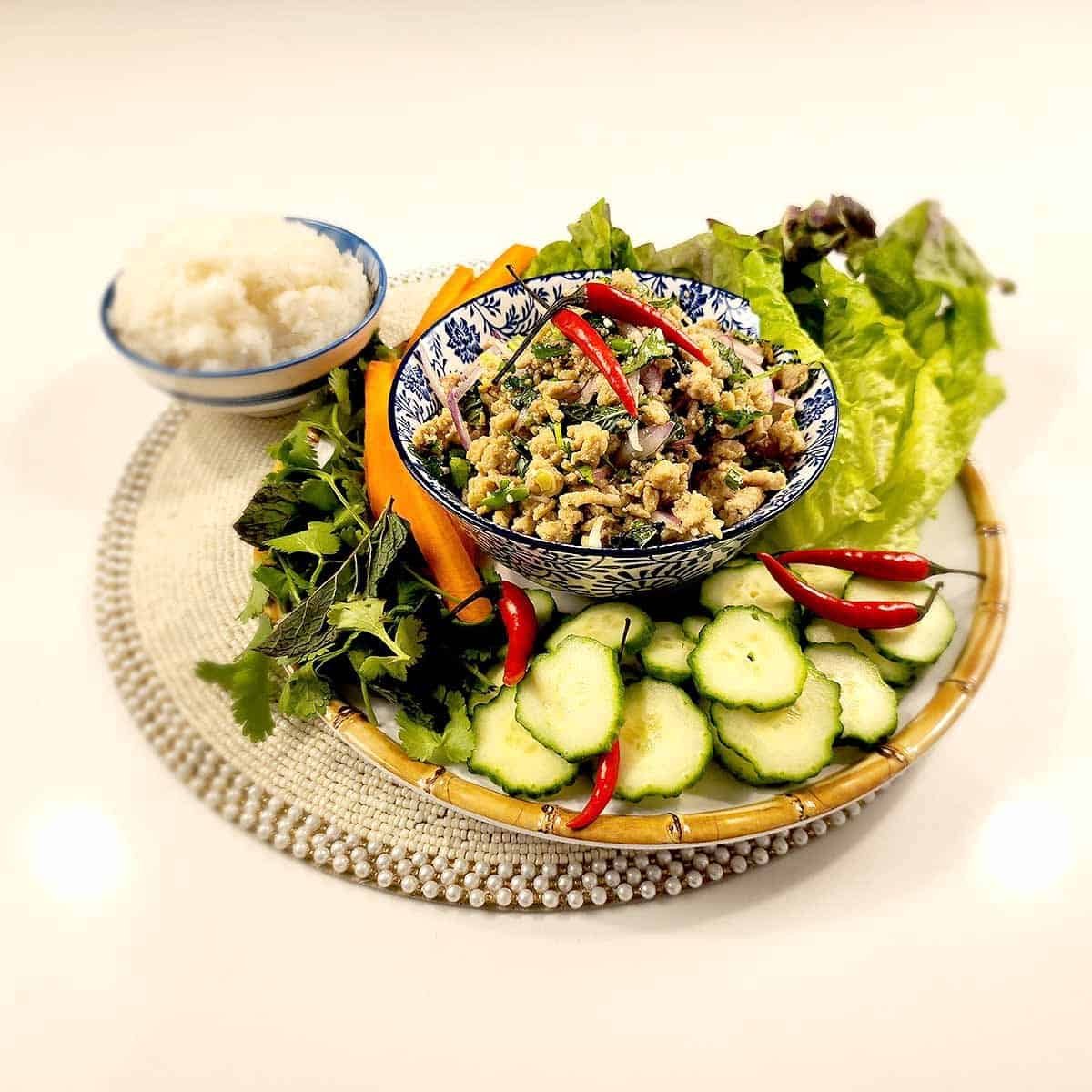
Lettuce leaves for serving. Fresh vegetables, cucumber and carrot, alongside. Sticky rice for serving.
Visual Walk Through

Step 1. Cook the chicken.
Heat a tablespoon of oil in a skillet over medium heat. Add the ground chicken, spreading it evenly. Cook the chicken, stirring occasionally, until it is fully cooked and no longer pink, about six to eight minutes. Break up any clumps with a spoon to ensure even cooking and a fine texture. The chicken should still look moist. Do not press it to dryness.
Step 2. Prepare the dressing.
Meanwhile, in a small bowl, combine fish sauce, lime juice, palm sugar or brown sugar, and roasted rice powder. Stir vigorously until the sugar is completely dissolved and the ingredients are well incorporated. Set the dressing aside. This is ready to pour the moment the chicken comes off the heat.


Step 3. Combine while the chicken is still warm. This is What Makes the Difference.
Transfer the cooked chicken to a large mixing bowl while it is still warm. Add the thinly sliced shallots, green onions, chopped cilantro, fresh mint leaves, and finely chopped Thai chilies. Pour the prepared dressing over the chicken and herb mixture. Use salad tongs or two large spoons to toss everything together gently. Ensure the dressing evenly coats all the ingredients.
Step 4. Taste and adjust. Plate.
Taste and adjust the seasoning. If it tastes flat, it needs more lime. If it tastes sharp without depth, it needs more fish sauce. Arrange crisp lettuce leaves on a serving platter. Garnish with additional fresh herbs or a sprinkle of roasted rice powder. Serve with sticky rice and fresh vegetables alongside.


My Authentic Chicken Larb Recipe (Larb Gai)
Ingredients
- 1 lb ground chicken
- 2 tbsp fish sauce
- 2 tbsp lime juice
- 1 tbsp palm sugar or brown sugar
- 2 tbs roasted rice powder
- 2 shallots thinly sliced
- 2-3 green onions thinly sliced
- 1/4 cup fresh cilantro chopped
- 1/4 cup fresh mint leaves chopped
- 1-2 fresh Thai chilies finely chopped (adjust to taste)
- Lettuce leaves
- Fresh vegetables cucumber, carrot, etc. for serving
- Sticky rice for serving
Instructions
- Cook Chicken:Heat a tablespoon of oil in a skillet over medium heat. Add the ground chicken, spreading it evenly. Cook the chicken, stirring occasionally, until it is fully cooked and no longer pink, for about 6-8 minutes. Break up clumps with a spoon to ensure even cooking and a fine texture.
- Prepare Dressing:Meanwhile, in a small bowl, combine fish sauce, lime juice, palm sugar (or brown sugar), and roasted rice powder. Stir vigorously until the sugar is completely dissolved and the ingredients are well incorporated. Set the dressing aside.
- Combine Ingredients:Transfer the cooked chicken, while still warm to a large mixing bowl. Add thinly sliced shallots, green onions, chopped cilantro, fresh mint leaves, and finely chopped Thai chilies.
- Toss Salad:Pour the prepared dressing over the chicken and herb mixture. Use salad tongs or two large spoons to toss everything together gently. Ensure the dressing evenly coats all the ingredients.
- Serve:Arrange crisp lettuce leaves on a serving platter or individual plates. Serve with sticky rice, and fresh vegetables.
Video
Notes
Nutrition
LET’S GET THIS RIGHT
Why does my chicken larb taste flat?
The lime juice was bottled, or the chicken was cold when it was dressed, or there was not enough fish sauce. Start by tasting the dressing before it goes on the chicken. Fish sauce and fresh lime juice in roughly equal proportion, balanced against each other. If it tastes flat, it needs more lime. If it tastes sharp without depth, it needs more fish sauce. The toasted rice powder also carries flavor. If it was skipped or underdone, the dish will taste thin.
Can I use chicken breast instead of thighs for this chicken larb recipe?
You can, but thighs are the better choice. Breast meat has less fat and will dry out more easily at the brief cooking time Larb requires. If you use breast meat, pull it off the heat the moment the pink disappears. Do not let it cook past that point. Ground thigh meat stays tender and takes the dressing more evenly.
What if I cannot find toasted rice powder at the store?
Make it. It takes ten minutes and a dry pan. One teaspoon of raw jasmine rice, stirred constantly over medium heat until golden and nutty-smelling. Then ground in a mortar to a coarse powder. There is no reliable store-bought substitute that does what fresh-toasted khao khua does. It is worth the ten minutes.
How spicy should chicken larb be?
In Isan tradition, Larb is genuinely hot. The dried chili flakes are not decorative. But the heat level is yours. Start with one fresh Thai chili for a moderate heat, two for something that builds. My mother made it with enough that you felt it on the second bite. Taste as you go. You can always add more. You cannot take it back.
Do I serve chicken larb hot or cold?
Warm, and served immediately. Not hot from the pan, not chilled. The herbs wilt if it sits too long, and the rice powder softens. Larb is a dish that wants to be eaten the moment it is dressed. Have everything ready and dress it at the last possible moment before it goes to the table.
Flavor Profile
The rice powder goes into the dry pan first, and the smell of it toasting fills the kitchen before anything else has started. Nutty. Slightly smoky. The smell of something being prepared slowly inside something that will otherwise move fast.
Then the chicken hits the skillet and the heat is immediate. A sharp, clean sizzle, the smell shifting to savory and rich. It cooks in minutes. The lime goes in while the meat is still warm and the whole thing changes register: bright and acidic and suddenly light against the weight of the fish sauce underneath it.
The mint arrives last and it is the loudest thing on the plate. Green and cool against the warm chicken, sharp against the lime, clean against the chili heat that has been building quietly since the first bite. The toasted rice powder settles through it all, a texture more than a taste, a slight crunch that holds the dish together between mouthfuls.
It is a fast dish that tastes like it took time. The balance between the lime and the fish sauce, the heat of the chili and the coolness of the mint. Nothing is decorative. Every element is doing something.
I would smell it before I got through the door. The lime, the fish sauce, the toasted rice coming through the screen. My mother was already in the kitchen. The smell said so.
Susie’s Kitchen Notes
My mother made this with ground chicken she minced herself, boneless thighs, chopped on the board with her cleaver until they reached the right texture. Coarser than store-ground chicken. The texture matters in Larb because the dressing needs something to hold onto. Very fine ground meat becomes almost paste-like when dressed. A slightly coarser mince gives the lime and fish sauce places to sit. If you are buying pre-ground chicken and it looks very fine, chop through it once or twice more on the board before it goes into the pan.
The shallots go in raw. This is important. They are not cooked. They are sliced thin and tossed directly into the warm dressed chicken. They soften slightly from the warmth and the lime juice, but they keep a sharpness that a cooked shallot does not have. That sharpness is part of what makes Larb taste like Larb. Do not sauté them first.
The mortar is the right tool for grinding the toasted rice. A blender or spice grinder will take it too fine, dust rather than powder. You want a texture you can feel between your fingers. The mortar gives you control over that. Grind in short pulses, stopping to check the texture. When it feels like coarse sand, stop.
The lime and fish sauce are the dressing and the dressing is the dish. Taste it before it goes on the chicken. It should be bright and slightly aggressive on its own. The chicken will absorb some of that sharpness. What feels like too much in the bowl becomes balanced on the plate. Start there and adjust at the end.
PAIRING SUGGESTIONS
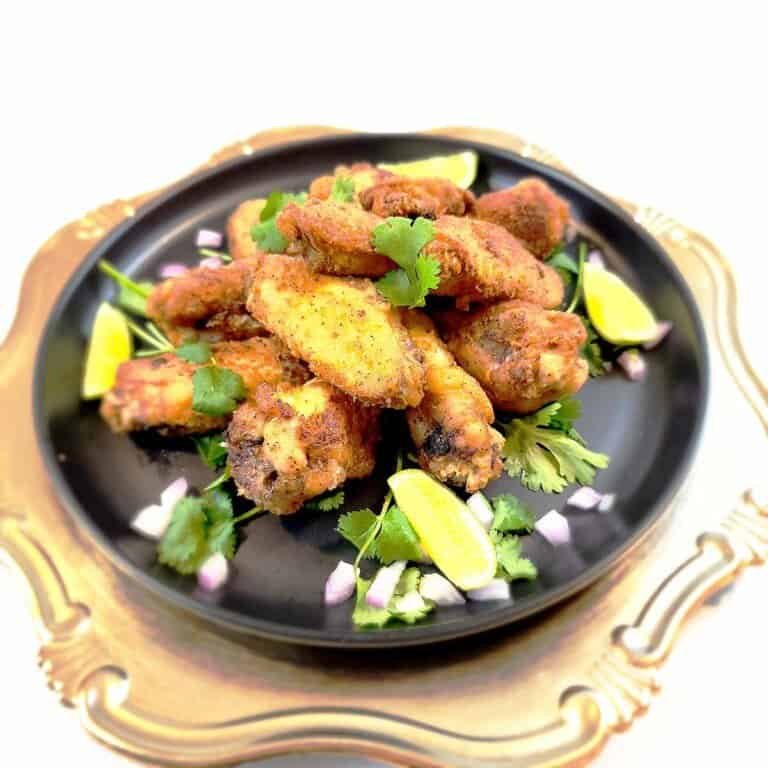
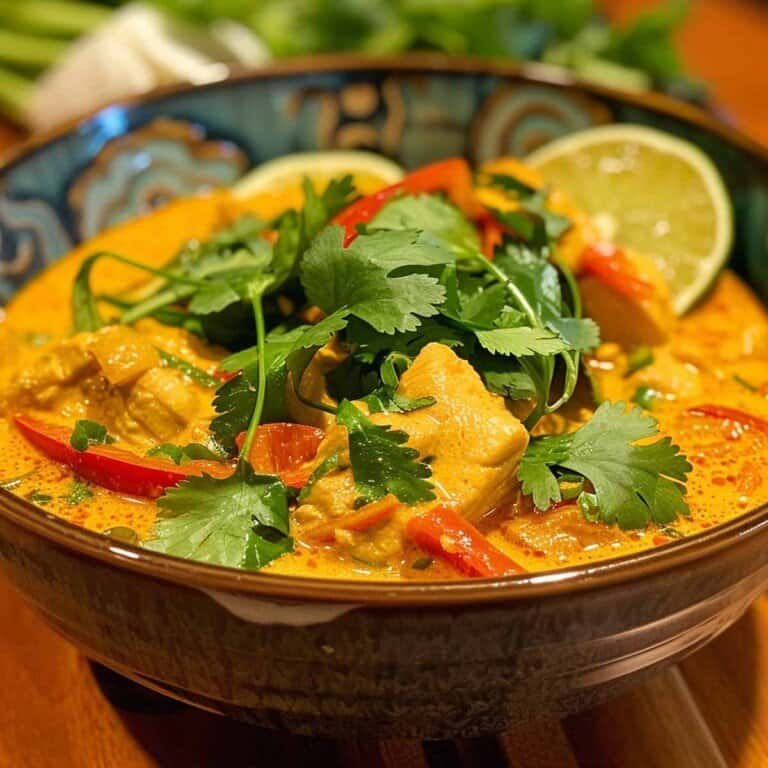
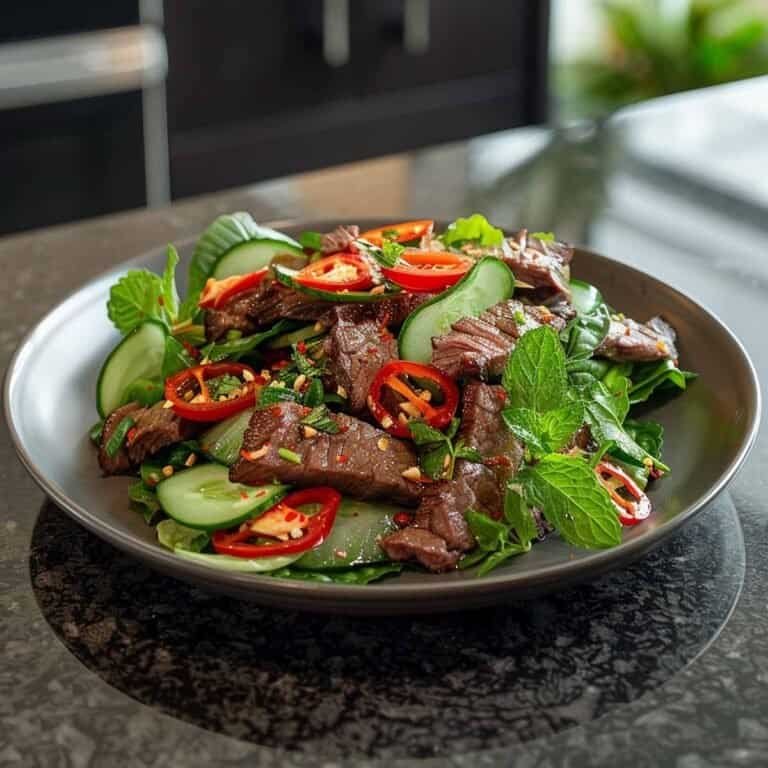
Sticky rice is not a suggestion alongside a chicken larb recipe. It is the other half of the meal. The rice is how you eat the Larb, pulled into a small ball in the fingers, pressed slightly flat, used to scoop. The Tom Kha Gai brings a coconut warmth that sits gently against the brightness and heat of the Larb, the two together making a complete table without either one competing for attention. The Thai BBQ chicken belongs at the same meal, smoky and charred against the clean acidity of the Larb, both of them Isan in spirit, both of them built for eating together around the same table. The Thai beef salad is the closest companion on this site, both of them lime-and-fish-sauce dressed, both of them warm, both of them best eaten the moment they are finished. And for the drink alongside something this bright and herb-forward, the Thai iced tea is cold and sweet and always the right answer. That table. That smell finding me at the door. Make this one on a birthday.
FAQ
What is chicken larb (Larb Gai)?
Chicken larb, Larb Gai (ลาบไก่), is a Thai minced chicken salad from the Isan region of northeastern Thailand. Ground chicken is cooked briefly over medium heat, then dressed while still warm with fish sauce, fresh lime juice, palm sugar, roasted rice powder, shallots, green onions, and fresh mint and cilantro. It is served at room temperature with sticky rice. The toasted rice powder is what distinguishes a proper chicken larb recipe from any approximation of it.
What is toasted rice powder and do I need it for chicken larb?
Toasted rice powder, khao khua, is raw jasmine rice dry-toasted in a pan until golden, then ground in a mortar to a coarse powder. It adds a nutty, roasted texture to Larb that is structural to the dish. You need it. There is no substitute that does what fresh-toasted khao khua does. It takes ten minutes to make from raw rice and it is worth every one of them.
How do you make chicken larb step by step?
Cook ground chicken in a skillet over medium heat until fully cooked and no longer pink, about six to eight minutes, breaking up clumps for an even fine texture. Meanwhile, combine fish sauce, lime juice, palm sugar, and roasted rice powder in a small bowl and stir until the sugar dissolves. Transfer the warm chicken to a large bowl, add shallots, green onions, cilantro, mint, and Thai chilies, then pour the dressing over and toss gently to combine. Serve immediately with lettuce leaves, sticky rice, and fresh vegetables.
Is chicken larb healthy?
Larb Gai is a lean, herb-forward dish. Ground chicken is the primary protein, dressed with lime juice and fish sauce rather than heavy sauces or oil. The fresh mint, cilantro, and shallots add significant herb content. It is not a fried dish and it is not a heavy one. The fish sauce contributes sodium, which is the primary nutritional consideration.
What is the difference between Thai larb and Laotian larb?
Thai Larb, particularly from the Isan region, and Laotian Larb share deep roots: Isan cuisine is closely tied to Lao culinary tradition, and the dish crosses both cultures. The Thai Isan version typically uses toasted rice powder and dried chili flakes. Laotian versions may use fresh galangal or lemongrass more prominently and sometimes incorporate raw meat in certain preparations. Both use lime, fish sauce, and fresh herbs as the base of the dressing.
Can I make chicken larb ahead of time?
You can prepare the components ahead, toast and grind the rice powder, slice the shallots, pick the herbs, but the final dish should be assembled and dressed just before serving. The rice powder softens as it sits. The herbs wilt. Larb is at its best the moment it is dressed, and it loses something with every hour it waits. If you must make it in advance, dress it no more than thirty minutes before it goes to the table and add the herbs at the last moment.
What do you serve with chicken larb?
Sticky rice is the traditional accompaniment, not jasmine rice, sticky rice. You use it to scoop the Larb rather than eating with a fork. Beyond that, fresh vegetables alongside are common: cucumber slices, cabbage leaves, long beans, carrot sticks. A clear soup on the table alongside Larb is traditional in Isan households. The dish is built for sharing. It goes in the center of the table and everyone eats from it together.