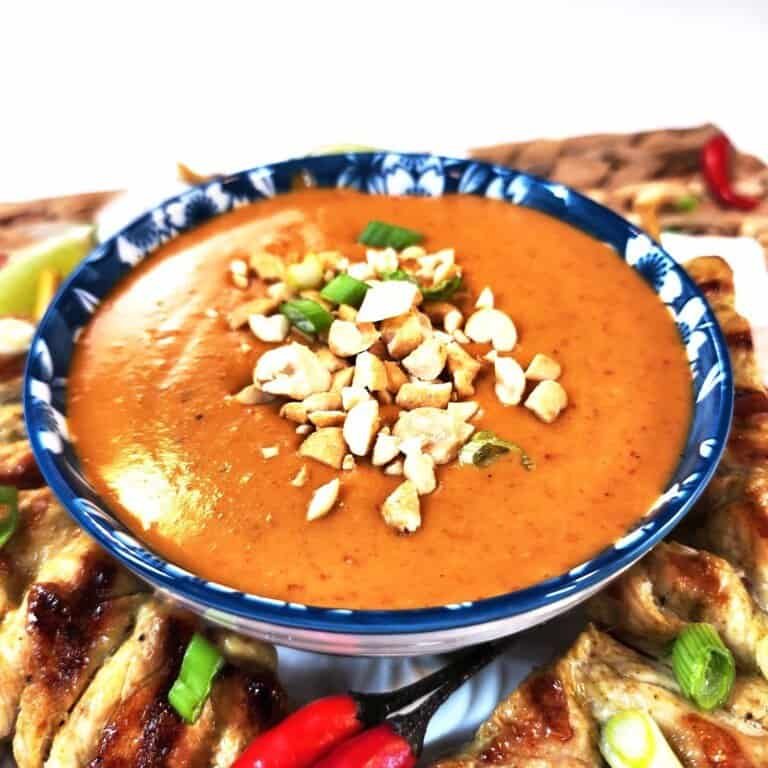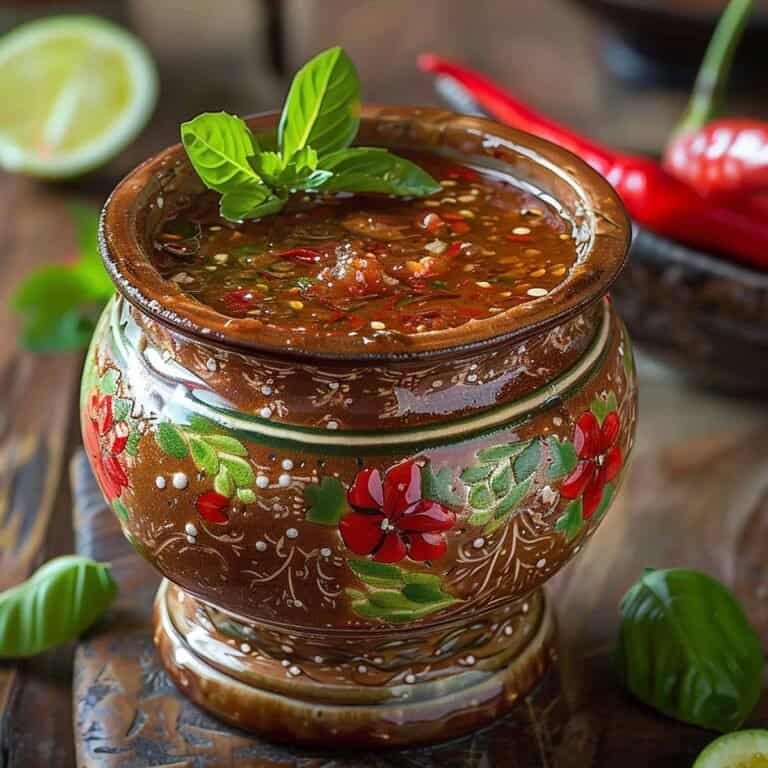
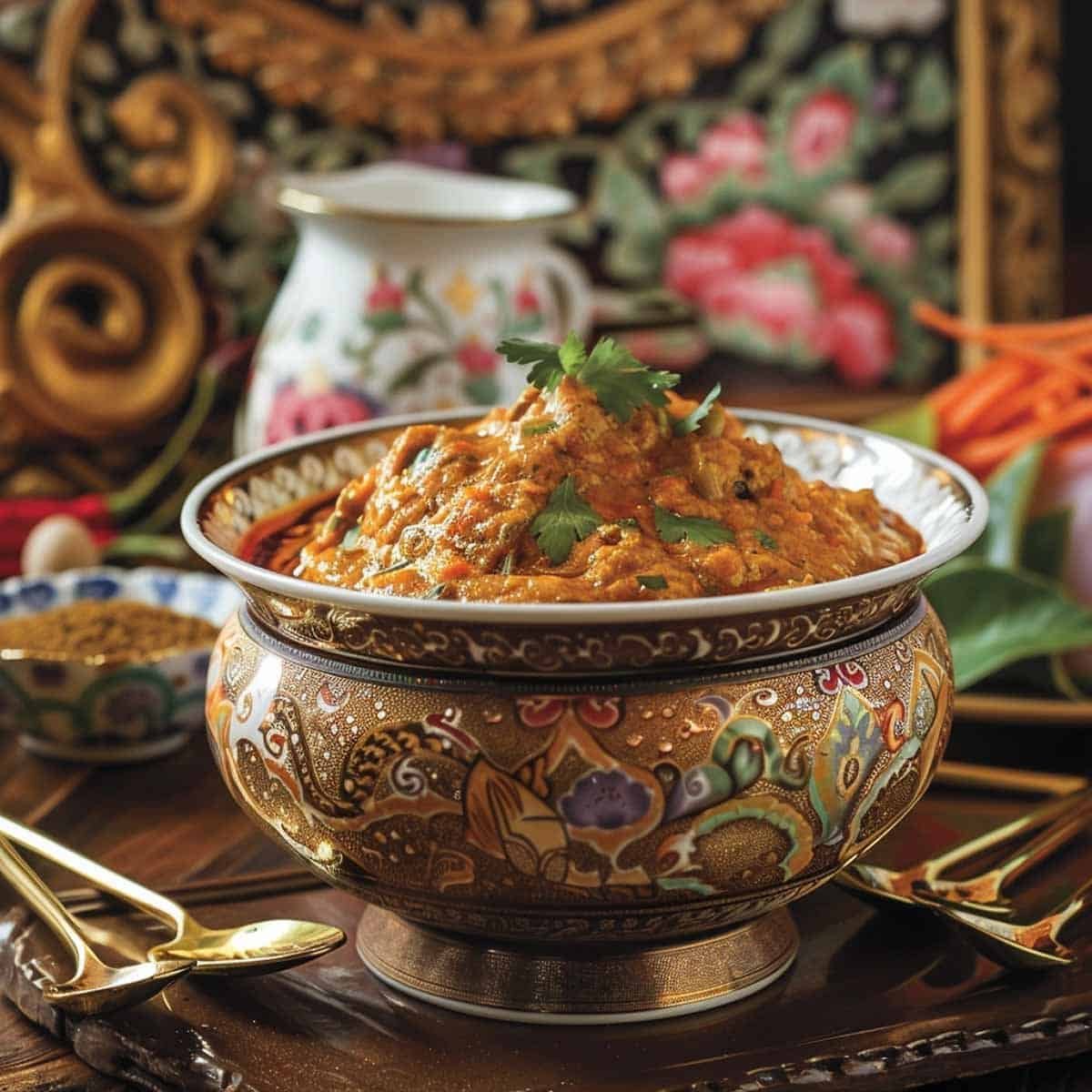
What Is Panang Curry Paste?
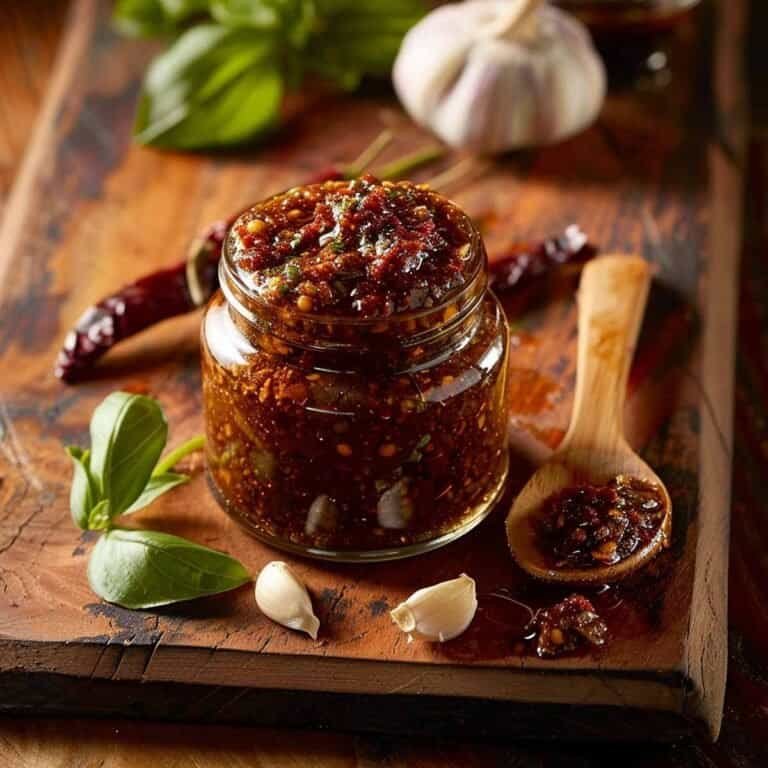
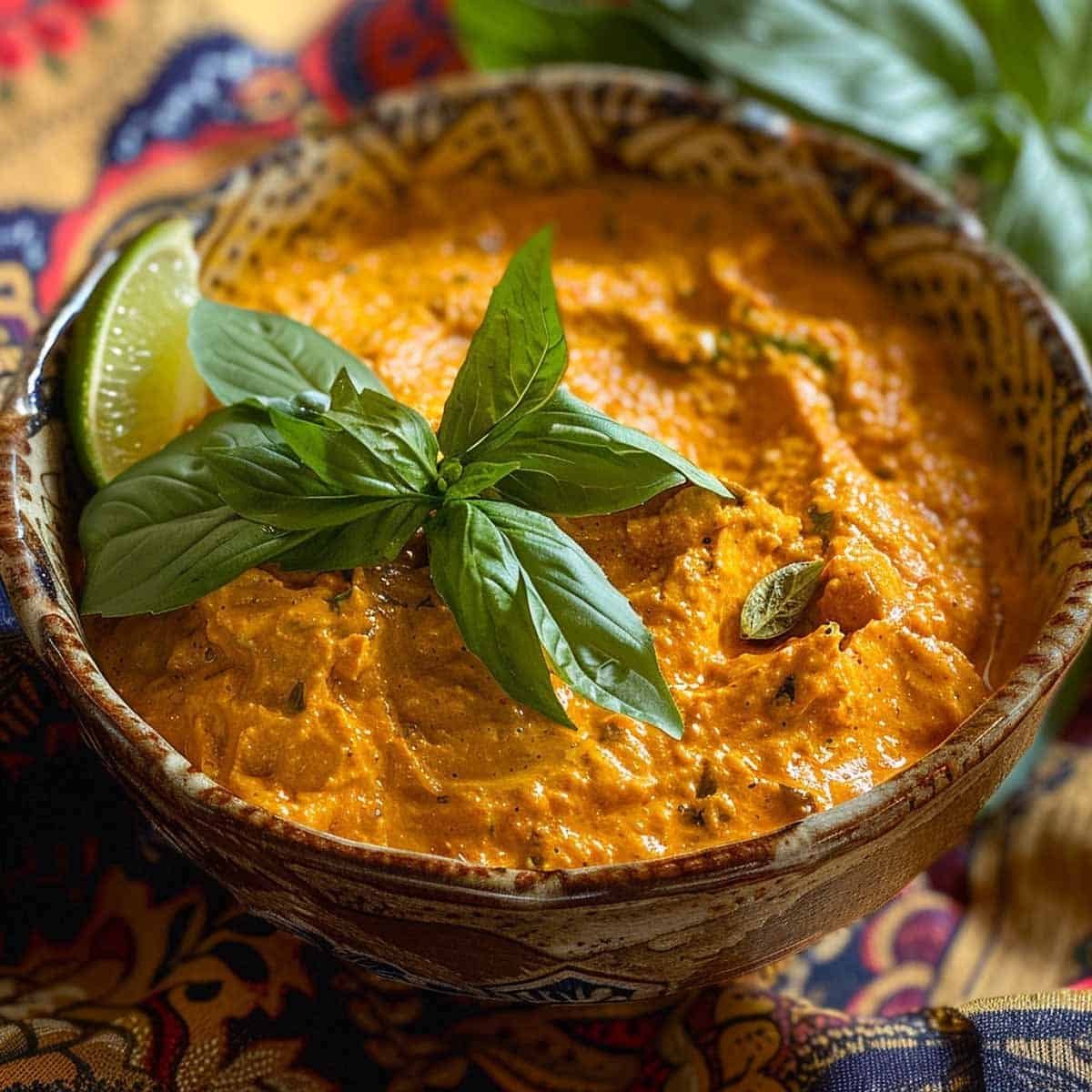
Panang curry paste is a Thai red curry paste made with dried chilies, lemongrass, galangal, kaffir lime, and roasted peanuts ground together into a dense, fragrant base. Richer and less fiery than standard red curry. Slower. Deeper. The paste is what makes Panang, Panang.
NOTE FROM SUSIE

Sawasdee Kha, and Hello.
My mother never bought curry paste. Not once. I didn’t understand that as a child. I understand it now.
There is a mortar in my kitchen that came across the ocean with her. The stone is worn in the middle, a small hollow made by decades of the same motion. Pound. Turn. Pound again. She would start in the morning, before anything else. The dried chilies first. Then the lemongrass. Then the galangal. The smell would build slowly, like something waking up.
She didn’t rush it. You cannot rush it. The paste has to become something, not just ingredients ground together, but a single thing that didn’t exist before. That takes time. It takes attention. It takes a mortar that has done this before.
The first time I made Panang curry paste from scratch in Florida, I called her. She didn’t give me measurements. She said: you will know when it smells right. Pound it until it smells right.
She was correct. I always am when I listen to her.

What’s In This Page
“Pound it until it smells right.”
— Her Hands His EyesWHAT IS PANANG CURRY PASTE?
Panang curry paste, พะแนง, is the aromatic base of one of Thailand’s most beloved curries. It belongs to the red curry family but it is its own thing entirely. Where red curry paste is sharp and fiery, Panang paste is rounder, richer, and more complex. The dried chilies are there but they sit beneath layers of lemongrass, galangal, kaffir lime zest, coriander root, and the ingredient that makes Panang distinct from every other Thai curry paste: roasted peanuts, ground directly into the paste itself.
The name Panang is thought to derive from Penang, the Malaysian island, which speaks to the southern Thai and Malay influences that shaped this curry. It traveled north and became something distinctly Thai, slower cooking, coconut-forward, thick enough to coat the back of a spoon.
Most people buy it in a tin. That is fine for a weeknight. But the from-scratch version, made with a mortar and pestle, dried chilies soaked overnight, lemongrass pounded until it disappears, is a different thing entirely. According to the Oxford Companion to Food, the layered spice pastes of Thai cooking represent some of the most complex and regionally specific preparations in Southeast Asian cuisine, with each paste reflecting both its ingredient tradition and the technique of the hands that made it.
The smell when you open the mortar. That is the whole point.
WHAT YOU’LL NEED
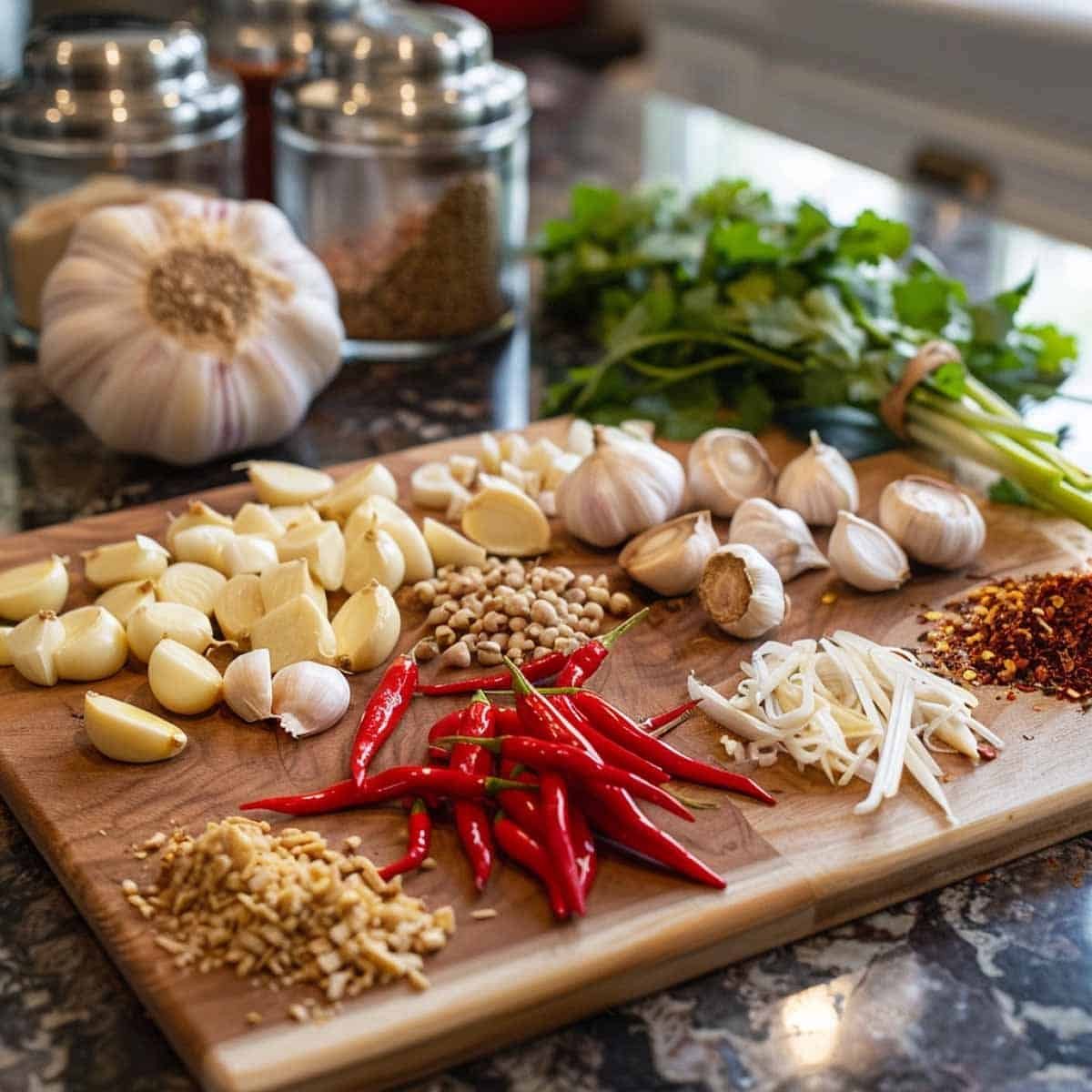
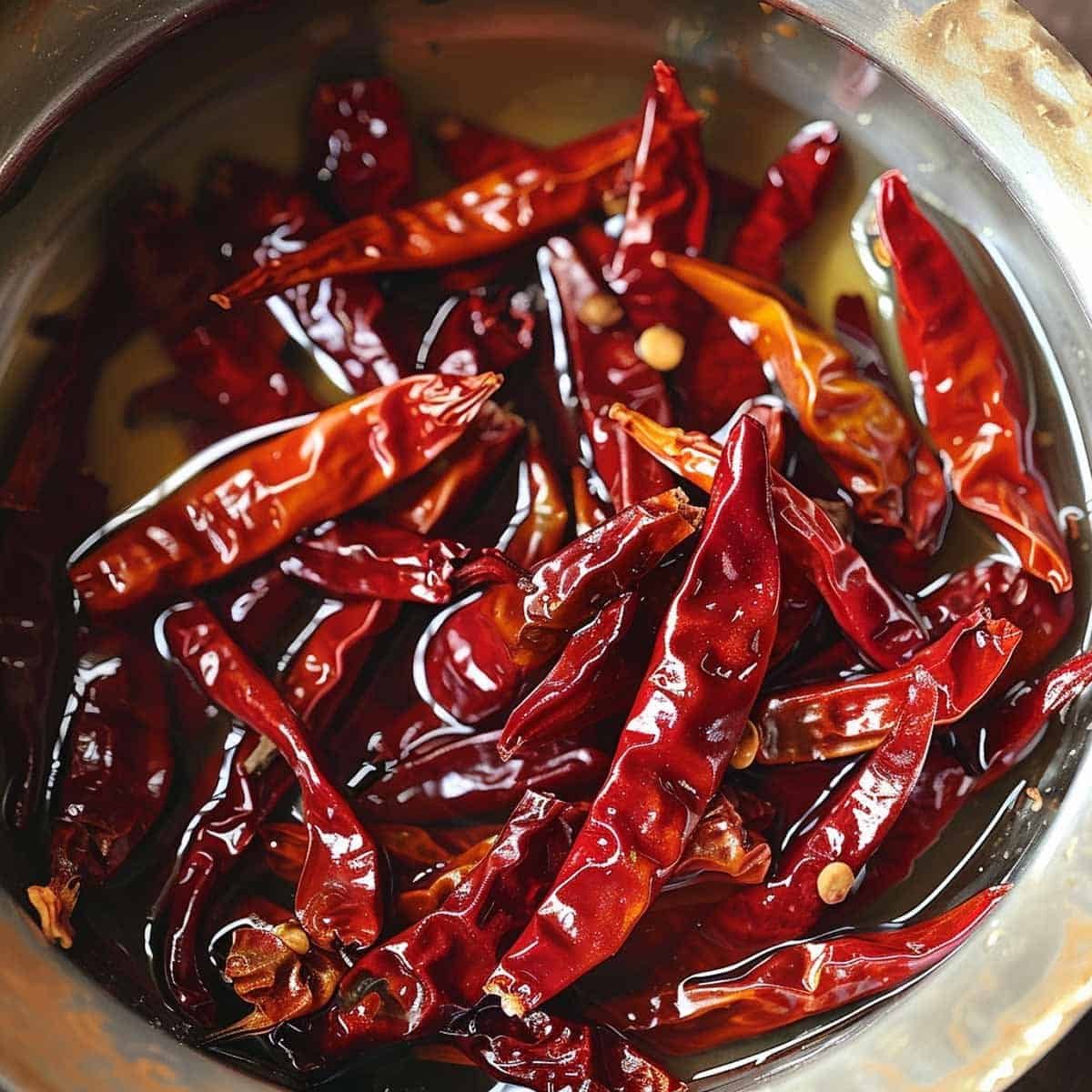
Dried red chilies, ten, soaked overnight in cold water and deseeded. Long dried chilies, not bird’s eye. You want heat with body. Soak overnight. They will soften and the color will deepen into something almost burgundy. Remove the seeds if you want less fire.
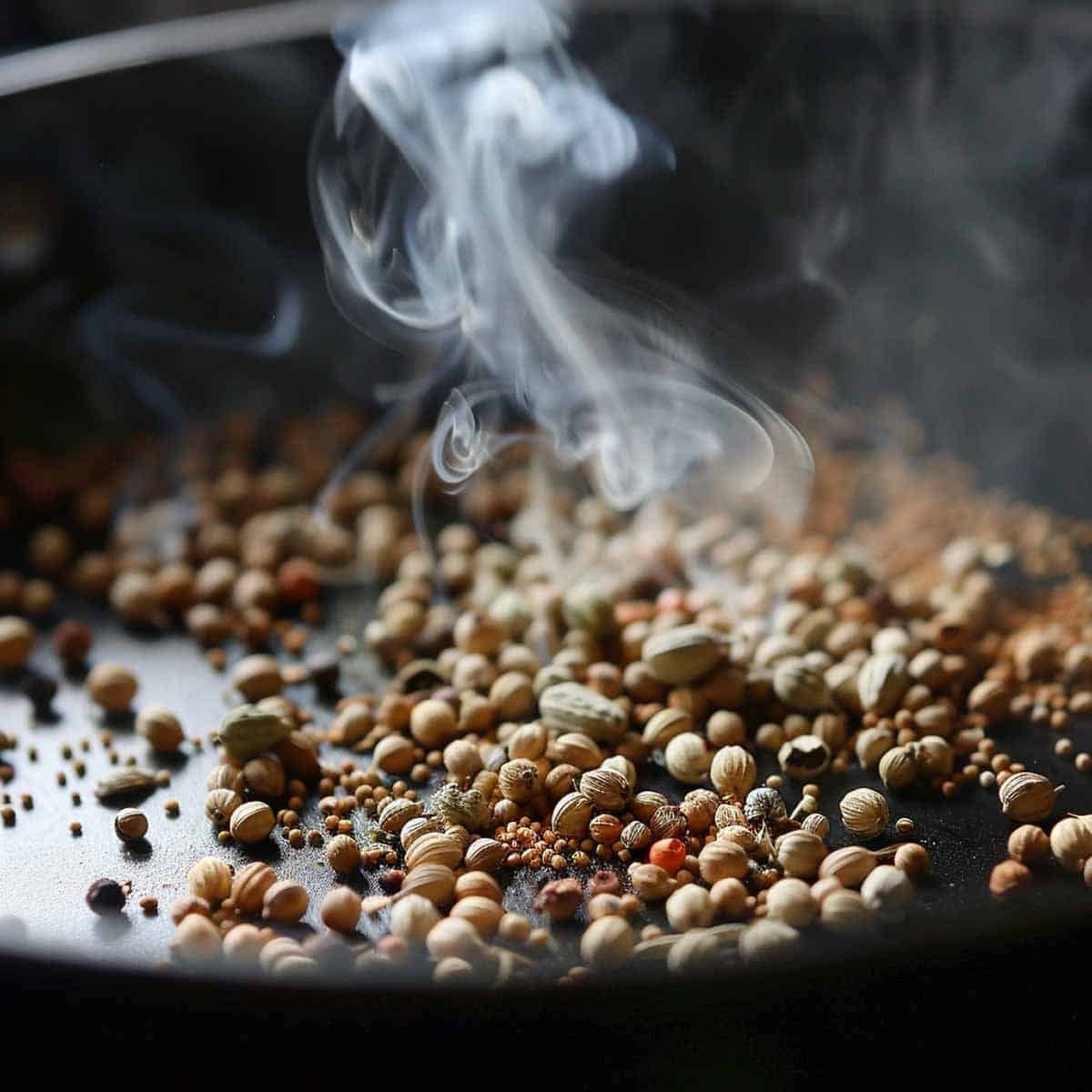
Coriander seeds, two tablespoons. Cumin seeds, one tablespoon. White peppercorns, one teaspoon. Toast these dry before grinding. They go from toasted to burnt faster than you expect. Watch them.
Salt, one teaspoon.
Garlic, five cloves, peeled. Shallots, five, peeled. Lemongrass, two stalks, finely chopped, the lower third only. Galangal, one-inch piece, peeled and sliced thin. This is not ginger. Do not substitute ginger.
Kaffir lime zest, one teaspoon, just the zest scraped fine. Not the juice. A little goes far.
Roasted peanuts, three tablespoons, ground. This is what separates Panang paste from red curry paste. Use unsalted. They go in with the shrimp paste toward the end and give the paste its characteristic richness and body.
Shrimp paste, one teaspoon. Wrap in foil and toast in a dry pan for two minutes before adding. Do not skip this step.
VISUAL WALK THROUGH
Step 1. Toast the spices.
Begin by toasting the coriander seeds, cumin seeds, and white peppercorns in a dry skillet over medium heat. Stir constantly for about three to four minutes until they release a rich, aromatic fragrance. Transfer the toasted spices to a mortar and pestle and grind them into a fine powder.
Step 2. Prepare the chilies.
Soak the dried red chilies in warm water for approximately fifteen minutes until they soften. Drain and deseed the chilies. Combine the chilies with salt in a mortar and pestle and pound them into a smooth paste that forms the base of your curry.
Step 3. Slice, zest, and chop everything before the mortar.
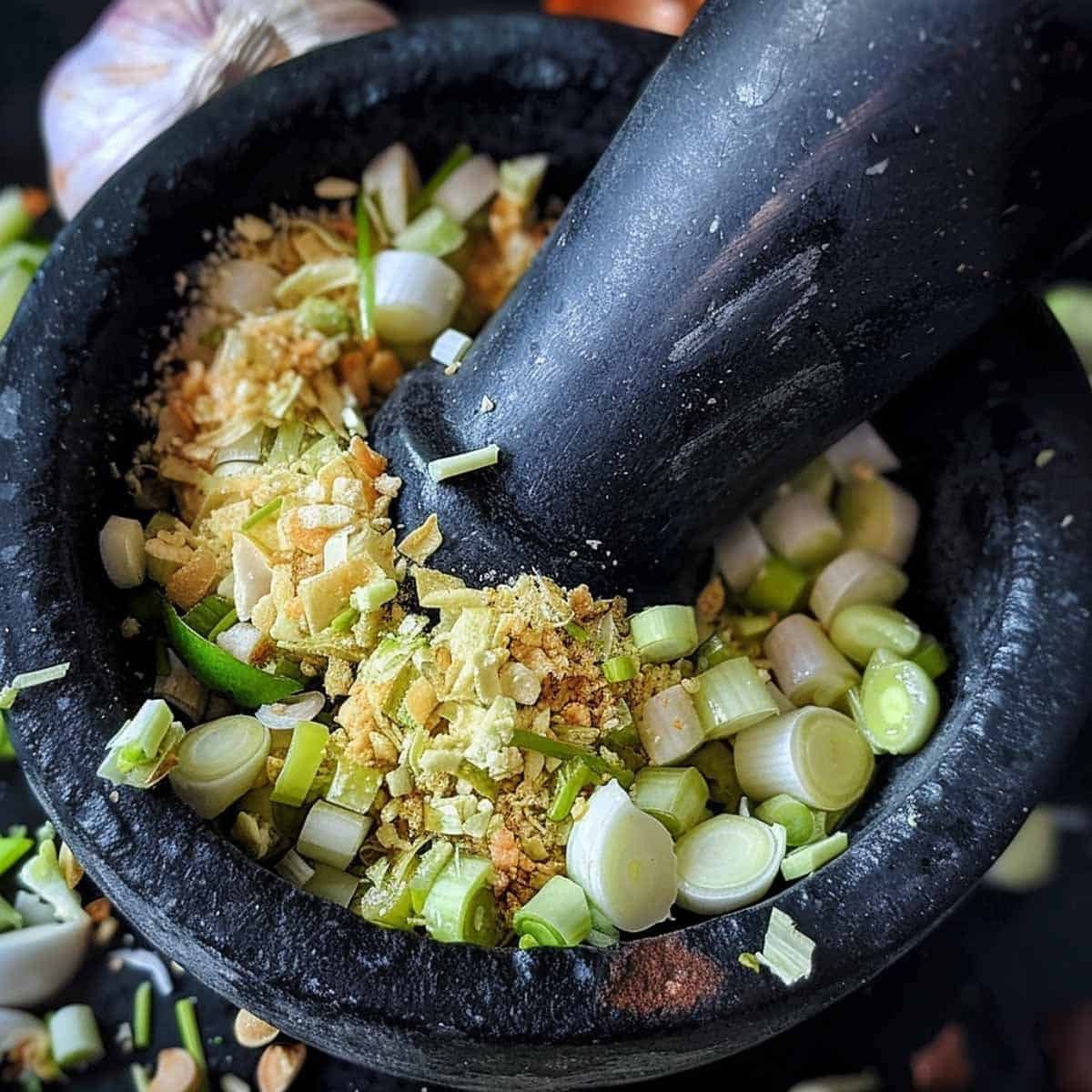
Slice the lemongrass thin. Peel and slice the galangal. Zest the kaffir lime. Slice the shallots and garlic. Everything goes into the mortar in stages, working from hardest to softest. The finer you cut before pounding, the smoother the paste.
★Step 4: Pound in Stages
This is What Makes the Difference.
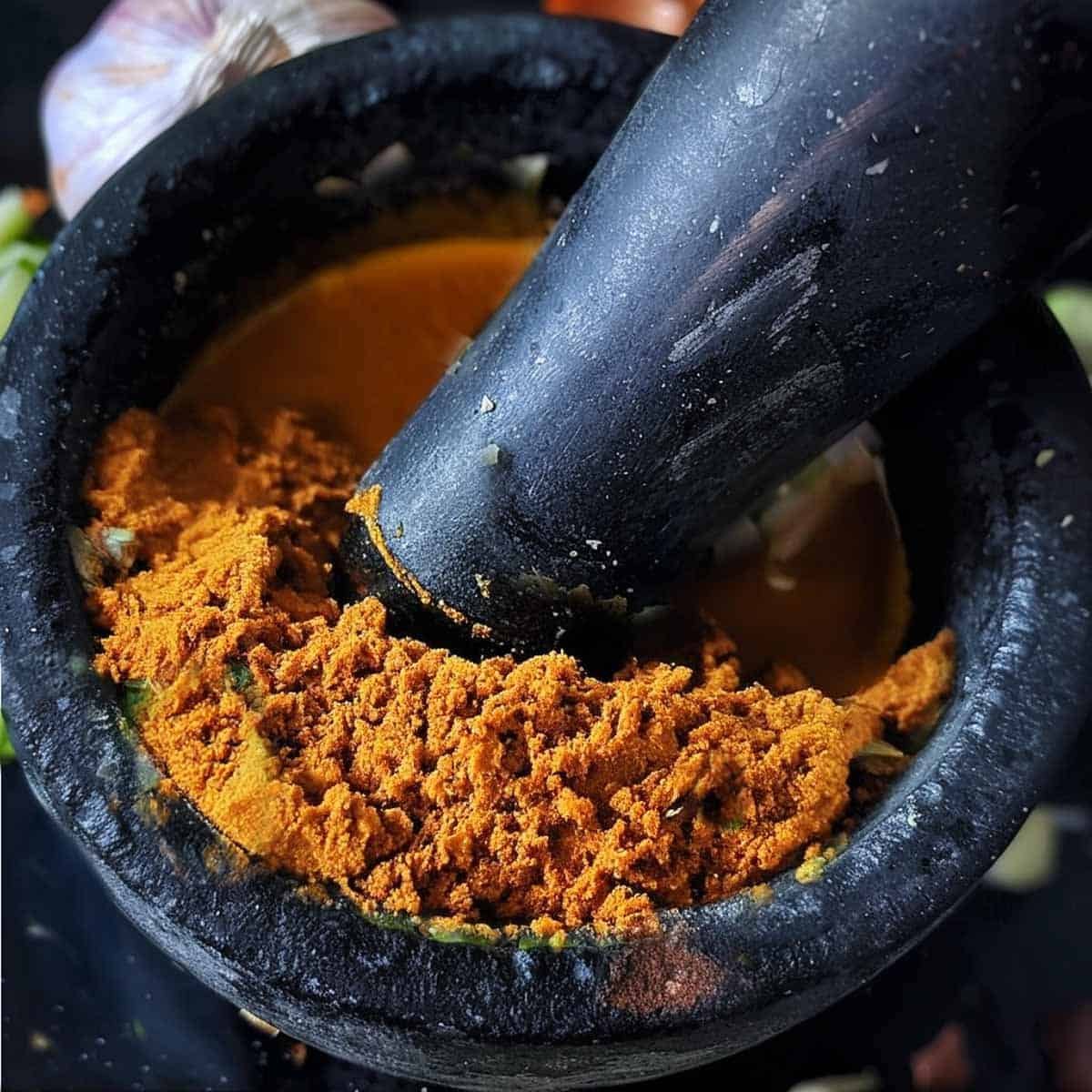
Add garlic, shallots, lemongrass, galangal, and kaffir lime zest to the chili paste in the mortar. With patient pounding, blend these aromatic ingredients together until they meld into a harmonious, fragrant mixture. Integrate the shrimp paste and ground roasted peanuts into the aromatic mixture, ensuring both distribute evenly. Continue pounding until the paste achieves a smooth, consistent texture. Work from hardest ingredients to softest. Each ingredient must be fully incorporated before the next goes in. This is twenty to thirty minutes of work by hand. The paste should be smooth with no visible fibrous strands.
Step 5. Final blend and store.
Transfer the paste to a blender or food processor for a finer texture, blending until completely smooth. If needed, add a small amount of water to facilitate blending. Place the finished Panang curry paste into an airtight container. Store in the refrigerator for up to one week, or freeze for up to three months. Portion into tablespoon-sized amounts in an ice cube tray for easy use.
Panang Curry Paste
Ingredients
- 2 tablespoons coriander seeds
- 1 tablespoon cumin seeds
- 1 teaspoon white peppercorns
- 10 dried red chilies soaked and deseeded
- 3 tablespoon peanuts roasted and ground
- 1 teaspoon salt
- 5 cloves garlic peeled
- 5 shallots peeled
- 2 stalks lemongrass finely chopped
- 1- inch piece galangal peeled and sliced
- 1 teaspoon kaffir lime zest
- 1 teaspoon shrimp paste
Instructions
- Toast the Spices:Begin by toasting the coriander seeds, cumin seeds, and white peppercorns in a dry skillet over medium heat. Stir constantly for about 3-4 minutes until they release a rich, aromatic fragrance. Transfer the toasted spices to a mortar and pestle and grind them into a fine powder.
- Prepare the Chilies:Soak the dried red chilies in warm water for approximately 15 minutes until they soften. Once softened, drain and deseed the chilies. Combine the chilies with salt in a mortar and pestle, pounding them into a smooth, fiery paste that forms the base of your curry.
- Blend the Aromatics:Add garlic, shallots, lemongrass, galangal, and kaffir lime zest to the chili paste in the mortar.
- Incorporate Shrimp Paste:Integrate peanuts, then shrimp paste into the aromatic mixture, ensuring it distributes evenly. Continue pounding until the paste achieves a smooth consistency.
- Final Blend:Transfer the paste to a blender or food processor for a finer texture, blending until completely smooth. If needed, add a small amount of water to facilitate blending.
- Store the Paste:Place the finished Panang Curry Paste into an airtight container. Store it in the refrigerator for up to one week or freeze it for longer storage, up to three months.
Notes
Nutrition
LET’S GET THIS RIGHT
Can I use a food processor instead of a mortar and pestle?
Yes, but it is a different paste. The food processor chops where the mortar pounds, and the result is wetter and slightly less fragrant. If you use one, add ingredients in the same order, hardest first, and pulse rather than run it continuously. The paste will work. It just will not be the same thing.
Why is my paste grainy and not smooth?
The chilies were not soaked long enough, or the lemongrass was not sliced thin enough before pounding. Both need to be broken down before they will yield to the mortar. Soak overnight. Slice everything as thin as you can. Pound each ingredient until it is fully incorporated before adding the next.
Can I substitute ginger for galangal?
No. They are related but they are not the same. Ginger is warmer and more familiar. Galangal is sharper, more piney, more medicinal. It is the flavor that makes this taste specifically Thai rather than generically Asian. Find it. Most Asian grocery stores carry it fresh.
How long does homemade Panang curry paste keep?
Two weeks in the refrigerator in a sealed jar with a thin layer of oil over the surface. Up to three months in the freezer portioned into tablespoon amounts. It does not need to thaw before use. It goes straight from frozen into the pan.
My paste smells sharp and almost overwhelming. Is that right?
Yes. Raw curry paste is intense. It is built to be diluted into coconut milk and cooked. What smells sharp in the jar becomes rounded and deep in the pan. Trust the process.
FLAVOR PROFILE
The smell comes first. Before you taste it, before you even open the pan, the paste announces itself. Lemongrass bright and citrusy at the top. Galangal underneath, medicinal, resinous, ancient. The dried chilies a low, dark heat that builds slowly rather than arriving all at once.
Then the peanuts. Not sweet. Dry and roasted and earthy, giving the paste a weight that red curry paste doesn’t have. They round the edges of everything sharp.
The shrimp paste is invisible in the finished thing but you would know immediately if it wasn’t there. It is the salt that goes deeper than salt. The umami that connects everything.
Panang curry paste doesn’t hit hard. It builds. Layer by layer, each ingredient arriving after the last, until the whole thing is present and you understand why your mother spent a morning making it.
Some things cannot be rushed. This is one of them.
SUSIE’S KITCHEN NOTES
Work in order. Hardest ingredients first, softest last. Lemongrass and galangal before the chilies. Chilies before the shallots and garlic. Shallots and garlic before the peanuts. Each ingredient needs to be broken down fully before the next goes in. If you add soft ingredients on top of hard ones that haven’t yielded yet, nothing grinds properly and the paste stays coarse.
The kaffir lime zest is easy to over-add. It is powerful. A little gives the paste lift and brightness. Too much and it dominates. Zest one lime and use half first. Taste. Add the rest only if you feel it needs more.
My mother toasted the shrimp paste wrapped in a banana leaf over the flame. In Florida I wrap it in foil and put it directly on the gas burner for two minutes per side. Both methods drive off the raw fermented smell and leave something deeper and more complex. Do not skip this step. Raw shrimp paste in curry paste is a different and lesser thing.
If your mortar is small, make the paste in two batches and combine them at the end. Overcrowding the mortar means nothing grinds efficiently. Give each ingredient room. The work goes faster than you think when the mortar is not fighting you.
PAIRING SUGGESTIONS
Panang curry paste exists for one primary purpose, Panang Curry with Beef or Chicken, that dish deserves your full attention the first time you use a fresh batch. Beyond the classic curry, this paste works as a base for Thai Peanut Sauce, stirred into coconut milk with a little palm sugar for a dipping sauce that goes with everything. A small spoonful cooked in oil before adding vegetables transforms a simple stir fry into something that has no business being that good. If you want to understand how this paste sits within the wider family of Thai curry pastes, start with Red Curry Paste and Massaman Curry Paste, three pastes, three different directions, all from the same tradition.
FAQ
What is Panang curry paste made of?
Panang curry paste is made from dried red chilies, lemongrass, galangal, kaffir lime zest, shallots, garlic, white peppercorns, coriander seeds, cumin seeds, roasted peanuts, shrimp paste, and salt. The roasted peanuts are what separate it from standard red curry paste and give it its characteristic richness and body.
What is the difference between Panang curry paste and red curry paste?
Panang curry paste is generally milder, richer, and more complex than red curry paste. It contains roasted peanuts ground directly into the paste, which red curry paste does not. The flavor is deeper and less fiery. The resulting curry is thicker and more coconut-forward.
Can I substitute store-bought Panang curry paste for homemade?
Yes. Mae Ploy and Maesri are the most reliable brands. The from-scratch version has more depth and fragrance, but a good tin paste makes an excellent weeknight curry. Use about two tablespoons of store-bought paste where the recipe calls for three of homemade as commercial pastes tend to be more concentrated.
How long does homemade Panang curry paste last?
Two weeks in the refrigerator in a sealed jar with a thin layer of oil pressed over the surface. Up to three months in the freezer portioned into tablespoon amounts. It goes directly from frozen into the pan with no thawing needed.
Do I need a mortar and pestle to make Panang curry paste?
No, but the result is better with one. A food processor works but produces a wetter, slightly coarser paste. The mortar builds heat through friction as you work, releasing the oils differently and producing a smoother, more fragrant paste. If you use a processor, pulse rather than run it continuously.
Is Panang curry paste spicy?
Less spicy than red curry paste. The dried chilies are there but the coconut milk in the finished curry rounds the heat considerably. You can reduce the heat further by removing the seeds from the dried chilies before soaking. The heat builds slowly rather than hitting immediately.
Can I make Panang curry paste without shrimp paste?
You can but the depth changes. Shrimp paste provides an umami base that connects everything else. For a vegetarian version, substitute a teaspoon of white miso paste or simply omit it and add a little more salt. The paste will still work. It will just be missing one layer.