What Are Thai Fried Spring Rolls?
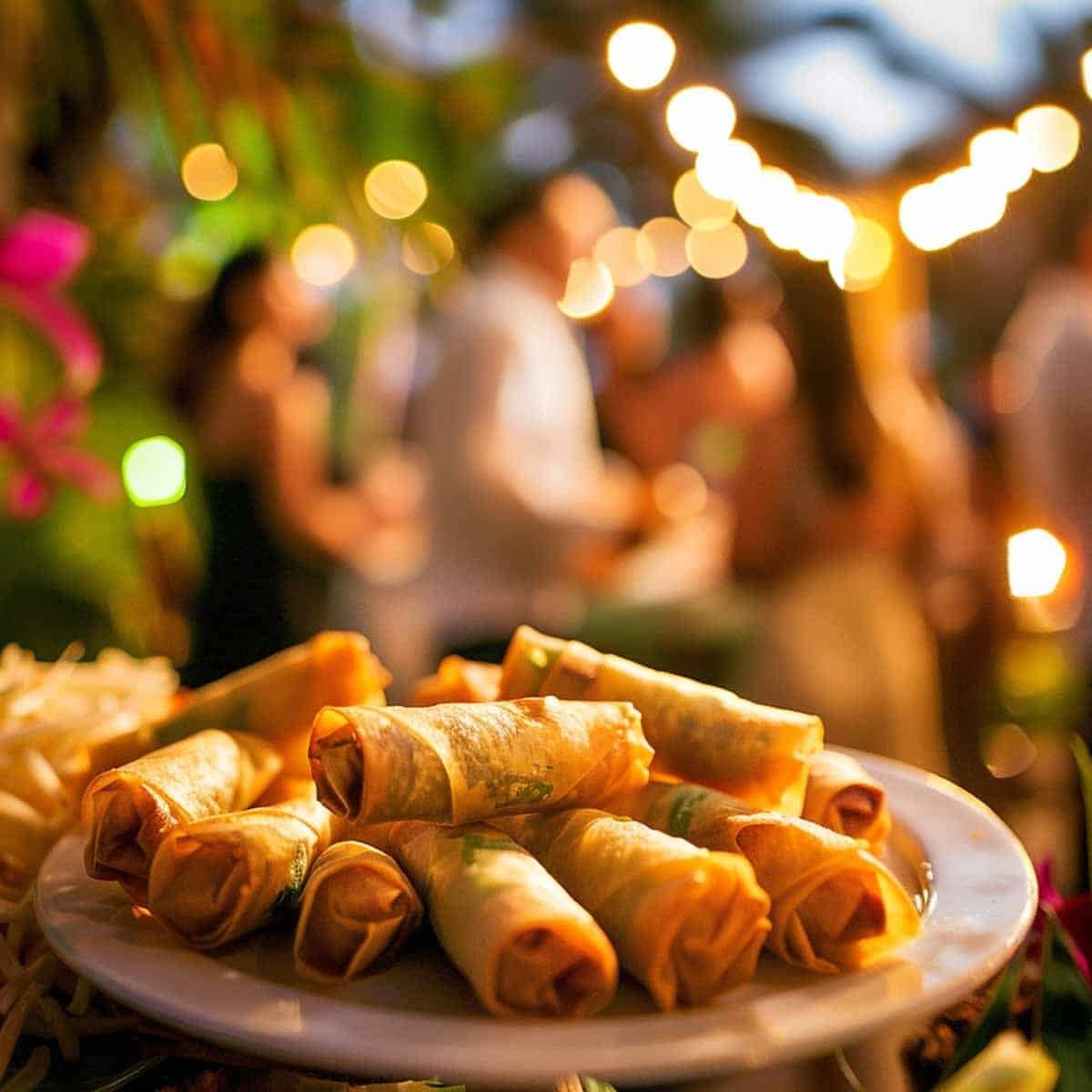
Thai fried spring rolls, Por Pia Tod (ปอเปี๊ยะทอด), are crispy rice paper rolls filled with glass noodles, seasoned shrimp, and vegetables, then fried until golden and shattered. They are sold at every market in Thailand, eaten hot from the oil, and served with sweet chili dipping sauce. My mother made these on Sundays. These are her rolls. I have changed nothing.
Note From Susie

Sawasdee Kha, and Hello.
My mother made these on Sundays. Not for a reason. Just because Sundays felt like that kind of day. She would spread the wrappers on the table in the back room, the one with the fan that never quite worked. My cousin and I would sit across from her and watch. We weren’t allowed to help. Not yet.
She rolled tight. The way you’d wrap something you were afraid of losing. She pressed the edge down with her finger and held it there for a moment longer than she needed to.
I didn’t understand that then. I do now.
When they hit the oil, the sound filled the whole house. That’s the part I remember most. Not the eating. The sound. That first loud crack.
My father used to say you could hear a good cook from the street. He meant her. He always meant her.
These are her rolls. I’ve changed nothing.

What’s In This Page
“She rolled tight. The way you’d wrap something you were afraid of losing.”
— Her Hands His EyesWHAT IS POR PIA TOD?
Por Pia Tod (ปอเปี๊ยะทอด) are Thailand’s fried spring rolls, not Chinese egg rolls, not Vietnamese summer rolls. Something else. The wrapper is thin rice paper, not wheat dough. It blisters in the oil. It shatters when you bite it. The filling is glass noodles, shrimp, carrot, cabbage, and a seasoning that varies by household and by region. In Korat, where I grew up, my mother added a little oyster sauce.
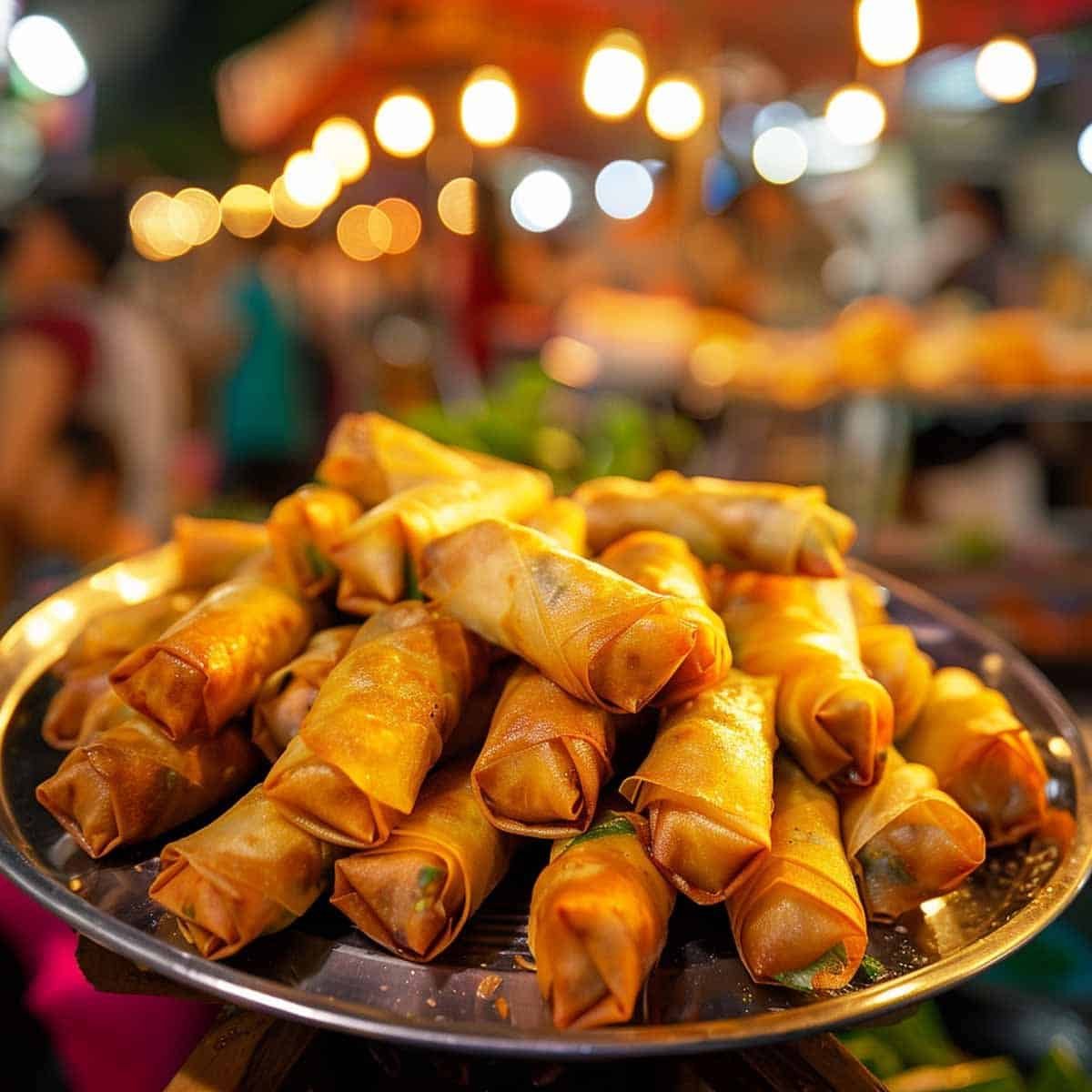
In Bangkok markets you will find them piled in towers under heat lamps, sold by the bag for almost nothing. The Food and Agriculture Organization of the United Nations lists spring rolls among Southeast Asia’s most widely consumed street foods for good reason. They are everywhere. But the ones worth eating are made at home, rolled tight, fried in oil that is already hot, eaten before they have a chance to think about cooling down.
The wrapper is everything. Thai spring roll wrappers are thin rice paper sheets, usually sold frozen, and they behave completely differently from the thicker wheat wrappers used in Chinese egg rolls. In the oil they blister and bubble, the surface tightening and shattering into something that is more cracker than bread. The filling stays moist inside while the outside becomes completely crisp. That contrast, the shatter of the wrapper against the soft noodles and filling within, is what makes Por Pia Tod what it is.
According to the Oxford Companion to Food, fried spring rolls and their variations are among the most widely eaten street foods in Southeast Asia, found from Thailand to Vietnam to Indonesia with each country’s version reflecting its own filling traditions and frying methods.
My mother made these on Sundays. The sound when they hit the oil filled the whole house. That is the part I remember most.
WHAT YOU’LL NEED
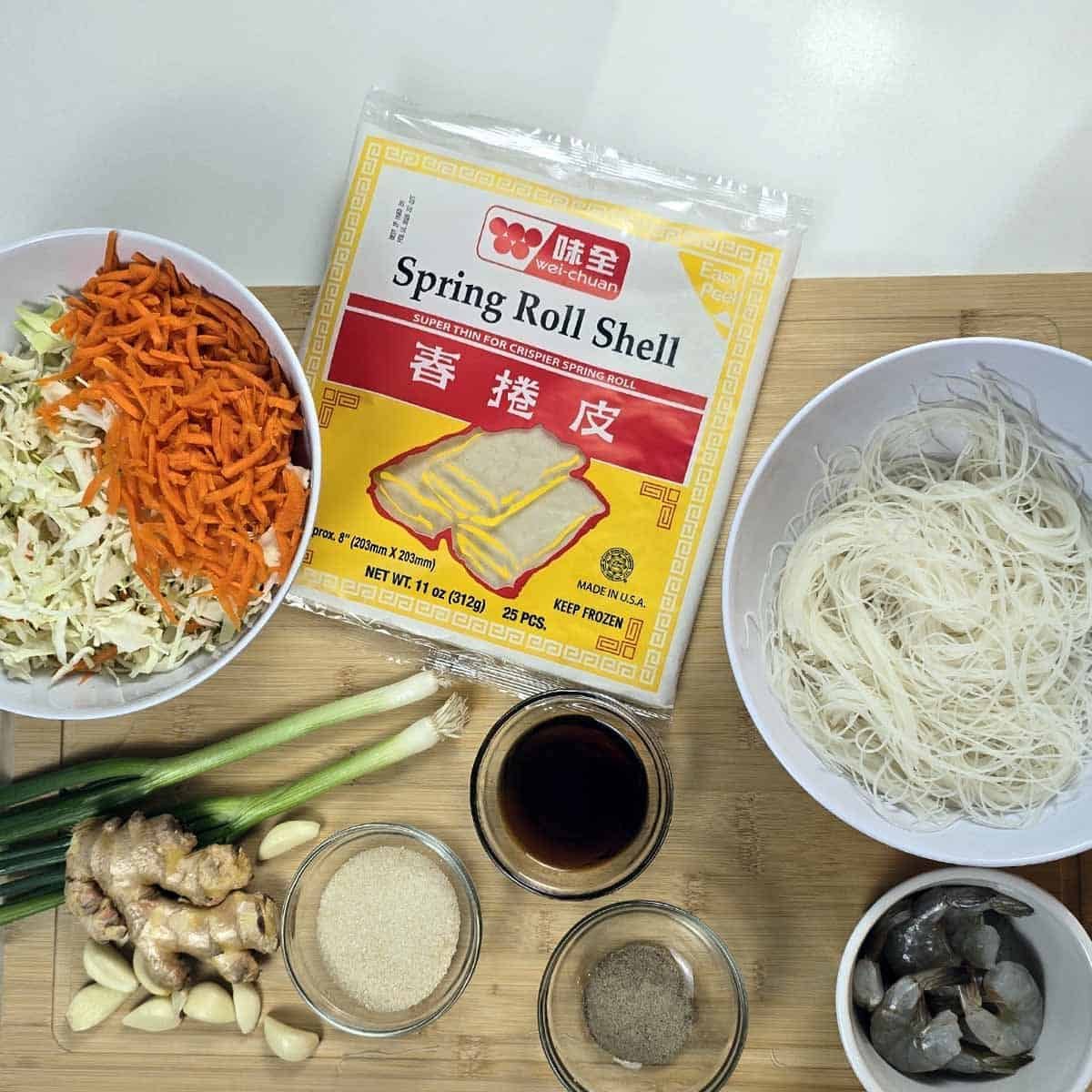
Spring roll wrappers, eight to ten. Not egg roll wrappers. Not wonton skins. The thin rice paper spring roll sheets, usually sold frozen in Asian grocery stores. Keep them cold until ready to use. They peel apart more cleanly when cold.
Glass noodles, half a cup, also called vermicelli noodles, soaked in cold water for ten minutes and drained, then chopped. Not hot water. Cold. They soften slowly and stay firm enough to hold their shape inside the roll.
Shrimp, half a cup, peeled, deveined, and chopped into small pieces. Pork or beef also work.
Shredded cabbage, one cup. Finely shredded carrot, half a cup. The thinner the shred, the better it cooks through inside the wrapper without releasing too much water.
Garlic, two to three cloves, minced. Fresh ginger, one tablespoon, grated. Onion, one small, thinly sliced.
Soy sauce, one tablespoon. Oyster sauce, two tablespoons. White pepper, one teaspoon. Sugar, one teaspoon. Sesame oil, added off the heat just before rolling.
Vegetable oil for frying. One egg for the sealing wash.
VISUAL WALK THROUGH
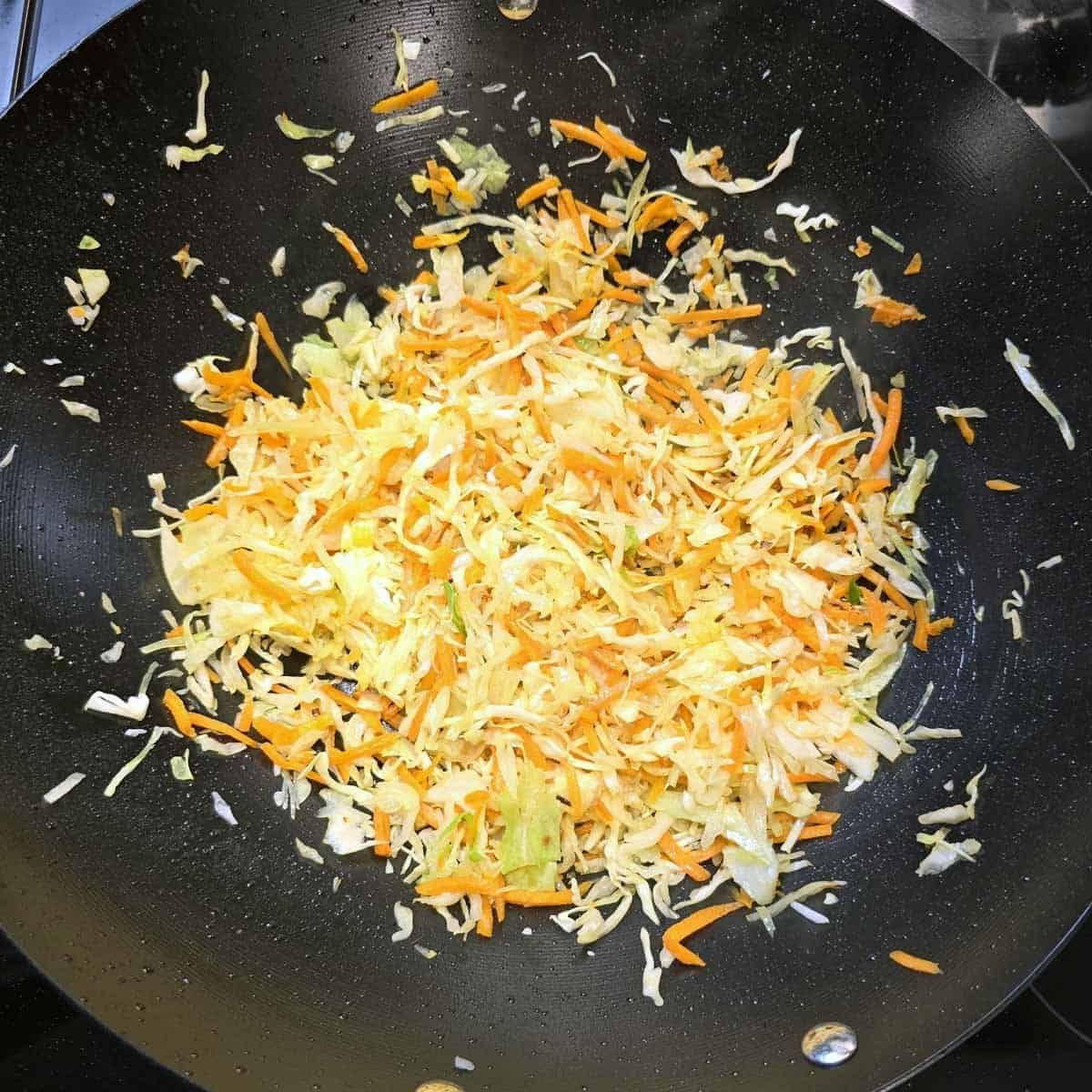
Step 1. Soak the noodles and cook the filling.
Heat a tablespoon of oil in a pan over medium heat. Add the shrimp and cook until completely cooked through, then remove from heat and set aside. Add onions, garlic, cabbage, carrots, and noodles and stir to combine. Cook for about five to seven minutes until vegetables soften slightly. Stir in soy sauce, oyster sauce, white pepper, sugar, and the cooked shrimp. Cook for an additional two to three minutes until well combined. Add the sesame oil off the heat. Let the mixture cool completely before rolling. Spread on a wide tray and give it at least twenty minutes. Warm filling steams the wrapper from the inside and softens it.
Step 2. Prepare the wrappers and rolling station.
Keep the spring roll wrappers cold until you are ready to use them. Beat one egg in a small bowl for the sealing wash. Have the cooled filling within reach. Set up your rolling station before you begin. Everything in place. The rolling goes quickly once you start.
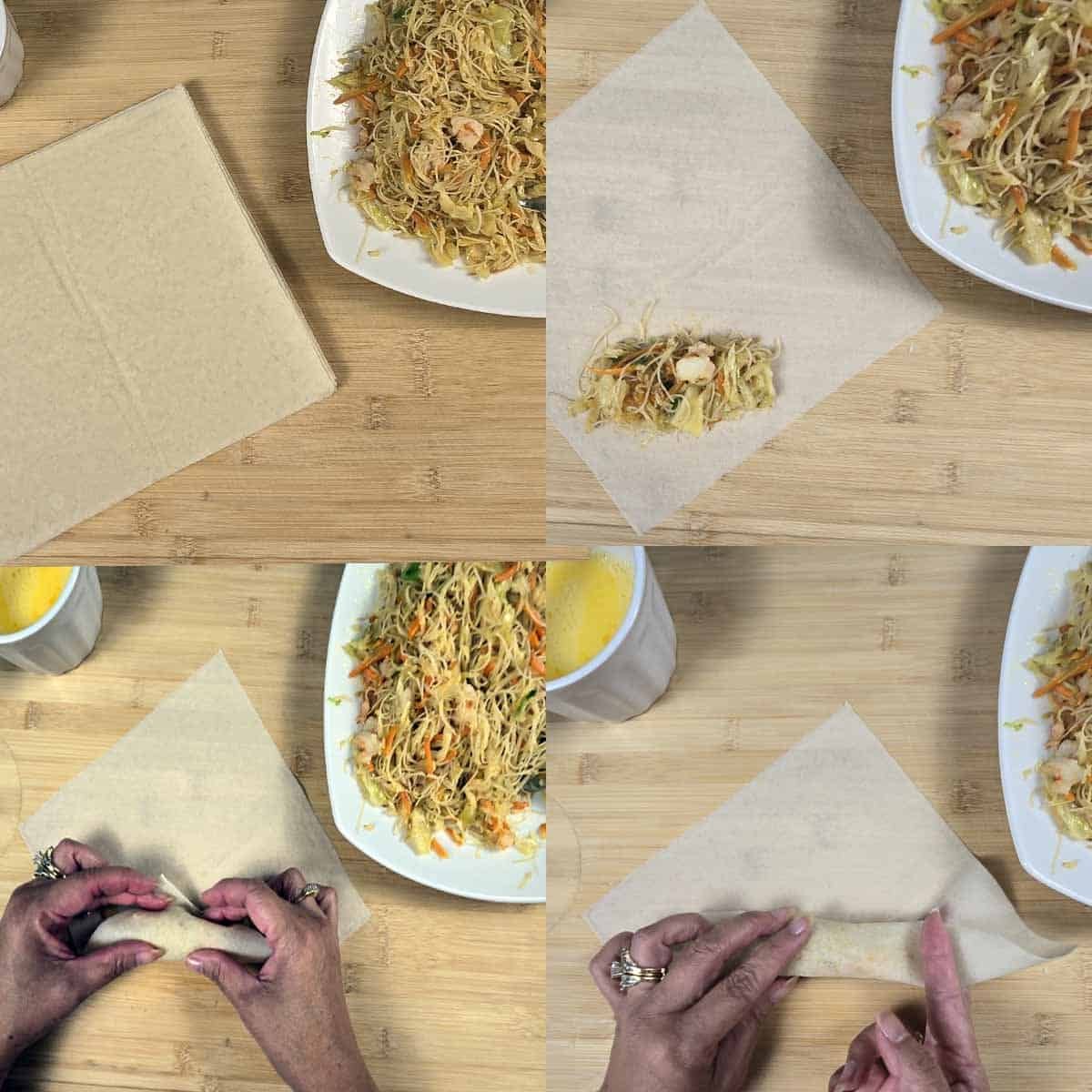
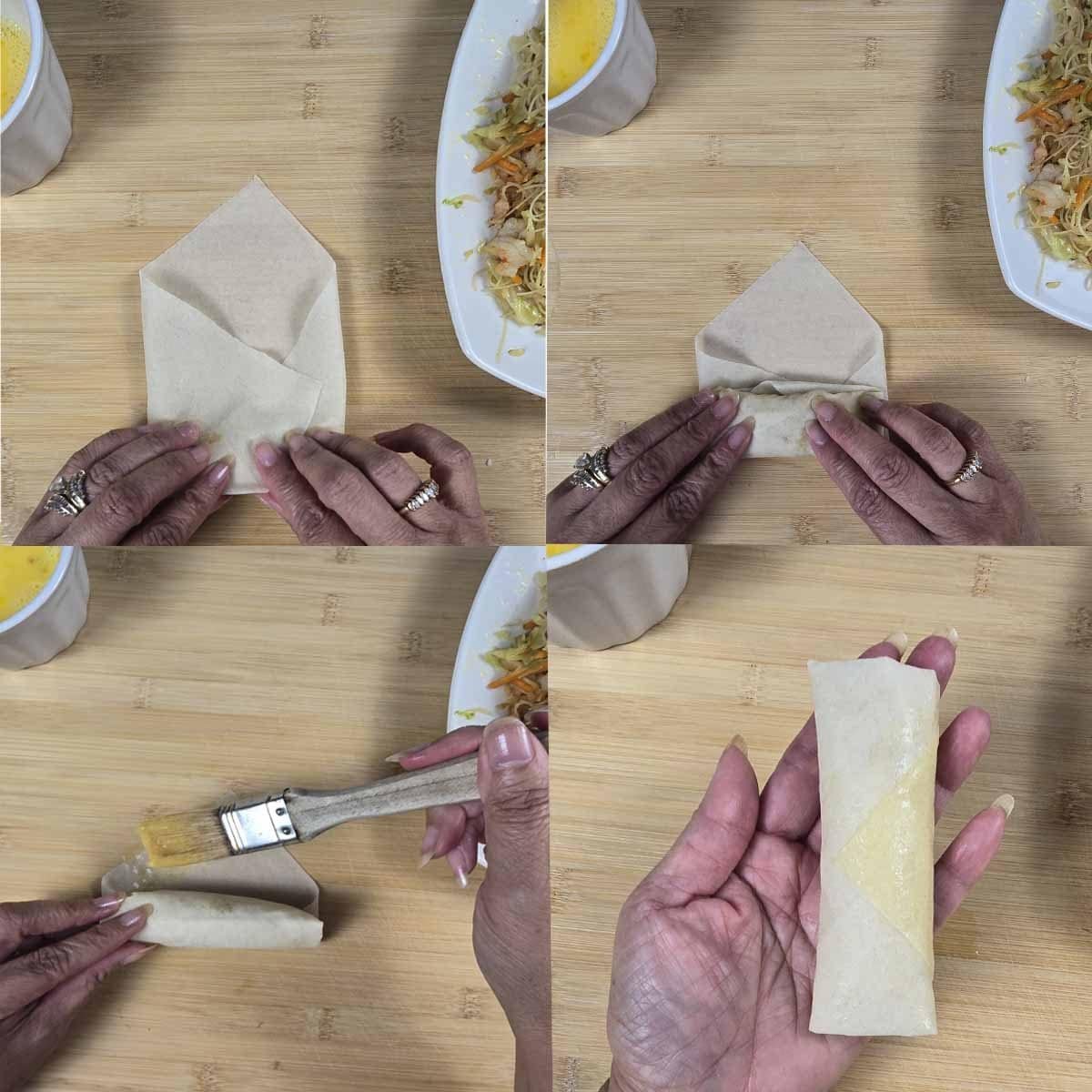
★ Step 3. Roll tight. This is What Makes the Difference.
Place two tablespoons of the filling on each spring roll wrapper. Fold in the edges and roll tightly. The roll should feel compact. If it feels loose, unroll and start again. A loose roll fills with oil when it fries. Seal the edge with the egg wash and press it down. Hold it there for a moment. My mother pressed the edge down with her finger and held it there a moment longer than she needed to. I understand now why she did that.
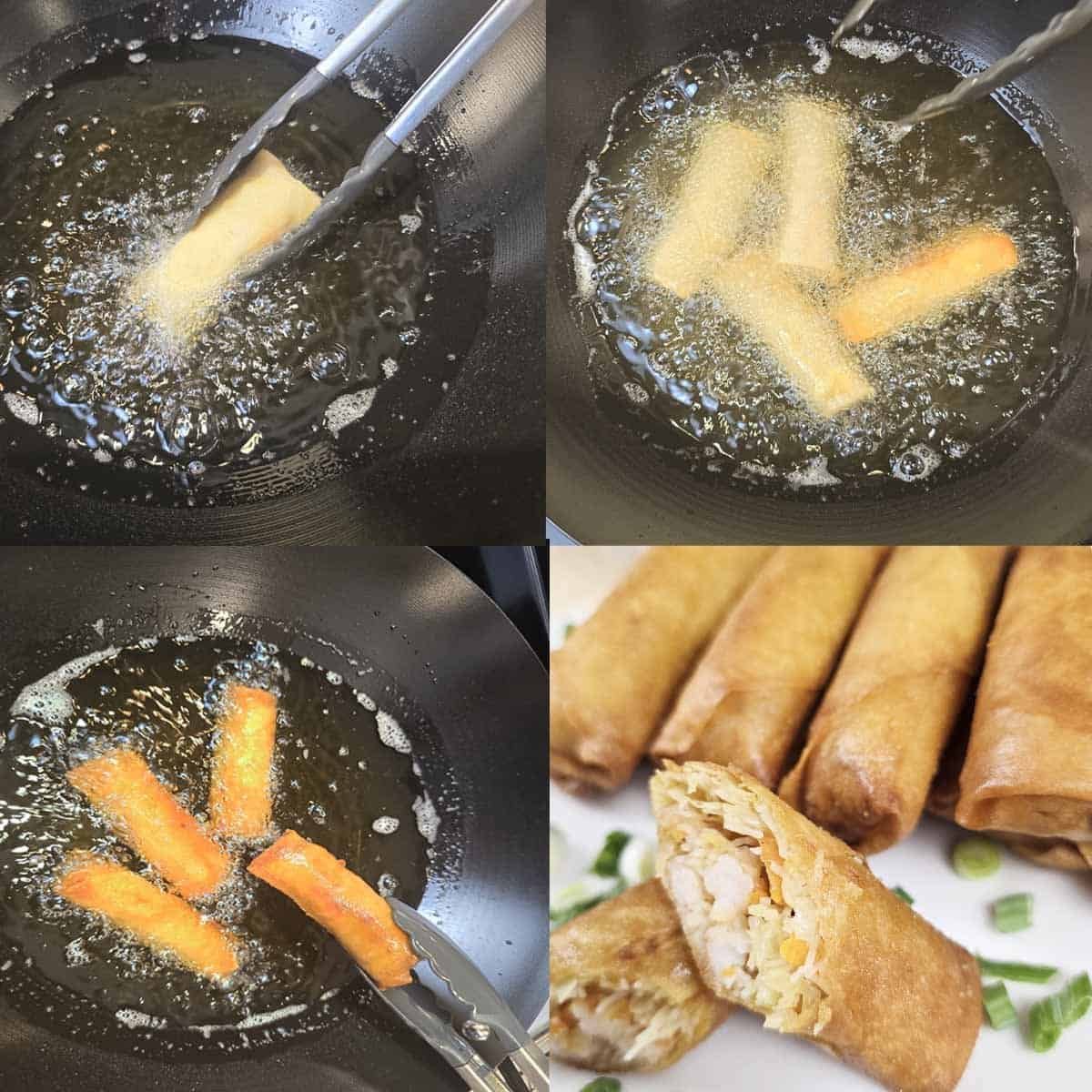
Step 4: Fry in Hot Oil
Heat oil to 170°C / 340°F. Use a thermometer if you have one. If you don’t, drop a small piece of wrapper in, it should sizzle immediately and float. Lower the rolls in gently, seam side down. Don’t crowd the pan. Four at a time, maybe five. Fry for three to four minutes, turning once, until they are deep gold and blistered. Transfer to a wire rack, not paper towels.
Step 5. Serve with sweet chili sauce.
Serve hot with sweet chili sauce.
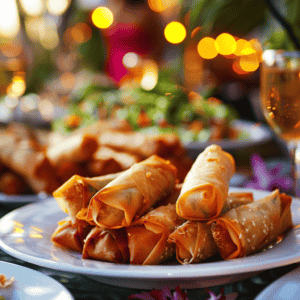
Fried Thai Spring Rolls (Por Pia Tod)
Ingredients
- 8-10 spring roll wrappers
- 1 cup shredded cabbage
- 1/2 cup finely shredded carrot
- 1 tablespoon soy sauce
- 1 tsp white pepper
- 2 tablespoon oyster sauce
- 1 teaspoon sugar
- 2-3 clove garlic minced
- 1 tablespoon freshly grated ginger
- 1 small onion thinly sliced
- 1/2 cup vermicelli noodles soaked, chopped
- 1/2 cup shrimp ( optional pork, or beef)
- spring onions
- Vegetable oil for frying
- Sesame oil
- Egg
Instructions
- Heat a tablespoon of oil in a pan over medium heat, add protein of choice, cook until completely cooked through. ( if using shrimp, remove from heat and set aside)
- Add onions, garlic, cabbage, carrots, and rice noodles, stir to combine. Continue to cook for about 5-7 minutes until vegetables soften slightly.
- Stir in soy sauce, oyster sauce, white pepper, sugar, green onions (optional), and shrimp. Cook for an additional 2-3 minutes until well combined.Return shrimp to the mixture. Let the mixture cool.
- Place 2 tablespoons of the filling on each spring roll wrapper. Fold in the edges and roll tightly. Seal the edge with the egg wash.
- Heat oil in a deep pan and fry the spring rolls until golden brown, about 3-4 minutes. Drain on cooling rack.
- Serve hot with sweet chili sauce.
Notes
Nutrition
LET’S GET THIS RIGHT
Why do my Thai fried spring rolls come out soggy instead of crispy?
One of two things. The filling was still warm when you rolled, so steam softened the wrapper before it hit the oil. Or the oil was not hot enough, below 165C, the wrapper absorbs oil instead of sealing against it. Let the filling cool completely. Get the oil to temperature before the first roll goes in.
Why do my spring rolls burst open in the oil?
The seal was not secure. The egg wash needs to be applied generously and the edge pressed down and held for a few seconds. If the roll feels even slightly loose before frying, it will open in the pan. Roll again. Take your time at this step.
Can I use a different wrapper?
The thin rice paper spring roll sheet is what gives Thai fried spring rolls their specific shatter. Egg roll wrappers are thicker and wheat-based and fry up chewier and more doughy. The result is a different thing entirely. If that is all you have, they will still taste good. But they will not crack the same way.
How much filling should I use per roll?
Two tablespoons. No more. It sounds like very little but the wrapper can only hold so much before the roll becomes thick in the middle and underfried. A smaller roll fries through evenly. The crunch is uniform. That is what you want.
Can I make Thai fried spring rolls ahead of time?
Roll them and freeze them before frying. Lay them on a tray without touching, freeze until solid, then bag them. Fry from frozen, they go straight from the freezer into the oil. Do not thaw. Thawed rolls get soft and sticky before they hit the pan.
FLAVOR PROFILE
You hear them before you taste them. That sharp crack when you bite through the wrapper, that is the whole point. Then the filling: soft glass noodles against crispy shell, savory shrimp, a little sweetness from the carrot, white pepper that arrives at the back of the mouth a second after everything else.
The sesame oil is subtle. You would not name it if you did not know it was there. But if it was missing, you would know. The sweet chili sauce cuts through, bright, sharp, a little vinegary, and resets the palate so you reach for another.
Thai fried spring rolls are not subtle food. They are loud and satisfying and gone before you have had time to think about them carefully. That is exactly right.
My mother made these on Sundays. The sound when they hit the oil filled the whole house. That first loud crack. My father said you could hear a good cook from the street. He always meant her.
SUSIE’S KITCHEN NOTES
The temperature of the oil changes everything. Too cool and the roll absorbs instead of seals. Too hot and the outside browns before the filling heats through. 170C / 340F is where you want to be. If you do not have a thermometer, keep a small piece of wrapper nearby and drop it in. Instant sizzle and a float to the top means you are ready. If it sinks and bubbles slowly, wait.
Do not walk away from the pan. Thai fried spring rolls fry quickly and they go from gold to dark in less than a minute. Stand there. Watch them. Turn them once at the halfway point for even color. Four minutes total, sometimes three and a half if the rolls are small.
The wire rack matters. When you pull the rolls from the oil, set them on a rack over a tray, not on paper towels, not flat on a plate. Paper traps the steam that rises off the hot roll and softens the bottom. The rack lets air circulate on all sides and the crunch holds.
If you are making a large batch, hold the fried rolls in a low oven, 95C / 200F, on the rack. They will stay crispy for up to twenty minutes. Not indefinitely. But long enough to finish the batch and bring everything to the table at once.
My mother rolled at the table in the back room with the fan that never quite worked. My cousin and I sat across from her and watched. She rolled tight, pressed the edge down, held it there. I did not understand then why she held it that extra moment. I understand now. Some things only make sense later.
PAIRING SUGGESTIONS
Thai fried spring rolls are street food at heart, which means they go well with almost everything that is not trying too hard. Serve them as a starter alongside a bowl of Tom Kha Gai, the coconut broth softening the meal after the crunch of the rolls. They sit well next to the Thai basil stir fry, where the aromatic heat of the basil contrasts with the mild savory filling. The sweet Thai chili sauce is the dipping sauce they were made for, bright and sharp and exactly right alongside. For a full spread, the Thai cucumber salad provides the cool, light freshness that cuts through the oil and keeps everything balanced. And for the drink alongside a plate of hot, crispy spring rolls, the Thai iced tea is cold and sweet and always correct. Whatever is on the table, the spring rolls will go first. My mother knew this. She always made enough.
FAQ
What is the difference between Thai fried spring rolls and Chinese egg rolls?
Thai fried spring rolls use thin rice paper wrappers that shatter when you bite them. Chinese egg rolls use a thicker wheat-based wrapper that fries up chewier and more doughy. The fillings also differ. Thai spring rolls typically use glass noodles, shrimp, carrot, and cabbage seasoned with oyster sauce and soy sauce. Different things entirely. Both good. Not the same.
Can I bake Thai fried spring rolls instead of frying them?
You can. Brush the rolls with oil and bake at 200 degrees Celsius, 400 Fahrenheit, for about twenty minutes, turning once. They will not shatter the same way. The wrapper gets golden and crisp but more like a cracker than glass. If that tradeoff works for you, baking is a reasonable option. But the fry is the fry. It is worth it.
What dipping sauce goes with Thai fried spring rolls?
Sweet chili sauce is the classic, bright, a little sweet, a little sharp, and exactly right alongside Thai fried spring rolls. You can also serve them with a simple plum sauce or a light soy and rice vinegar dip with sliced chili. The sauce should cut through the fat, not add to it.
How do I keep Thai fried spring rolls crispy after frying?
Set them on a wire rack, not paper towels. The rack lets steam escape from all sides. If you are holding them for a batch, a low oven at 95 degrees Celsius, 200 Fahrenheit, on the rack keeps them crispy for up to twenty minutes. Do not stack them and do not cover them. Either will soften the wrapper quickly.
What wrappers should I use for Thai fried spring rolls?
Look for thin spring roll pastry sheets, also labeled spring roll skin or spring roll wrappers, usually sold frozen in Asian grocery stores. They are typically square and much thinner than egg roll wrappers. Keep them cold until you are ready to peel and roll. They separate much more cleanly when cold.
Can I make Thai fried spring rolls vegetarian?
Yes. Replace the shrimp with firm tofu, crumbled and pressed dry before cooking, or with finely chopped mushrooms for a different texture. Replace the oyster sauce with mushroom oyster sauce or light soy sauce. Season with white pepper and sesame oil the same way. The texture changes but the flavor holds.
How many Thai fried spring rolls does this recipe make?
This recipe makes approximately eight to ten rolls depending on the wrapper size and how much filling you use per roll. Two tablespoons of filling per roll is the right amount, enough to taste but not so much that the roll is hard to seal or fries unevenly. They disappear faster than you expect.