
Sticky rice, also known as Khao Niew or sweet rice is a staple of Thai cuisine and is cherished for its unique chewy texture and mildly sweet flavor. This traditional dish is often paired with delectable toppings such as ripe, juicy mangoes or succulent grilled meats, making it a versatile and satisfying choice for special celebrations or everyday dining.
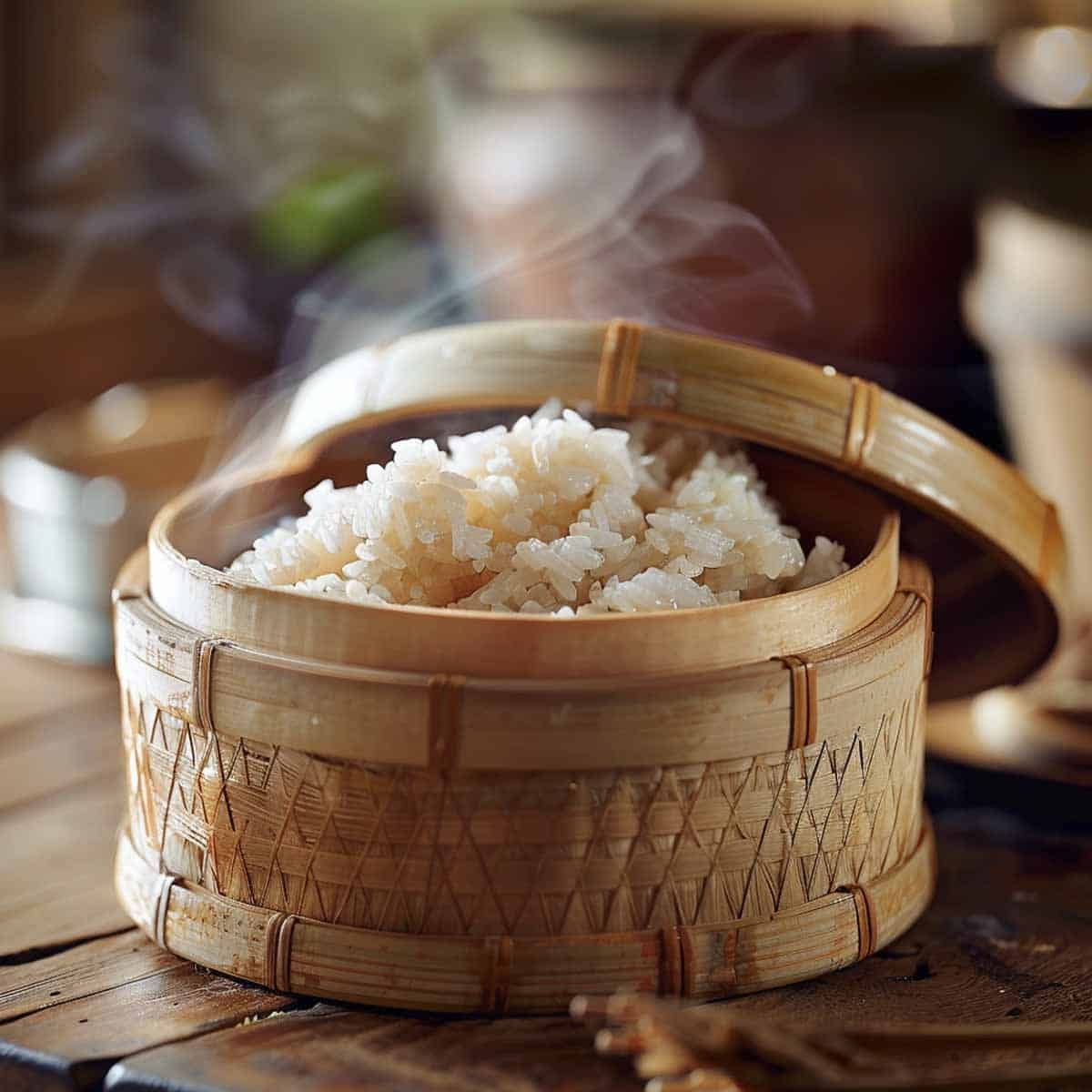
Sticky rice, also known as glutinous rice, has been grown in Southeast Asia for about 4,000 years. It likely started being grown in the area that now includes parts of China, Myanmar, Laos, and Thailand. Its unique, sticky texture comes from having more amylopectin than other types of rice, making it an important part of Asian cuisines. If you would like to learn more on the back story on Tilda has a great article on it.
This recipe pairs well wit Laab, Chicken Sata, and Green Papya Salad
Can't wait for you to experience something that I absolutely love!

Sawasdee Kha, (Hello)
As a child, I have fond memories of eating mango and sticky rice at the night markets, deeply enamored with the culinary traditions of Thailand. I find sticky rice to be an indispensable staple of the region's diet. Its versatility is incredible whether paired with the sweet, lush mangoes in a beloved dessert or accompanying fiery, flavorful meats in savory dishes, it never fails to impress. Every spoonful takes me back to those vibrant market nights, surrounded by lively chatter and the enticing aromas of Thai cooking.
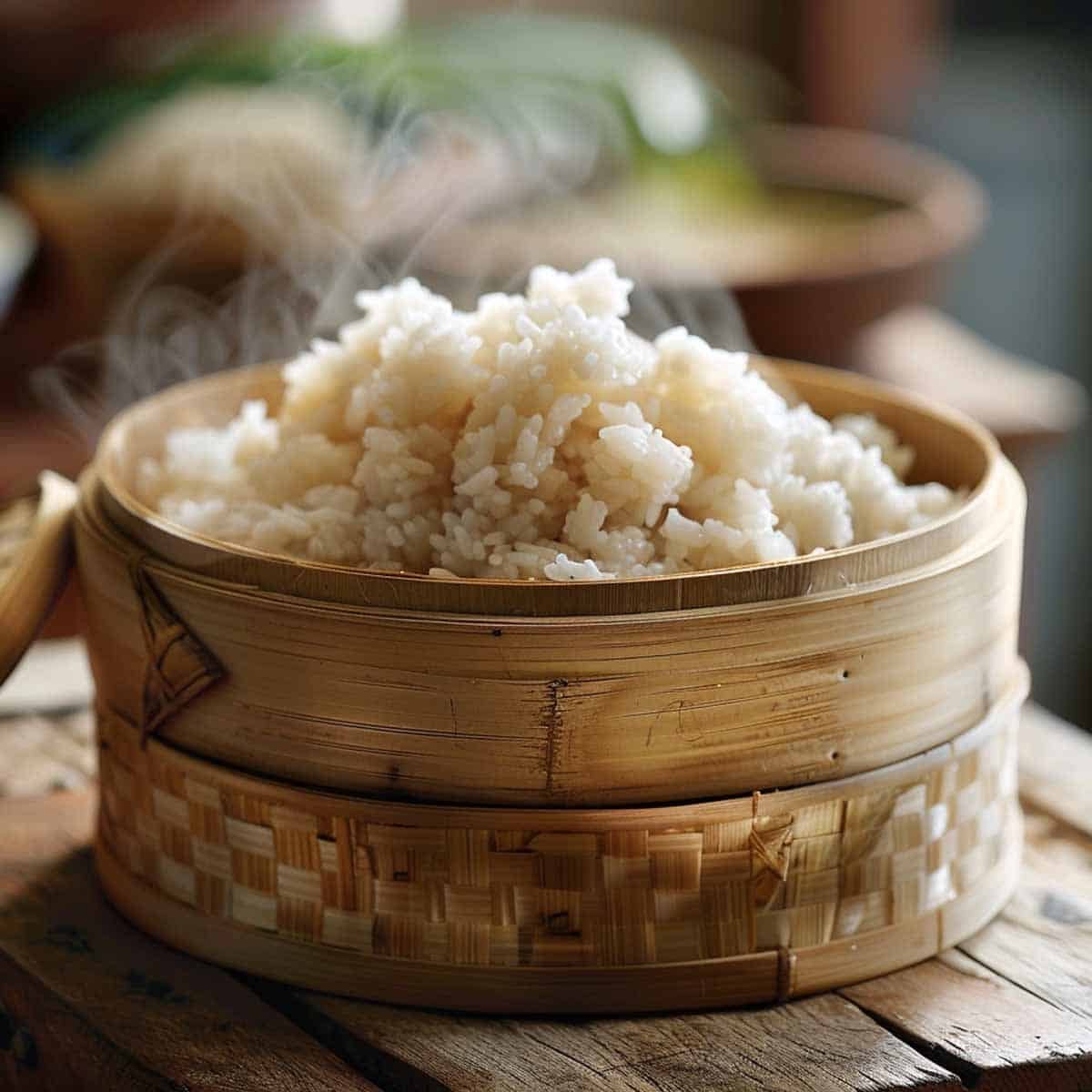
- Texture: The unique, chewy texture is incredibly satisfying to eat. It's unlike any other type of rice, with a distinct stickiness that makes it fun and enjoyable, especially when you can eat it with your hands.
- Versatility: Amazingly versatile. It's fantastic in a range of dishes, from sweet treats like mango sticky rice, where it perfectly complements the creaminess of coconut milk and the freshness of mango, to savory dishes like grilled meats and spicy salads, where it absorbs flavors beautifully.
- Cultural Experience: Eating sweet rice connects me to a rich cultural tradition. It's a staple in many festivals and gatherings in Thailand and other parts of Southeast Asia, making it not just a food but a key part of social and family rituals.
I'm thrilled for you to try it because it's a delightful gateway into the vibrant world of Thai cuisine. Its unique texture and ability to blend with both sweet and savory flavors promise a culinary adventure that's both tasty and culturally enriching!

WELCOME TO MY HOUSE! COME MAKE THIS Sticky RICE (Khao Niew) WITH ME!
Ingredients For Sticky Rice ( Khao Niew)
Did you know that sticky rice, also known as glutinous rice, comes in several varieties, each with unique characteristics? Thai sticky rice, or Khao Niew, is popular in Southeast Asia and is known for its slightly sweet flavor and chewy texture, making it perfect for desserts like mango sticky rice. Japanese sticky rice, or mochigome, is used in traditional dishes such as mochi and rice cakes and is known for its super sticky and dense consistency. Another variety is black sticky rice, which has a rich, nutty flavor and a striking purple-black color, often used in Asian desserts and puddings. Lastly, Laotian sticky rice is a staple in Laos, where it is typically steamed and eaten with hands, served alongside savory dishes. Each type of sticky rice offers a unique texture and flavor, enhancing a wide range of culinary creations.
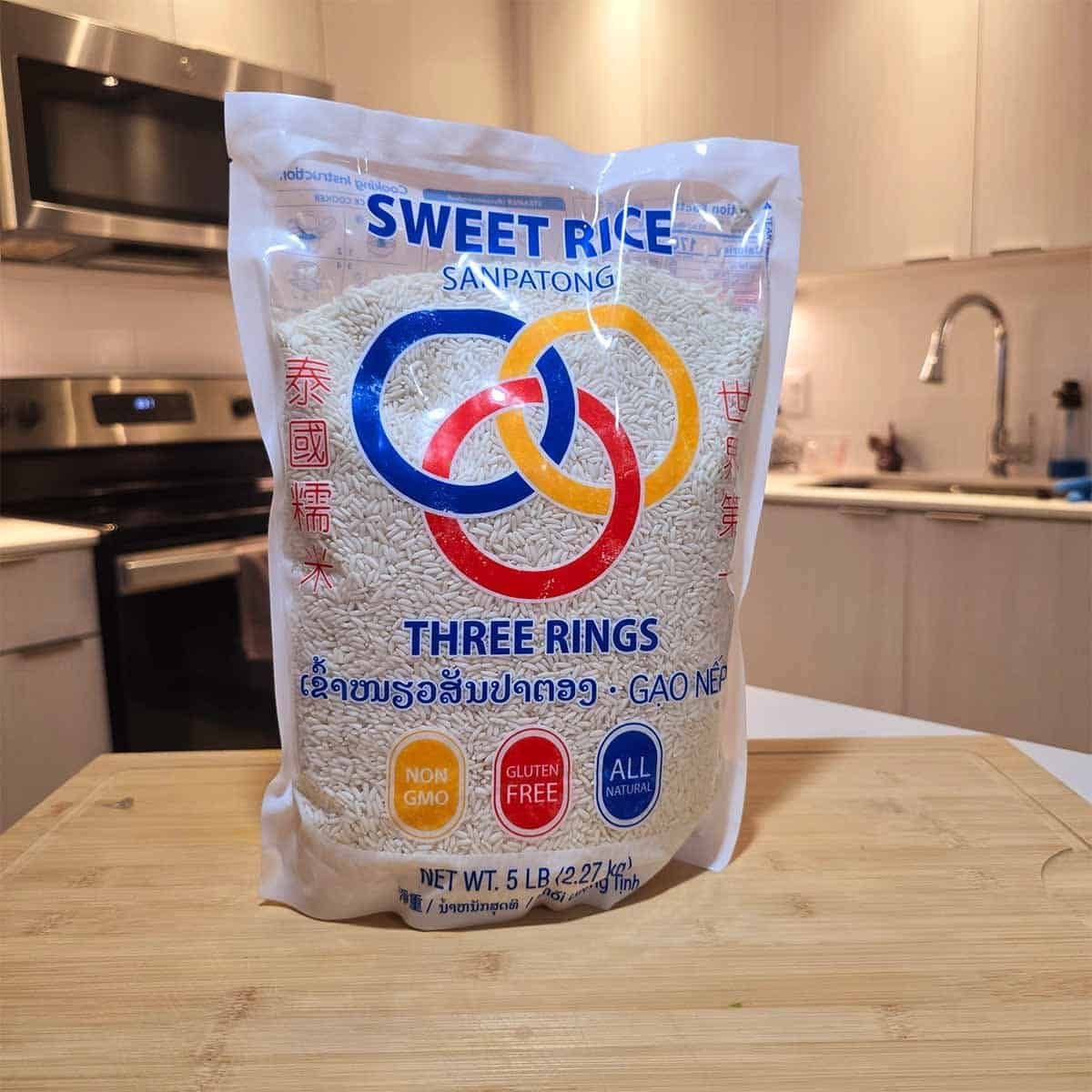
- Thai glutinous rice, aka Thai sweet rice.
- Water
See recipe for quantaties
Preparing Sticky Rice (Khao Niew)
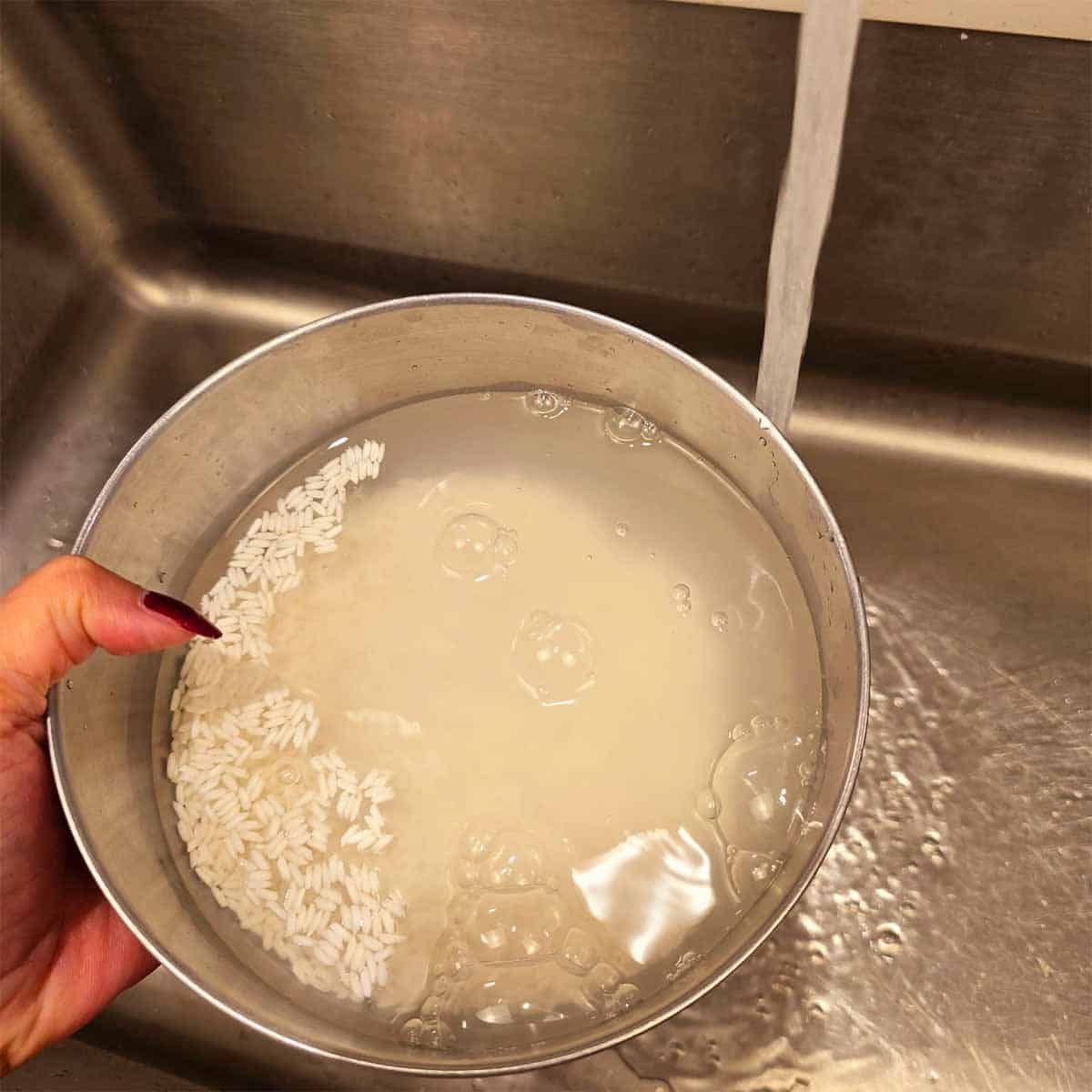
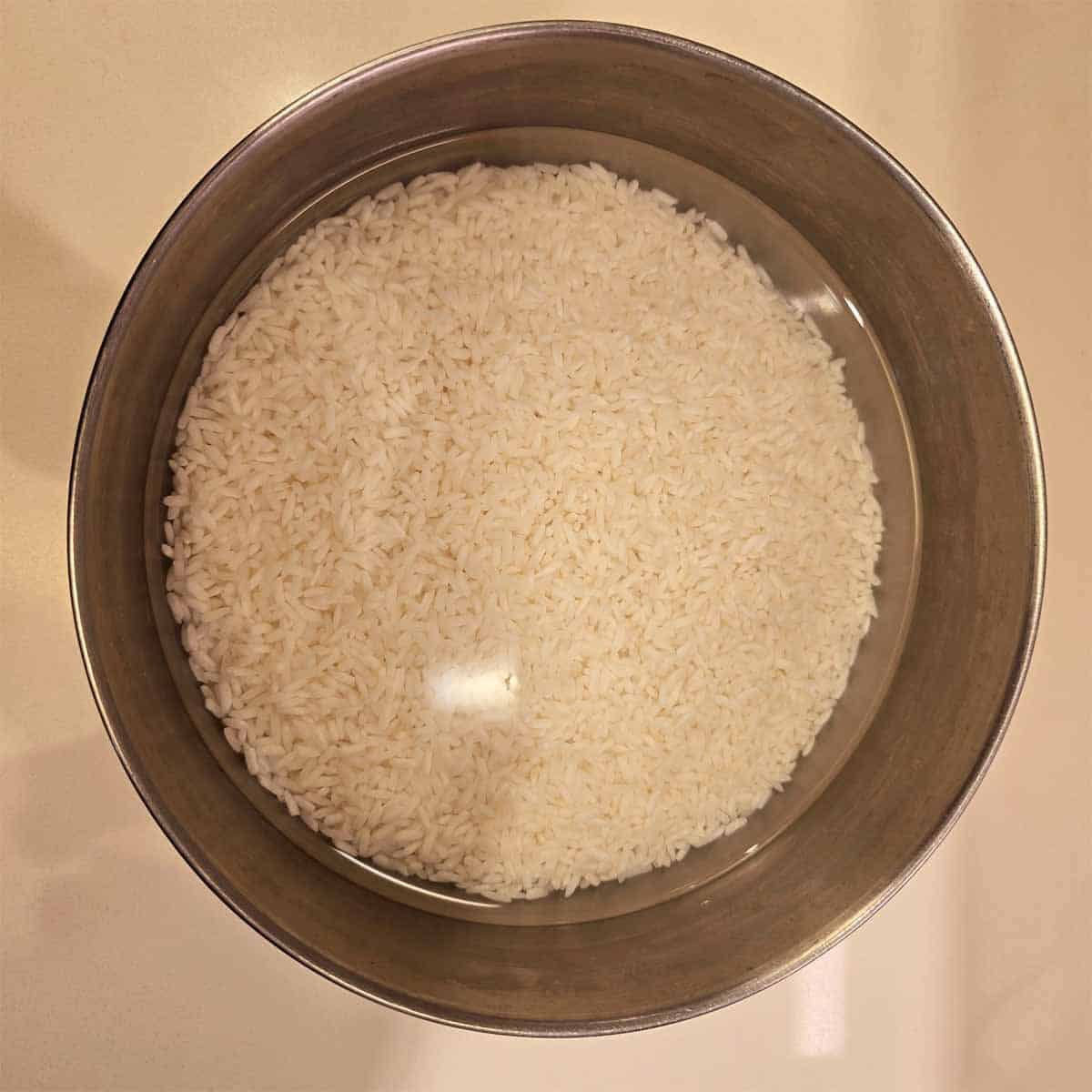
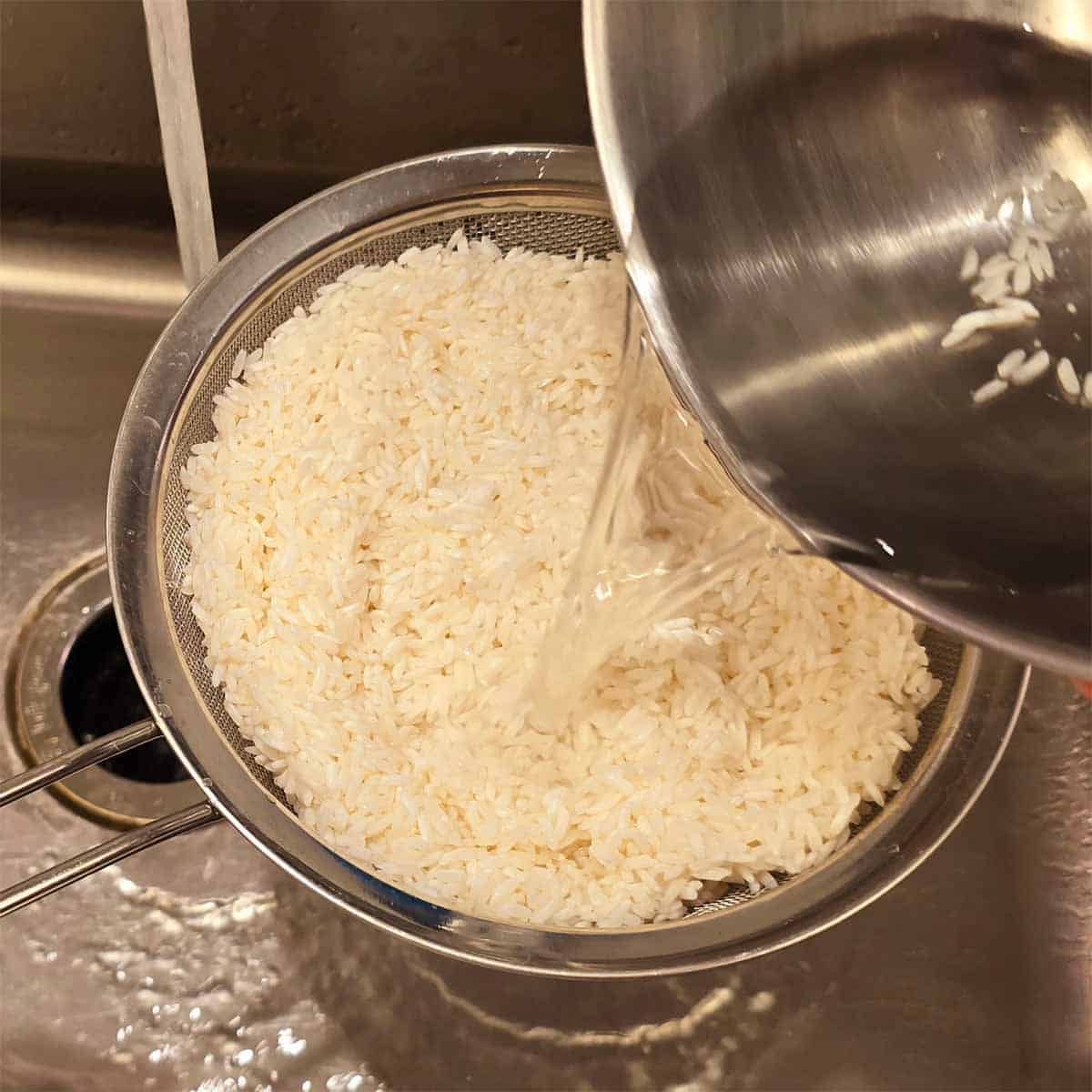
Begin by rinsing the rice under cold water until it runs clear to remove excess starch. Next, soak the rinsed rice in a large bowl of water for at least 4 hours, or even better, overnight. After soaking, drain the rice using a fine-mesh sieve or colander. This will get the rice ready for steaming.
Steam
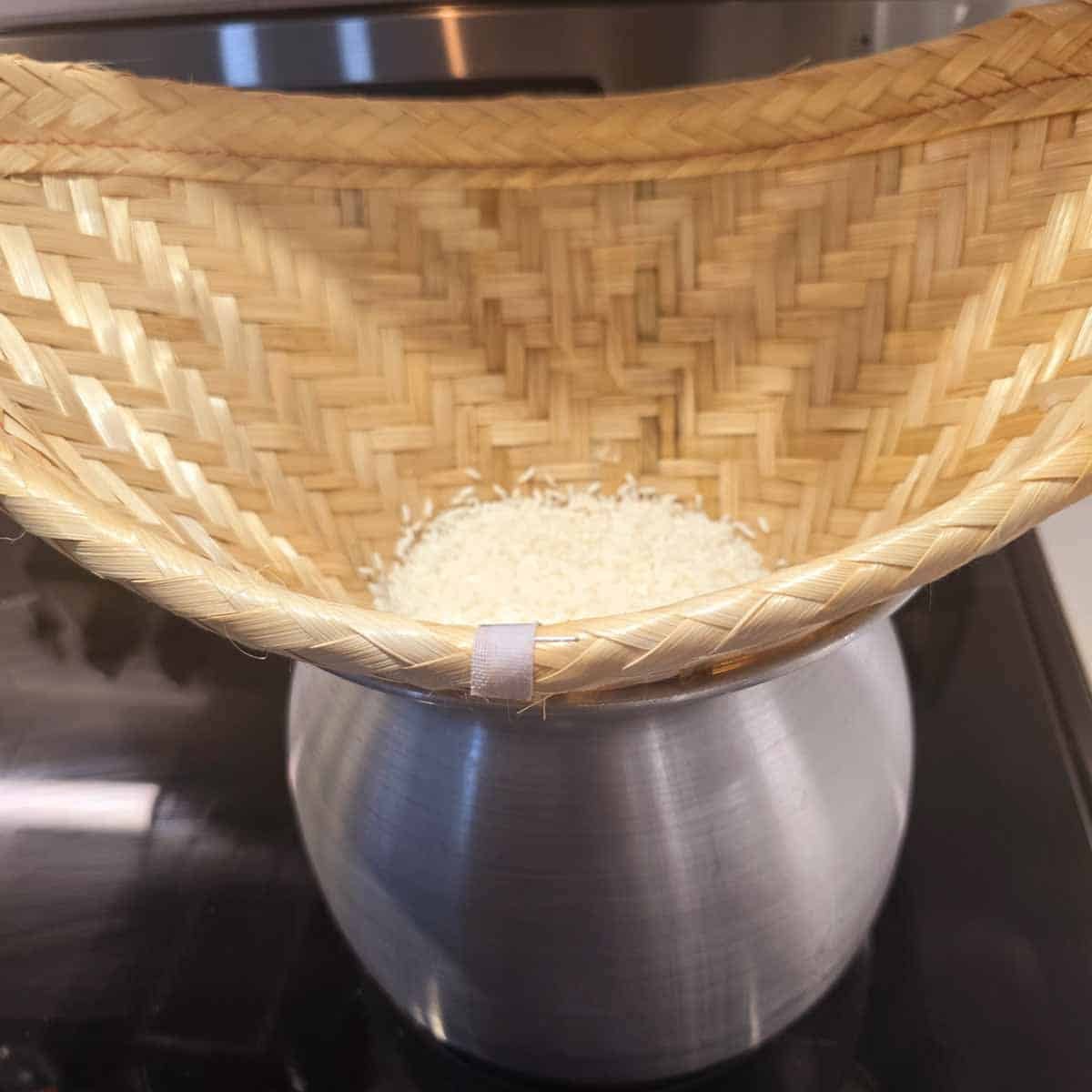
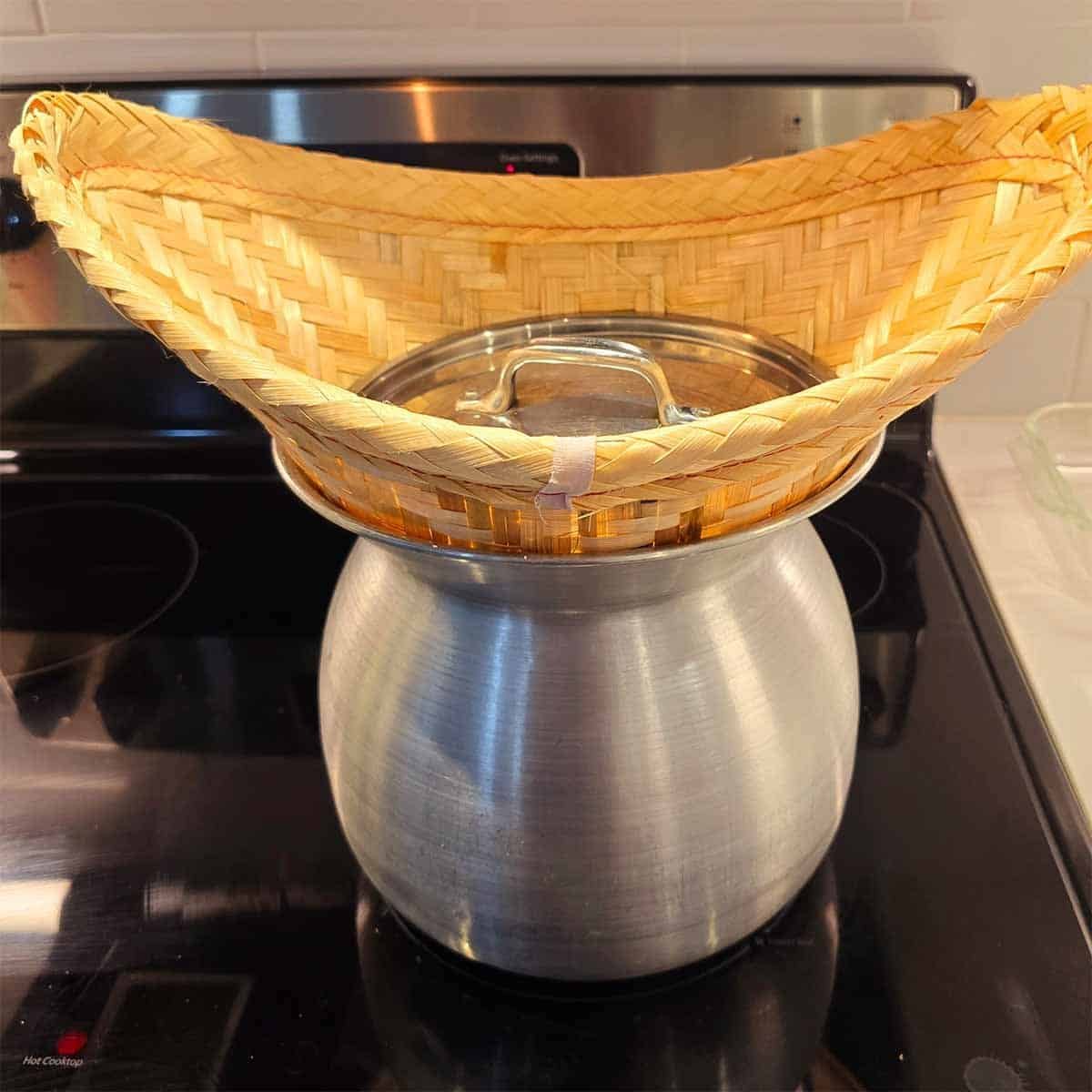
To steam the rice, start by filling a pot or steamer with water. Make sure the water level is below the basket, then bring it to a boil. Next, place the drained rice in the steamer basket and cover it with a lid. Let it steam for 25-30 minutes until the rice is tender and translucent. Remember to check occasionally to make sure the water doesn't evaporate completely. Enjoy your perfectly steamed rice!
Serve
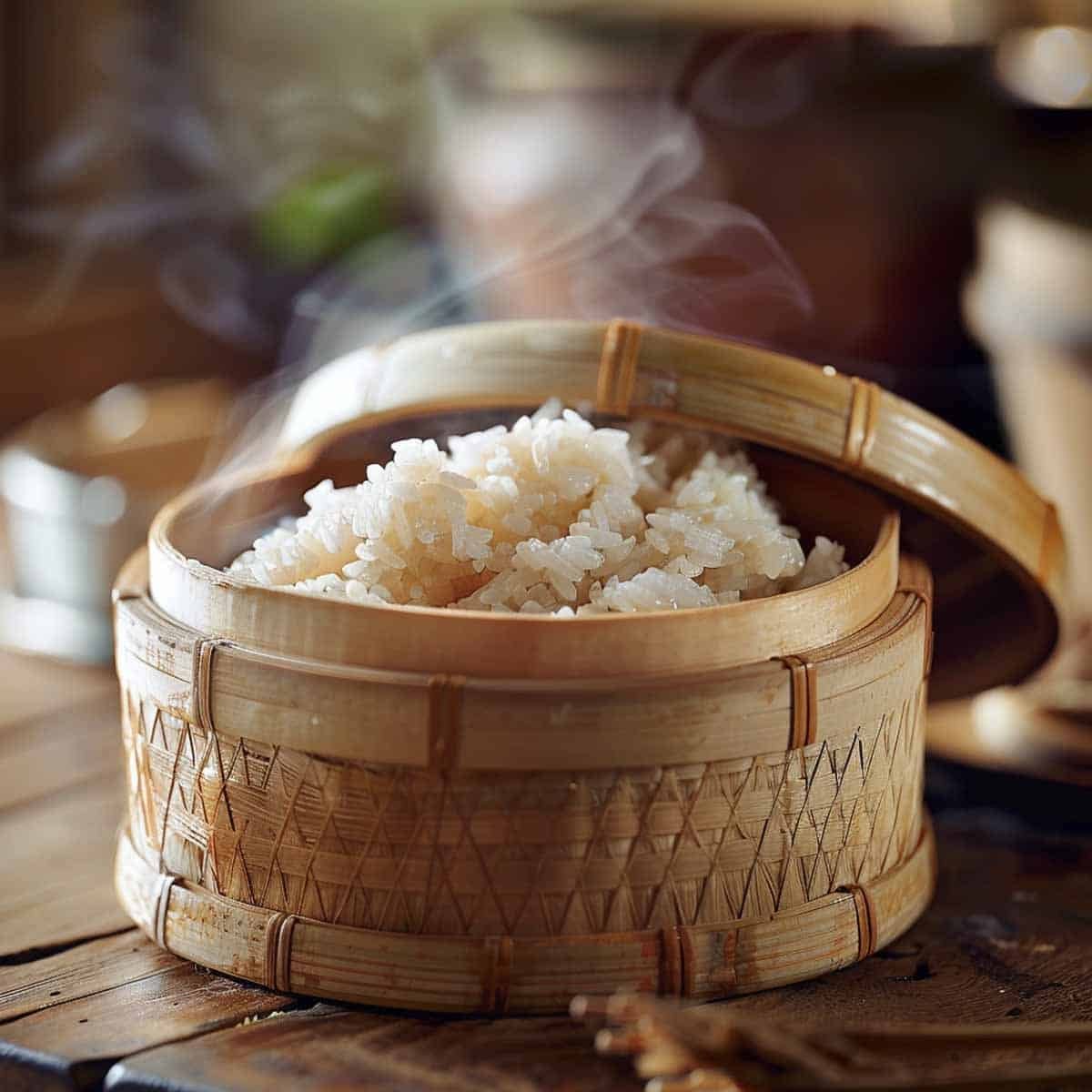
Sticky rice is absolutely delicious when served warm and pairs perfectly with a wide range of dishes. For an authentic culinary experience, enjoy it with savory meals like Thai curries, grilled meats, or stir-fries. It's also a fantastic match for sweet treats like mango and coconut milk, creating a delightful blend of flavors. Whether served as a main dish or a dessert, sticky rice adds a unique texture and taste to any meal. Enjoy!
Sticky Rice(Khao Niew)
Ingredients
- 2 cups Thai sticky rice also known as glutinous rice or sweet rice
- Water for soaking
- 2 ½ cups water for steaming
Equipment:
- A large bowl for soaking the rice
- A colander or fine-mesh sieve
- A steamer or a rice cooker with a steaming basket
- A pot or a rice cooker
Instructions
Soak the Rice:
- Rinse the sticky rice under cold water 2-3 times to remove excess starch until the water runs relatively clear.
- Soak the rice in a large bowl filled with enough water to cover it by at least 3 inches. Let it soak for at least 4 hours, or overnight for best results. This soaking process is crucial for achieving the right texture.
Prepare the Steamer:
- Fill the bottom of a steamer or a pot with 2 ½ cups of water. Bring the water to a boil. If you are using a steamer, line the steamer basket with cheesecloth or a clean, thin kitchen towel to prevent the rice from sticking or falling through.
Drain the Rice:
- After soaking, drain the rice thoroughly using a colander or a fine-mesh sieve.
Steam the Rice:
- Transfer the soaked and drained rice into the lined steamer basket. Spread it evenly to allow the steam to cook the rice uniformly.
- Place the basket over the boiling water, cover, and steam for about 15-20 minutes. Then, stir or flip the rice to ensure even cooking. Cover and steam for an additional 10-15 minutes, or until the rice is tender and sticky.
Rest the Rice:
- Once the rice is cooked, remove it from the heat and let it sit covered for about 10 minutes. This allows the grains to set and become perfectly sticky.
Serve:
- Fluff the rice gently with a fork or a rice paddle and serve it hot. Sticky rice is a perfect complement to a variety of dishes such as grilled meats, spicy Thai salads, or stir-fried vegetables.
Notes
Nutrition
FREQUENTLY ASKED QUESTIONS FOR Sticky Rice (Khao Niew)
Sticky rice is a delightful companion to many dishes! It's fantastic with everything from grilled meats and spicy salads to rich Thai curries. Enjoy it dipped into tasty sauces or alongside seafood and veggies. Remember, it's also perfect for sweet treats like Mango Sticky Rice. Sticky rice does make every meal a little more special!
Sticky rice is also called glutinous. It's a particular type of rice that becomes sticky and clumps together when cooked. Despite the name, it doesn't contain any gluten, and it has a tasty, chewy texture!
Suppose you're a fan of Sweet Rice, good news! You can quickly cook it in a rice cooker. Just remember to use less water than regular rice to avoid making it too mushy. And if your rice cooker has a setting for glutinous rice, that would be even better! This will ensure your sticky rice comes out perfectly every time. You can cook sticky rice using less water than regular rice in a rice cooker. Some rice cookers have a setting for glutinous rice.
Sticky rice and regular rice are like two peas in a pod with a twist in their makeup! Sticky rice is made of amylopectin, a type of starch that makes it sticky and a bit gooey when cooked. On the other hand, regular rice has more amylose, which keeps it light and fluffy, with grains that happily bounce apart. So, if you're in the mood for something clumpy and cozy, go for sweet rice or regular rice for a looser, airier feel on your plate!
PRO TIP
Pro Tips: For the perfect sweet rice, keep the rice covered during the steaming process. This traps the steam and ensures that the rice cooks evenly, becoming wonderfully sticky. If you find the rice too hard or dry towards the end, sprinkle a little water over it before finishing the steaming. This small step can make all the difference in achieving that ideal chewy texture.

Leave a Reply