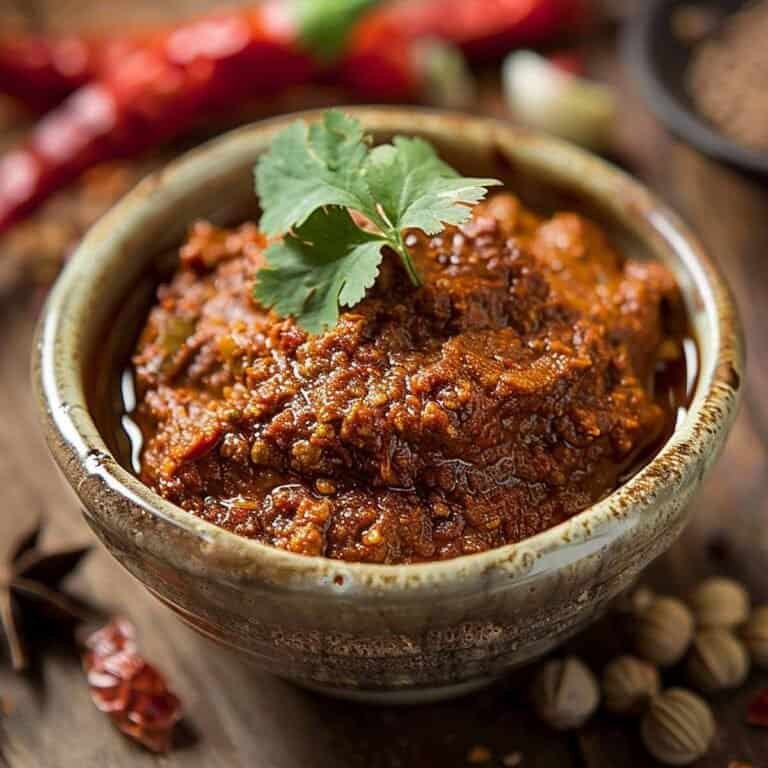
Imagine adding a magical touch to your dishes, bringing a nutty, toasty depth and an intriguing crunch. This is the secret of Roasted Rice Powder (Khao Khua), a cherished ingredient in Thai cuisine. Whether you’re a seasoned chef or a home cook, this simple yet transformative addition will elevate your culinary creations. Let’s dive into this easy recipe and uncover the wonders of Khao Khua!
Historical Background and Influence of Roasted Rice Powder (Khao Khua)
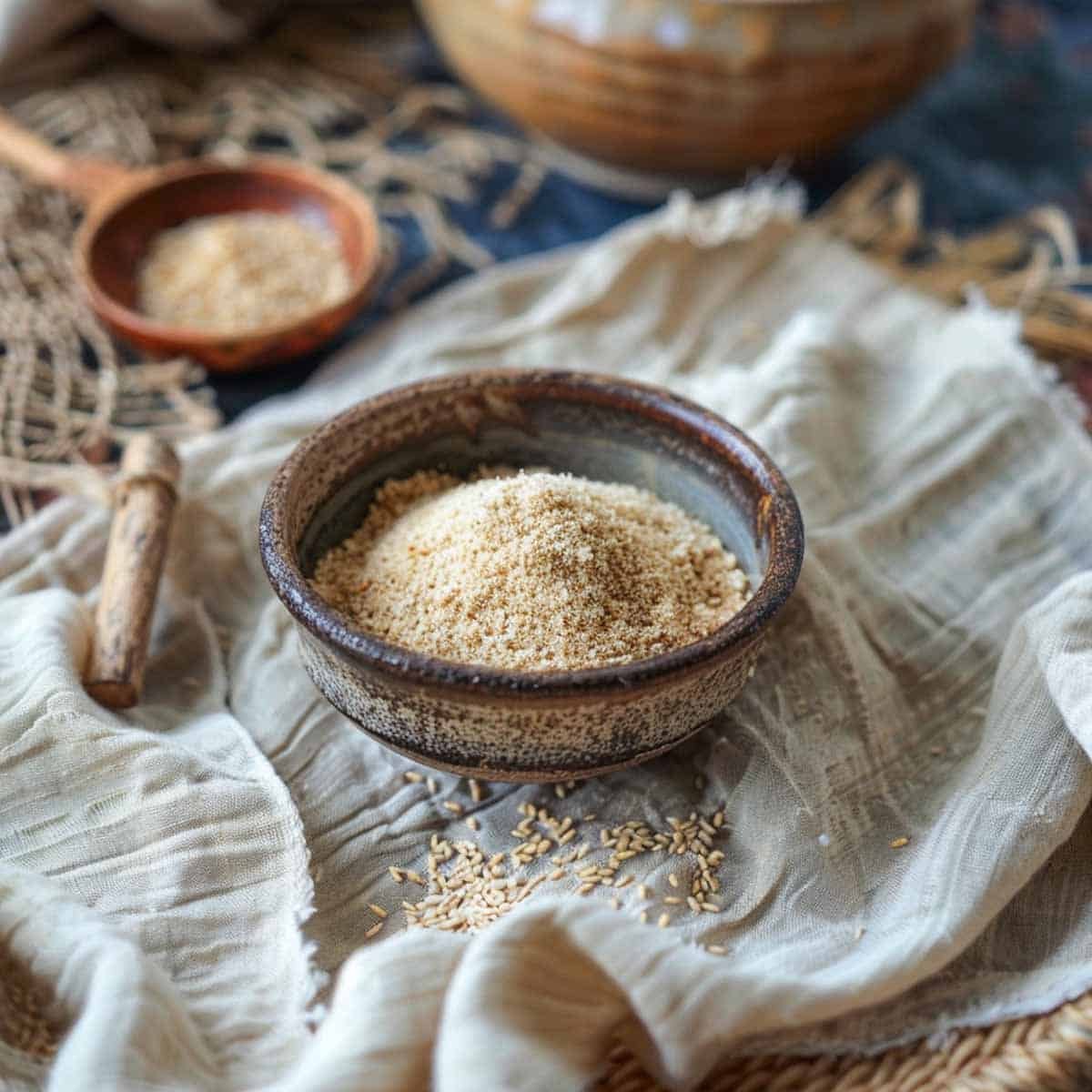
Roasted Rice Powder, or Khao Khua, has a long-standing history in Thai cuisine, particularly in the northeastern region of Isan. Traditionally used to add texture and flavor to larb (a type of salad), it symbolizes the resourcefulness of Thai cooking, where every ingredient has its purpose. Toasting rice to bring out its nutty essence is a testament to the ingenuity and depth of Thai culinary traditions. This humble ingredient has influenced many dishes, adding a distinctive, subtle, and profound touch.

Sawasdee Kha, (Hello)
Khao Khua holds a special place in my heart; it took me back to my grandmother’s kitchen as a child. The aroma of perfectly toasted rice would fill the house, and I always loved sprinkling it on salads and soups for that unique crunch. Since then, it has been a must-have in my kitchen, adding a nostalgic and authentic touch to my cooking. The golden color and inviting aroma of Roasted Rice Powder always make me smile. I’m thrilled you’re trying out this recipe and sharing your experience. Let’s embark on this flavorful journey together!

Welcome! I’m So Glad You’re Here. Join Me In Making Roasted Rice Powder , It’s Going To Be Delicious!
Essential Ingredients for Roasted Rice Powder.
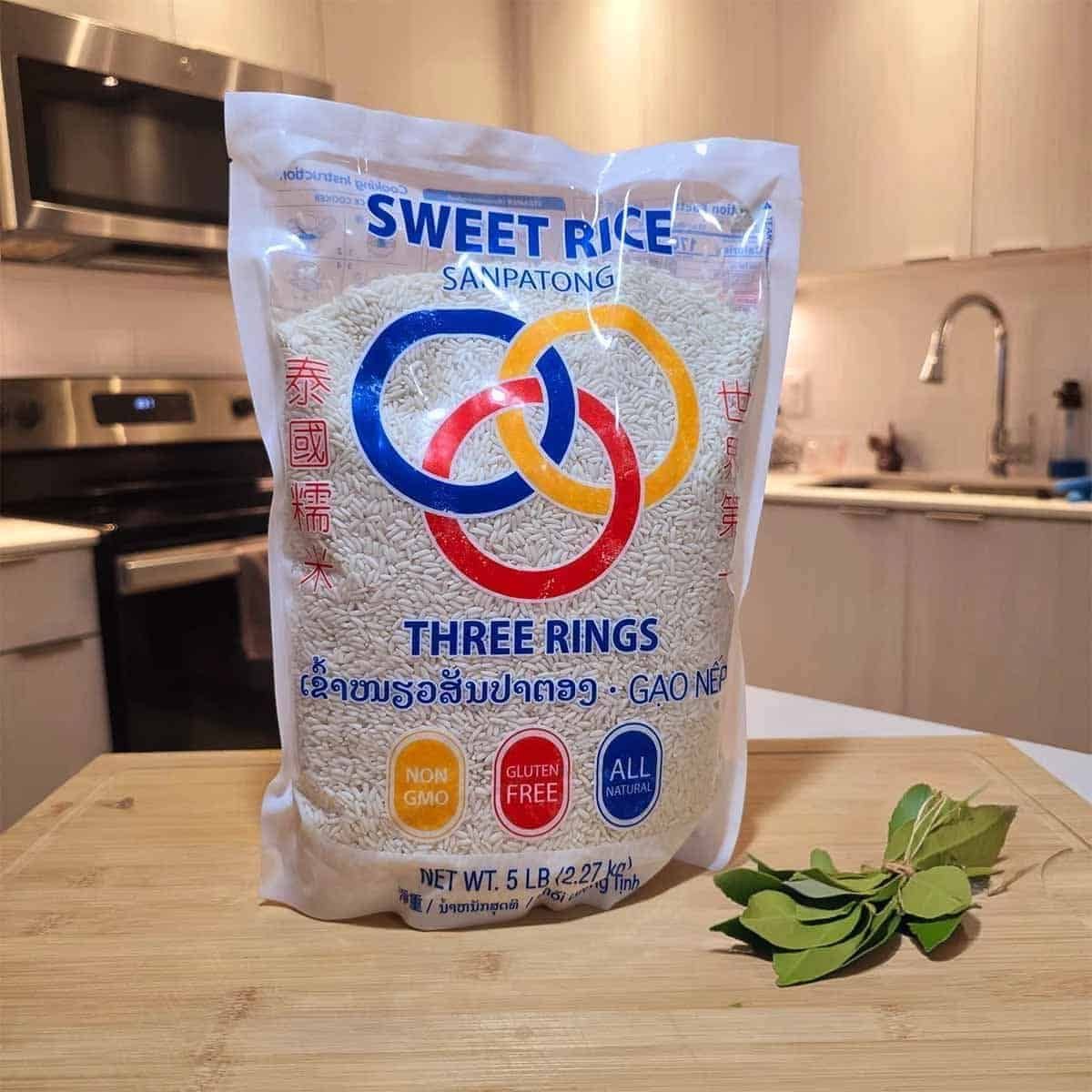
To create the perfect Roasted Rice Powder (Khao Khua), you’ll need glutinous rice, which toasts to a beautiful golden brown, releasing a nutty aroma and flavor. In addition, optional ingredients like kaffir lime leaves and lemongrass can be added for an extra layer of fragrance. See the recipe card for exact quantities.
Preparation of Rice Drying the Rice
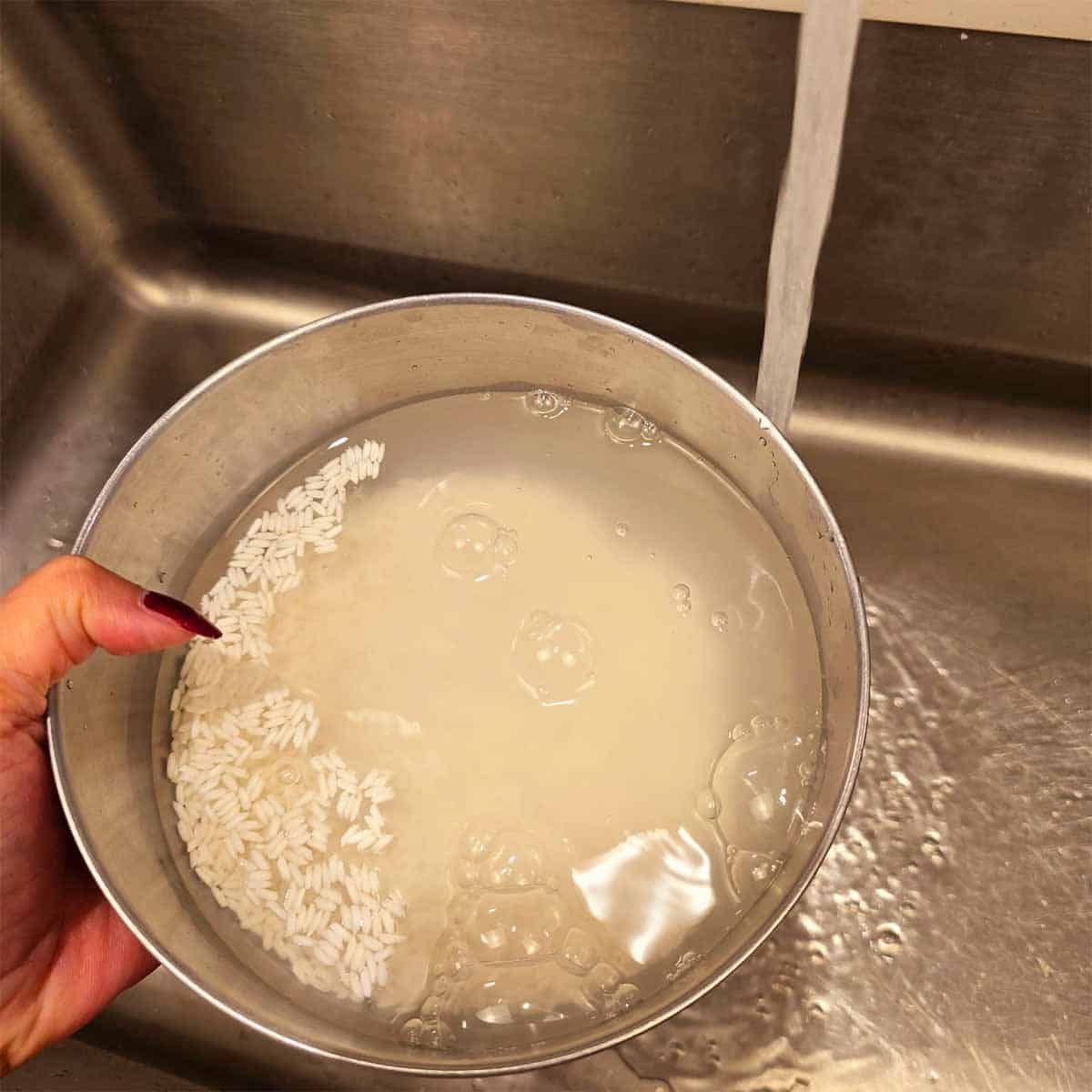
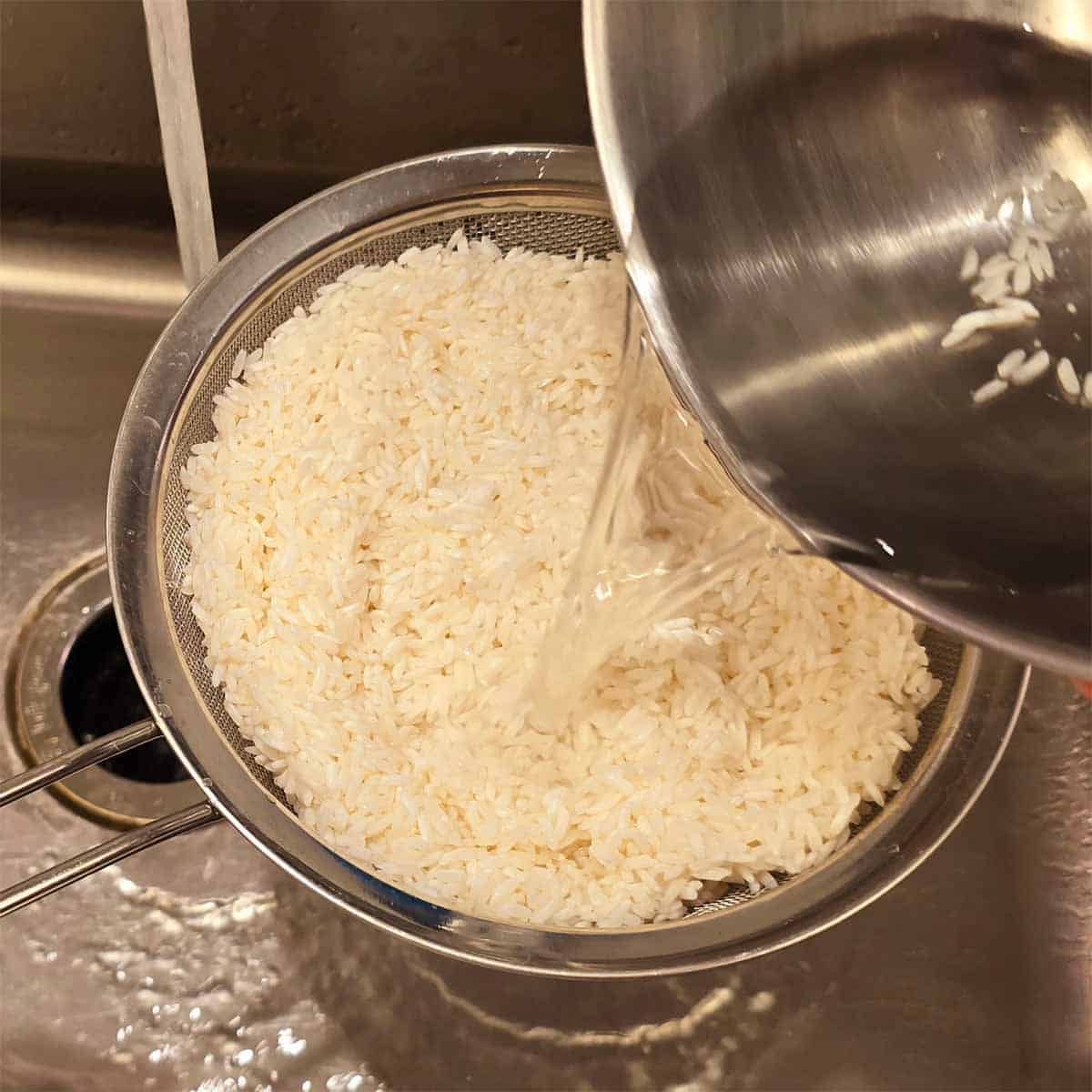
1.Begin by rinsing the sticky rice under cold water until the water runs clear. This removes excess starch and prevents clumping.
2.Spread the rinsed rice on a clean cloth or a sieve and let it air dry for about 30 minutes.
Cooling and Grinding Toasting the Rice
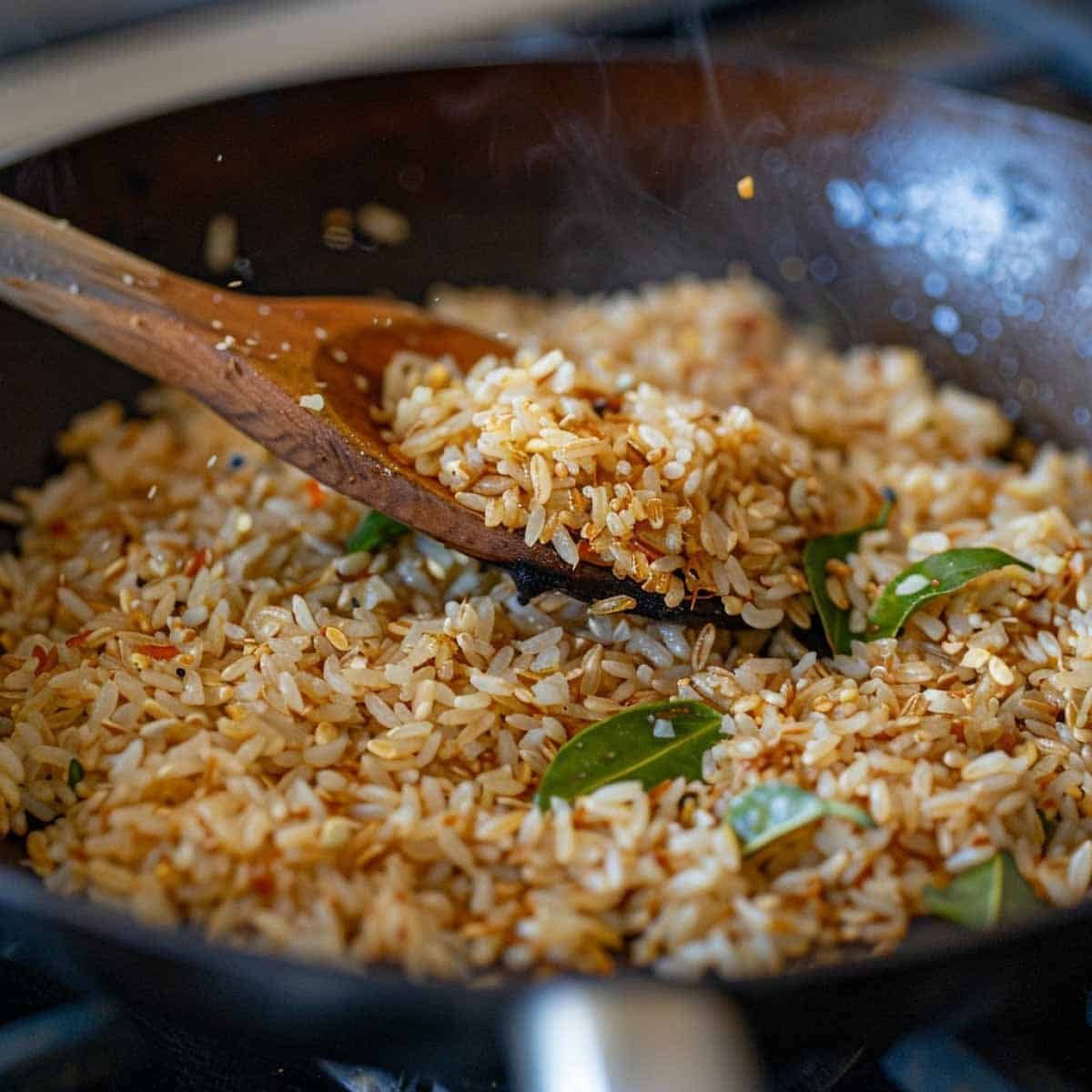
Heat a skillet over medium heat. Add the dry rice (and optional kaffir lime leaves). Stir continuously for 15-20 minutes or until the rice turns a golden brown and smells nutty.
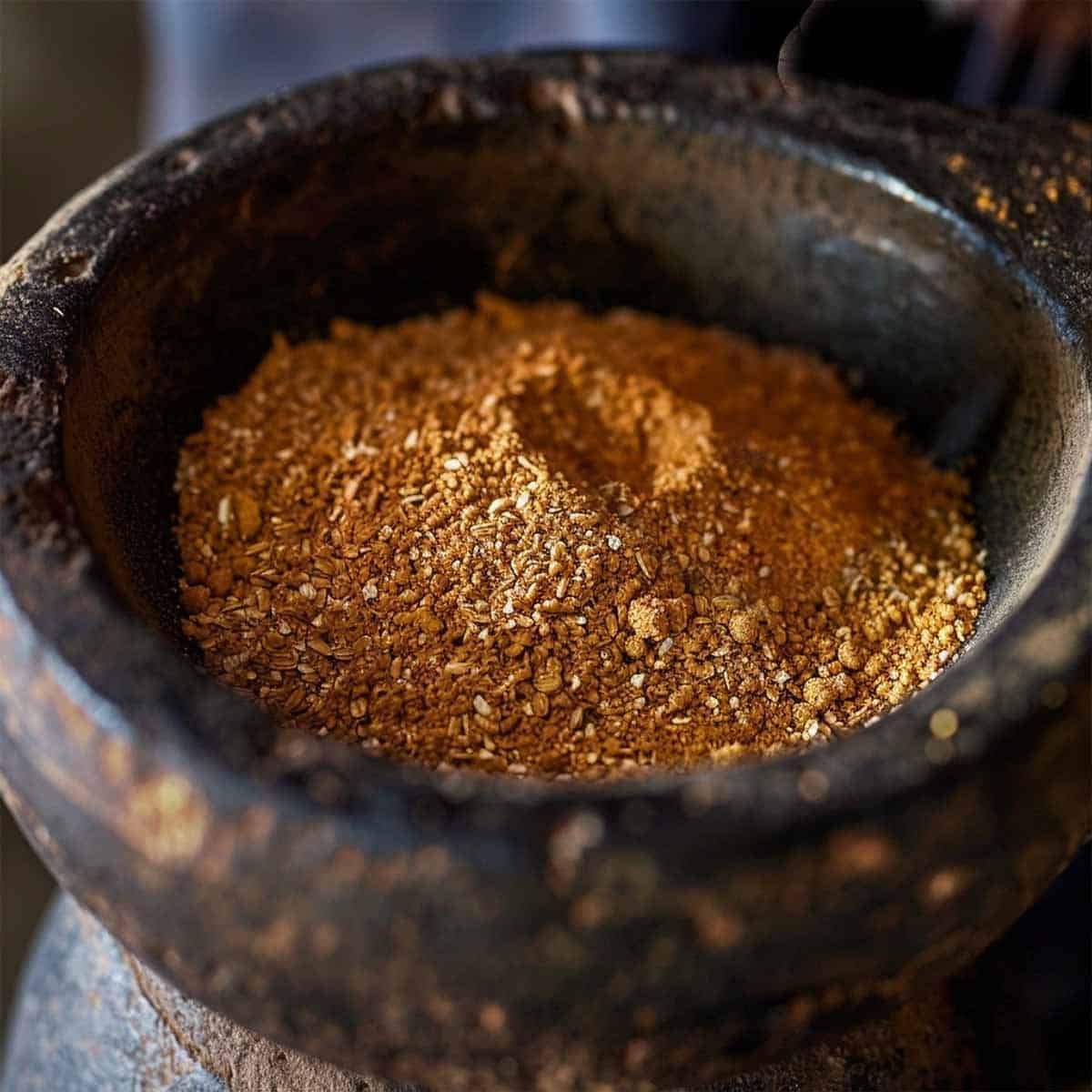
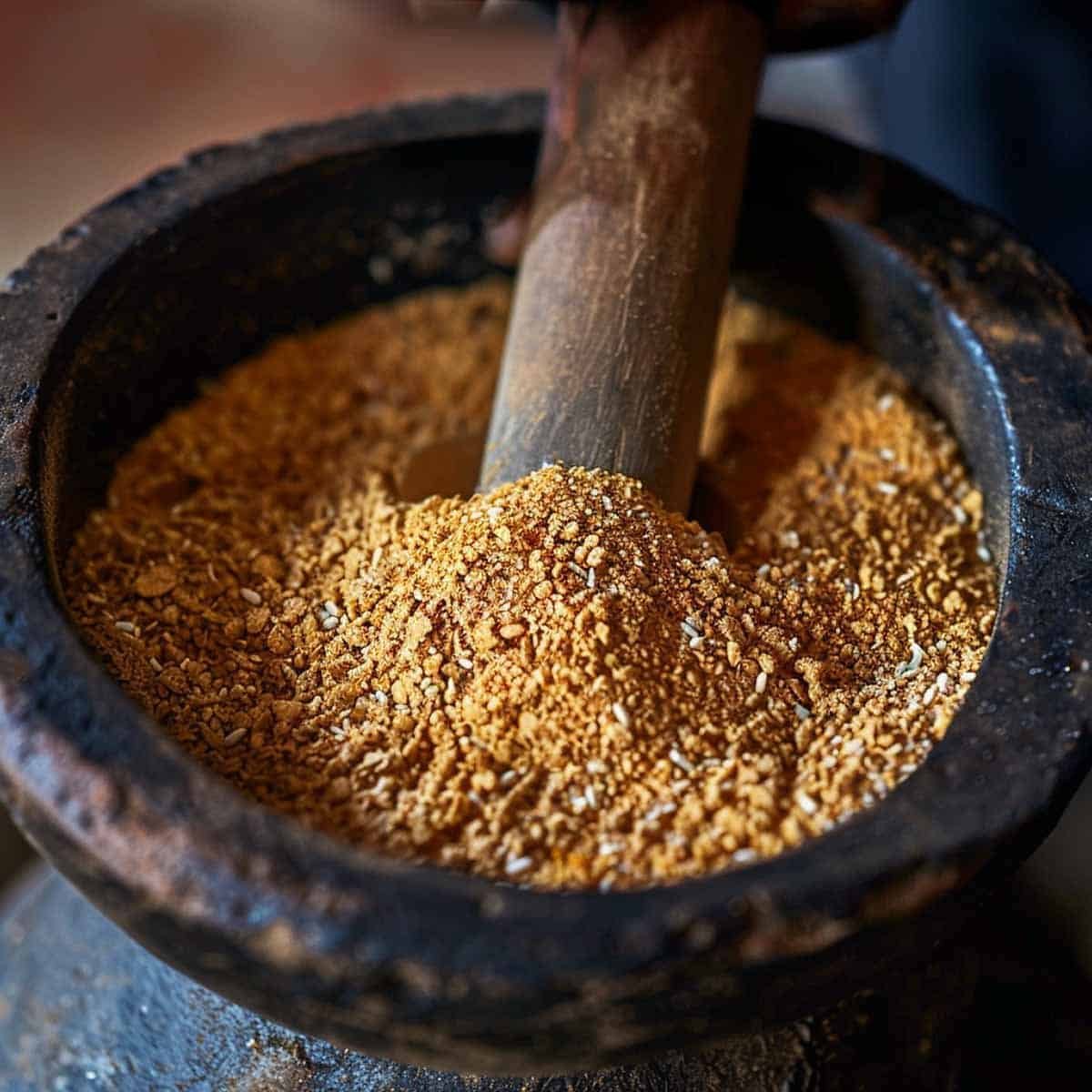
Allow the toasted rice to cool completely. Then, grind the rice into a coarse powder using a spice grinder, or a mortar and pestle.
Finish and Serve: Elevate Your Dishes with Roasted Rice Powder
Sprinkle Roasted Rice Powder (Khao Khua) over salads, soups, or grilled meats to add a nutty, toasty flavor and delightful crunch. This versatile powder enhances the texture and taste of your dishes, making them irresistibly delicious.
Tips for Authenticity and Customization For Roasted Rice Powder (Khao Khua)
Using Authentic Ingredients
To achieve the authentic flavor of Roasted Rice Powder (Khao Khua), it’s crucial to use glutinous rice, also known as sticky rice. This rice toasts beautifully and provides the desired nutty flavor and crunchy texture. In addition, adding kaffir lime leaves or lemongrass can enhance the aroma and complexity, giving your dishes a truly authentic Thai touch.
Adjusting Spiciness and Flavors
While Roasted Rice Powder (Khao Khua) isn’t spicy, it significantly balances flavors in many Thai dishes. To adjust the spiciness, consider the other ingredients in your dish. If you’re adding Khao Khua to a spicy salad, you can control the heat by adjusting the amount of chili used. Khao Khua’s nutty flavor complements spicy dishes, making it a versatile addition that enhances overall flavor.
Substitutions
If you have dietary restrictions, you can make a few substitutions. For a gluten-free version, ensure your glutinous rice is certified gluten-free. If you’re avoiding grains altogether, try using toasted quinoa or millet as a substitute, though the flavor and texture will differ slightly. For added flavor without the optional kaffir lime leaves or lemongrass, consider using dried lemon zest or a pinch of lemongrass powder.
Alternative Garnishes
Roasted Rice Powder (Khao Khua) is a fantastic garnish, but you can experiment with alternatives. Toasted sesame seeds add a similar nutty flavor and a bit of crunch. Similarly, crushed peanuts provide a hearty texture and complement many Thai dishes. For a unique twist, try using fried shallots or garlic, which offer a crispy texture and savory taste.
Roasted Rice Powder (Khao Khua): Pairing, Serving, and Storage Tips.
Pairing Suggestions and Side Dishes
- Larb Gai (Thai Salad): The crunch of Khao Khua perfectly complements this salad’s spicy and tangy flavors.
- Tom Yum Soup: Adds a delightful texture to the rich and aromatic broth.
- Som Tum (Green Papaya Salad): Enhances the fresh, zesty flavors with a nutty crunch.
- Nam Tok (Waterfall Beef Salad): Complements the savory and spicy beef with added depth.
How to Serve
Serve Roasted Rice Powder in a small bowl as a side condiment or sprinkle it directly over dishes like larb, soups, or salads.”It adds a nice crunch and brings out a rich flavor.” You can also mix it into marinades or use it as a coating for fried foods to add an extra layer of texture.
Reheating Options
Roasted rice powder is best enjoyed fresh, but if you need to reheat it gently in a dry skillet over low heat. This will help restore its crispness without burning.
Make-Ahead and Storage
Roasted Rice Powder can be made and stored in an airtight container at room temperature for up to two weeks. To maintain its crispness, ensure it is completely cool before storing it. Visit foodsafety.gov for more information.
Required Kitchen Equipment
- Skillet: For toasting the rice.
- Spice Grinder or Mortar and Pestle: This is used to grind the toasted rice to the desired texture.
Khao Khua ข้าวคั่ว Thai Roasted Rice Powder
Equipment
- Dry heavy skillet or wok
- spice grinder or mortar and pestle
- airtight glass jar for storage
Ingredients
- 0.5 cup raw glutinous sticky rice, unsoaked, completely dry
Instructions
- Start the dry toast: Place the raw dry sticky rice in a heavy skillet or wok over medium to medium low heat. Do not add any oil, this is a completely dry toast. Spread the rice in an even layer across the bottom of the pan.
- Toast until deep golden, be patient: Stir the rice constantly and patiently, do not walk away from this pan. After about 3 to 4 minutes the rice will begin to turn opaque and smell faintly nutty. Keep going. After 8 to 10 minutes the grains should be a deep, even golden brown, the color of pale caramel, and your kitchen should smell extraordinarily good. Like toasted popcorn crossed with something warm and nutty and deeply satisfying. Remove from heat immediately and transfer to a plate to cool. Left in the hot pan it will continue cooking and can burn.
- Cool completely then grind: Once completely cool, this is important, hot rice will turn to paste in the grinder rather than powder, transfer to a spice grinder or mortar and pestle. Grind to a coarse, sandy powder with visible texture. Pulse in short bursts if using a spice grinder rather than running it continuously. Taste a pinch, it should be nutty, slightly smoky, and deeply fragrant.
- Store and use: Transfer to a clean airtight glass jar and label it with the date. Store at room temperature away from direct heat or sunlight. Use within 4 weeks for the best flavor, though in most kitchens a jar of khao khua never lasts that long.
Notes
- Glutinous sticky rice is the traditional and correct choice for khao khua. It has a starchier, more fragrant quality than regular jasmine rice when toasted and produces a powder with the right texture and flavor. Regular jasmine rice can be used in a pinch and works reasonably well, but if you are making the effort, use the right rice.
- Low and slow is the only way. This is not a high-heat recipe. Toast the rice over medium to medium-low heat, stirring constantly and patiently. Rushing it over high heat will brown the outside while leaving the inside raw and starchy, the powder will taste burnt rather than nutty. You are looking for a deep, even golden color all the way through each grain, which takes a full 8 to 10 minutes of gentle toasting. The smell is your guide, when your kitchen smells like toasted popcorn and warm nuts, you are almost there.
- How coarse should the grind be? Khao khua should be ground to a coarse, sandy powde, not fine like flour. You want visible texture. In Isaan cooking it is often ground quite roughly in a mortar and pestle, leaving some grains partially intact. A spice grinder gives more control, pulse rather than run continuously and stop while there is still texture.
- How to use it: Sprinkle over Larb, Nam Tok, and other Thai meat salads. Stir into dipping sauces for body and nuttiness. Add to Isaan style soups for a subtle thickening effect. Use as a coating for grilled meats. Once you start using it you will find reasons to add it to everything.
- Storage: Store in an airtight glass jar at room temperature for up to 4 weeks. The fragrance fades over time, freshly made khao khua has a warmth and nuttiness that pre-made versions simply cannot match. Make small batches regularly rather than one large batch that sits too long.
- Make extra: This recipe makes enough for several uses. Double or triple the quantity while you have the pan out. It takes no extra effort and having a well-stocked jar means your Larb and Nam Tok are always minutes away.
Nutrition
Tasting Notes
Visual:
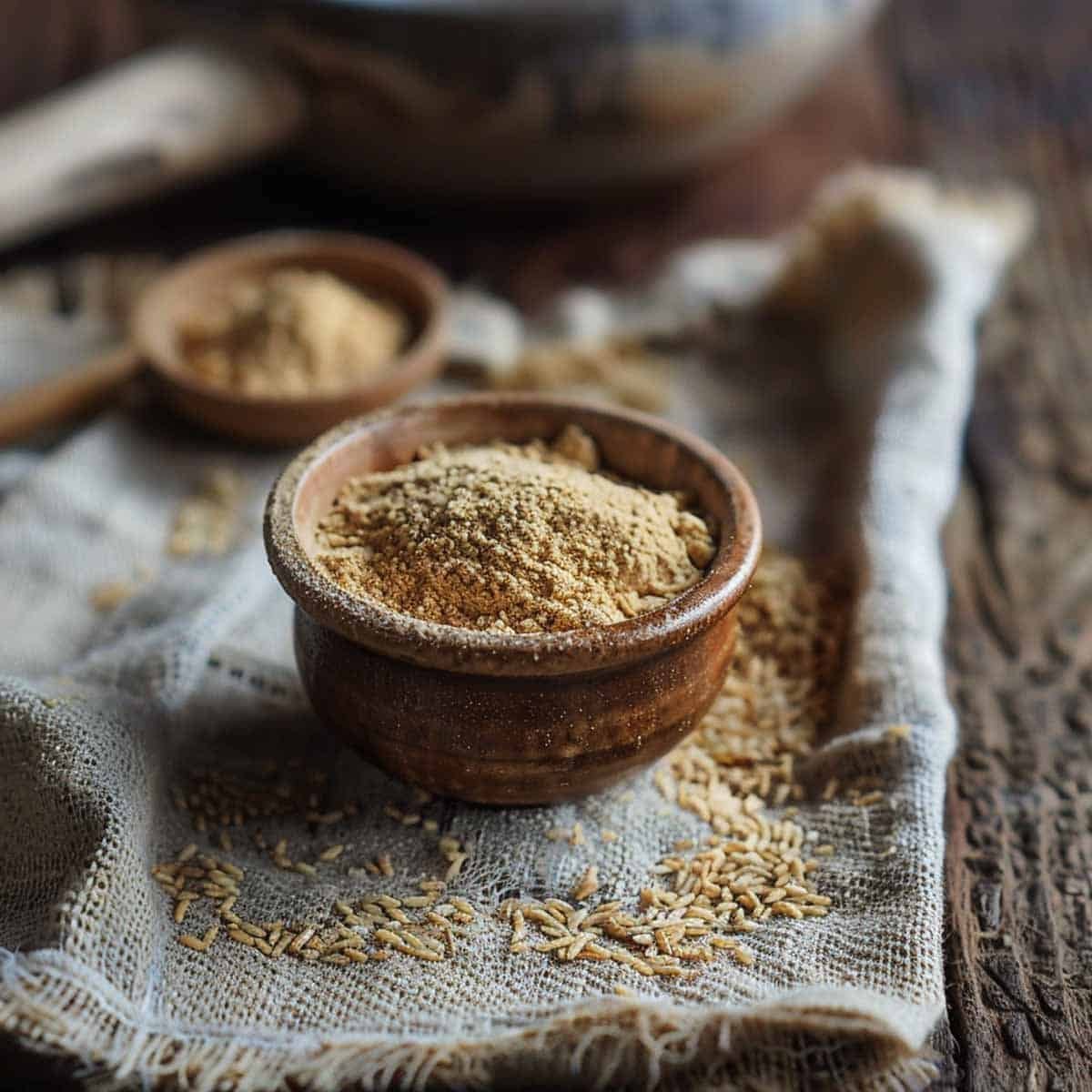
The powder is a feast for the eyes, boasting a beautiful golden brown hue with a slightly coarse and uneven texture. Specifically, the tiny grains catch the light, showcasing their rich, roasted coloration. Thus, this visual appeal, reminiscent of a sun-kissed field, hints at the depth of flavor contained within each granule, setting the stage for a delightful culinary experience.
Aroma: The aroma is a captivating blend of nutty and toasty notes. Specifically, it exudes the warm, comforting scent of freshly roasted nuts and a subtle hint of smokiness. Consequently, this inviting fragrance sets the stage for the rich taste experience that follows.
Taste: On the palate, roasted rice powder offers a complex flavor profile. Specifically, it delivers a rich, nutty taste with an underlying smokiness that adds depth and character. Additionally, there’s a gentle sweetness from the rice itself, which balances the robust roasted flavors. As a result, this combination creates a harmonious blend of earthy and sweet notes. For instance, it can be sprinkled over a bowl of steaming hot pho to add a nutty depth, or mixed into a marinade for grilled meats to add a smoky richness. Therefore, the possibilities are endless with this versatile ingredient.
Texture:The texture is one of its standout features. Coarse and somewhat crunchy, it adds a delightful contrast to the dishes it garnishes. Each granule retains a slight crunch, enhancing the overall mouthfeel and providing an interesting tactile element that complements both soft and crunchy foods alike. This unique texture ensures that the roasted rice powder not only enhances flavor but also adds a pleasing textural component that is a must-try for any culinary enthusiast.
FREQUENTLY ASKED QUESTIONS FOR ROASTED RICE POWDER
Use uncooked glutinous rice, also known as sticky rice, for making Khao Khua. This type of rice provides the best texture and flavor for the roasted rice powder.
While it’s possible to use regular rice, glutinous rice is preferred for its unique texture and nutty flavor when roasted. Regular rice may not yield the same results.
Khao Khua is commonly used in Thai salads like Larb and Nam Tok. Moreover, it adds a distinctive toasted flavor and a slight crunch to these dishes.