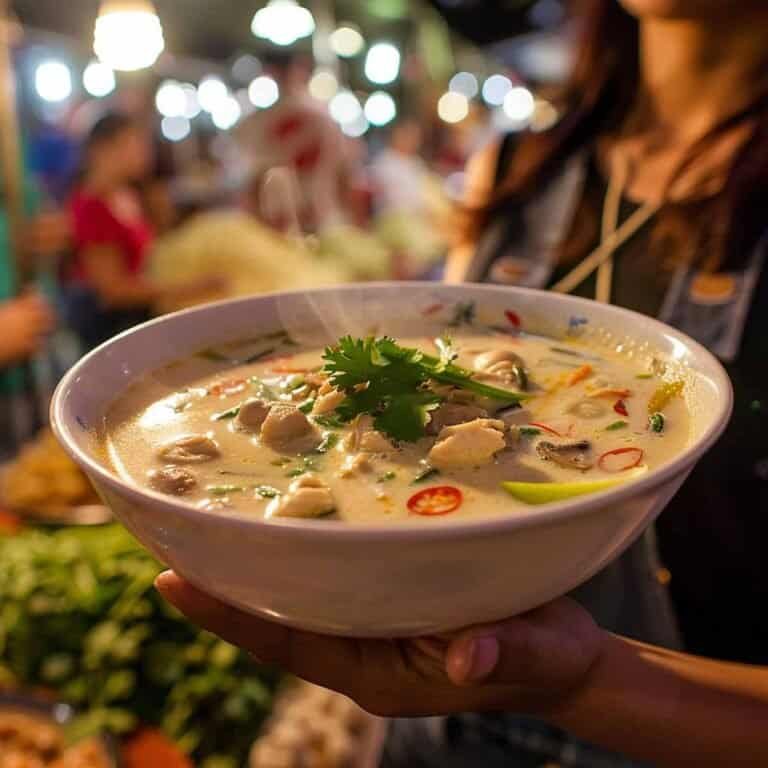

What Is Khao Man Gai?
Khao Man Gai, ข้าวมันไก่, is Thai chicken and rice: whole chicken poached in a fragrant ginger and garlic broth until tender, the rice cooked in that same broth until it absorbs every bit of its flavor, served with a dark savory dipping sauce and a cup of the clear broth alongside. Simple. Complete. Comfort from the first spoonful.
Note From Susie

Sawasdee Kha, and Hello.
This was one of my favorites from the very beginning.
Not something I grew into or learned to love over time, this one found me early, when I was a young child and the world of food was still new. The broth and the soft rice were easy to love. Warm and gentle and simple, the kind of food that wraps around you without asking anything in return. My mother’s ginger and garlic broth filling the kitchen, the rice absorbing every bit of it, the whole thing arriving at the table quiet and complete.
My mother made this at home and she loved it too. She would eat this every time, with the same quiet certainty she brought to everything she cooked. It was not a special occasion dish. It was simply what appeared when it was wanted, and it was wanted often.
I still make this when I need what this dish gives. The broth. The rice. The chicken. The warmth of it that has not changed since I was small. Some dishes are complicated and interesting. This one is simply right. It has always been right.

What’s In This Page
“This one is simply right. It has always been right.”
— Her Hands His EyesWHAT IS KHAO MAN GAI?
Khao Man Gai, ข้าวมันไก่, is Thai chicken and rice, one of the most quietly beloved dishes in Thai cooking. The name translates directly: khao is rice, man is fat or rich, gai is chicken. The dish is built in two stages from a single pot. Whole chicken is poached in a fragrant broth seasoned with ginger, garlic, onion, and lemongrass until completely tender. Then the rice is cooked in that same broth, absorbing every bit of flavor the chicken has released into it. The chicken is sliced and laid over the rice. A cup of the clear broth is served alongside. A savory dipping sauce of soy sauce, ginger, garlic, and chili is placed on the table.
Khao Man Gai is related to the Hainanese chicken rice found across Singapore, Malaysia, and southern China. The dish came to Thailand through the Chinese immigrant community and has been part of Thai street food culture for generations. In Thailand it is a breakfast and lunch dish as much as a dinner one, sold by street vendors who poach dozens of chickens in the same broth all day, the broth deepening with each bird it holds.
What makes Khao Man Gai what it is, what separates it from plain poached chicken and plain rice, is the broth. The rice cooked in the broth is not the same as rice cooked in water. The chicken poached in a properly spiced broth is not the same as plain poached chicken. Everything in this dish depends on the broth. According to the Oxford Companion to Food, Hainanese chicken rice is one of the most widely distributed dishes of the Chinese diaspora across Southeast Asia, with each country’s version reflecting local flavors and adaptations.
Simple. Complete. The broth does everything.
WHAT YOU’LL NEED
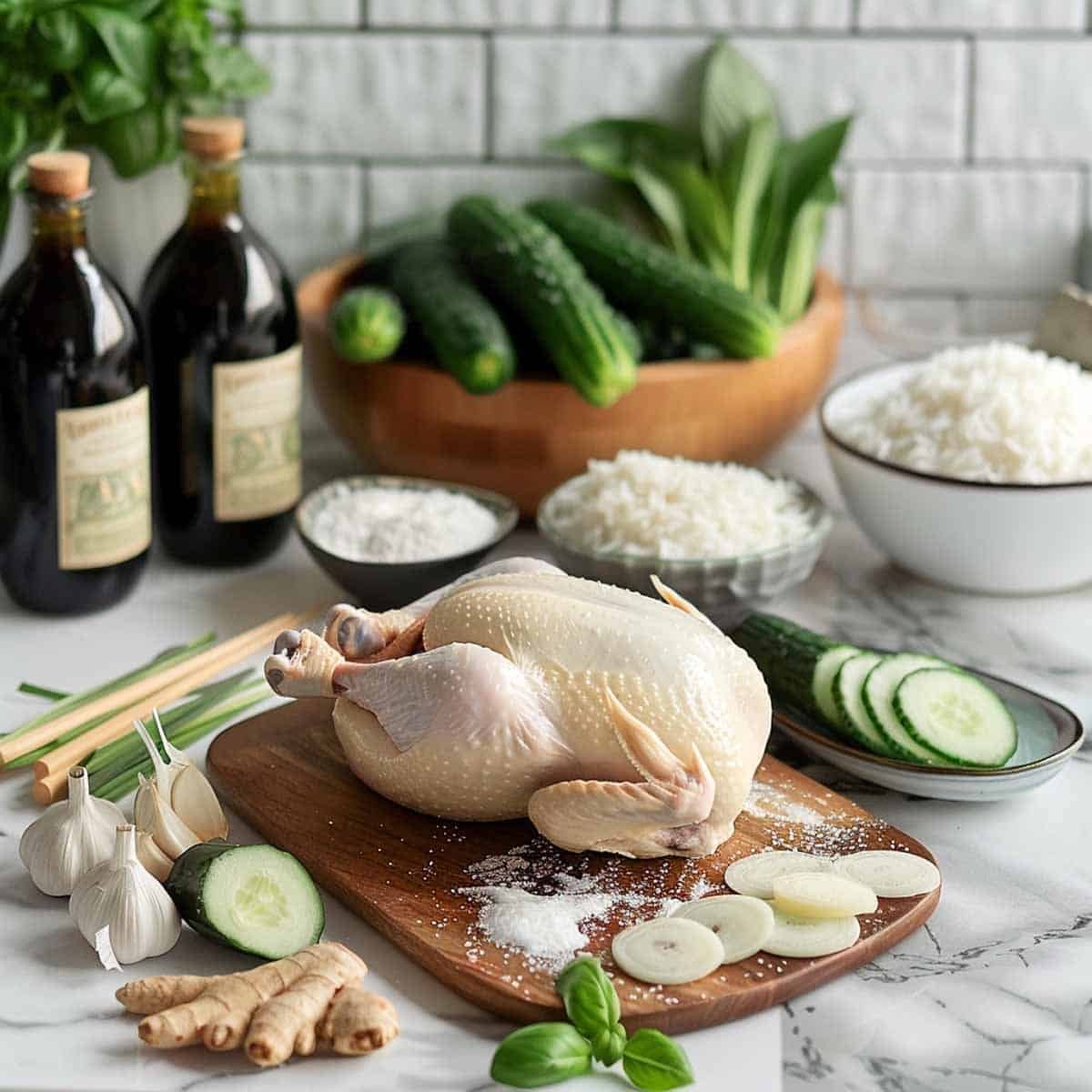
Whole chicken, about three to four pounds. The bones and skin are what makes the broth what it is. They release collagen and fat that give the broth its body and its golden color. The chicken goes into the pot raw and cold, covered with eight cups of water.
Fresh ginger, a two-inch piece, sliced. Garlic, six cloves, peeled. Onion, one whole. Lemongrass, one stalk, chopped. Salt, two tablespoons. Black pepper, one teaspoon. These go into the water with the chicken from the beginning, before the heat goes on.
Jasmine rice, two cups. It cooks in four cups of the reserved chicken broth. The rice absorbs the broth’s fat and flavor as it cooks, producing grains that are slightly glossy, more fragrant, and completely different in character from rice cooked in water. Minced garlic, four cloves, sautéed briefly before the rice and broth go in.
For the sauce: soy sauce, half a cup. Rice vinegar, a quarter cup. Sugar, two tablespoons. Garlic, four cloves, minced. Ginger, two tablespoons, minced. Fresh chili, two tablespoons, chopped, optional. Spring onion, a quarter cup, chopped.
For the cucumber salad: two cucumbers, thinly sliced. Rice vinegar, a quarter cup. Sugar, one tablespoon. Salt, half a teaspoon.
Fresh cilantro and additional chili for garnish.
VISUAL WALK THROUGH
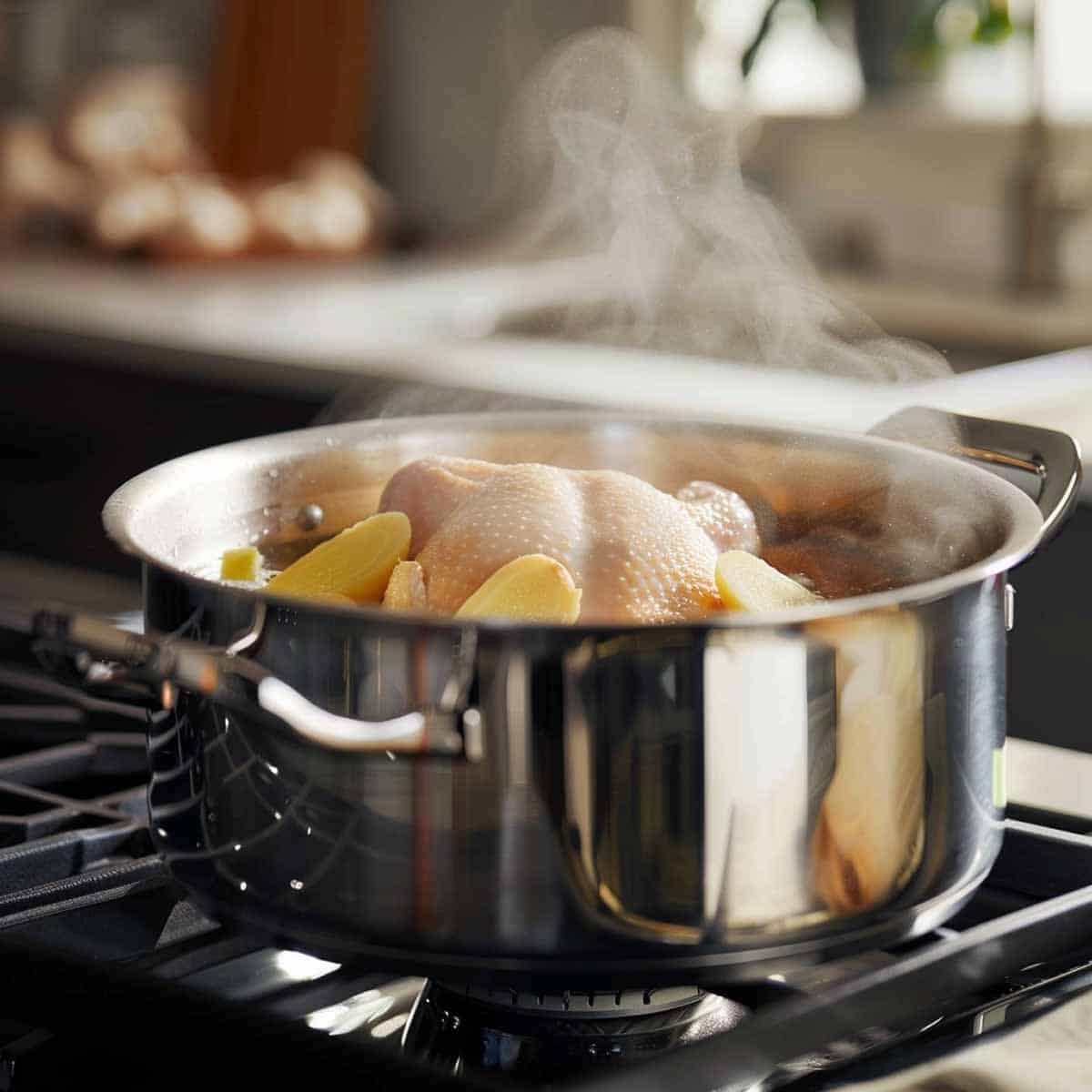
Step 1. Prepare the chicken and build the broth.
Combine the whole chicken, water, ginger, garlic, onion, lemongrass, salt, and pepper in a large pot. Bring to a boil, then reduce the heat and simmer for about forty-five to sixty minutes until the chicken is fully cooked and tender. Skim off any foam that rises to the surface during cooking. Once done, remove the chicken from the broth and let it cool slightly before carving into pieces. Reserve the broth for cooking the rice.
★ Step 2. Cook the rice in the chicken broth. This is What Makes the Difference.
Rinse the jasmine rice under cold water until the water runs clear. In a large pot, heat a tablespoon of neutral oil over medium heat, then add the minced garlic. Add the rice and stir for about two minutes until the grains are lightly coated. Pour in four cups of the reserved chicken broth, bring to a boil, then cover and reduce to a simmer. Cook for fifteen to twenty minutes until the rice is tender and has absorbed all the liquid. Fluff with a fork before serving.
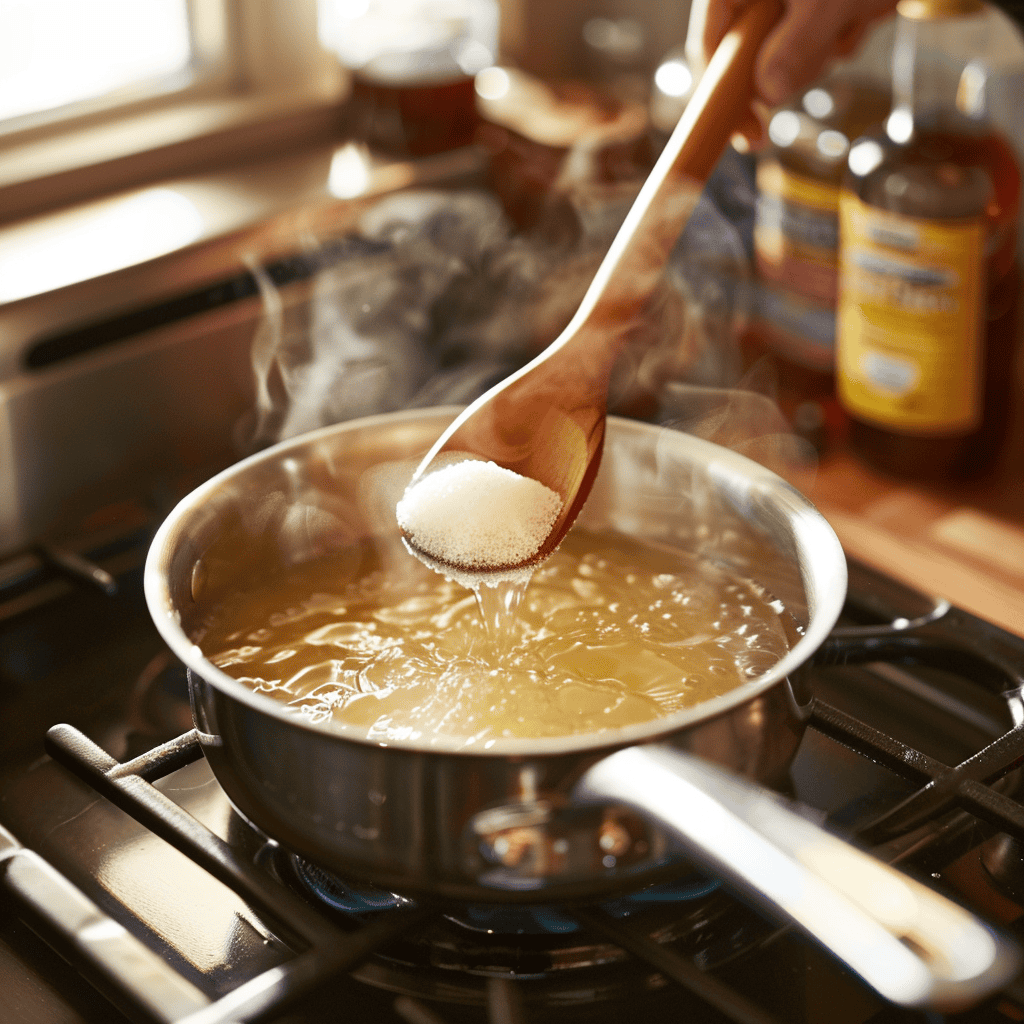
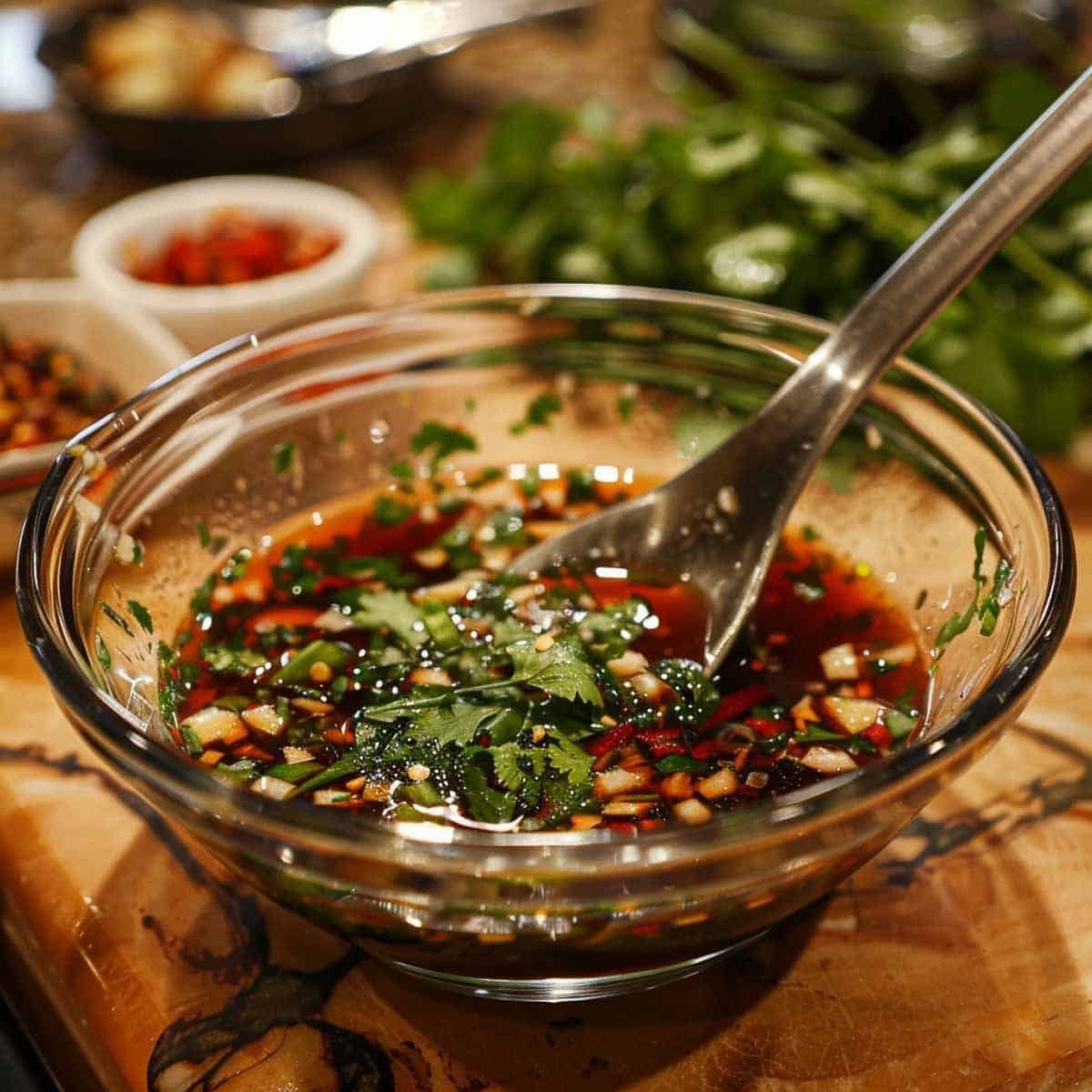
Step 3. Make the sauce.
While the rice is cooking, prepare the sauce. In a small bowl, combine the soy sauce, rice vinegar, sugar, minced garlic, ginger, chopped fresh chili if using, and spring onions. Stir well to dissolve the sugar and combine all the flavors. Adjust the seasoning to taste, balancing the saltiness, sweetness, and acidity.
Step 4. Prepare the cucumber salad.
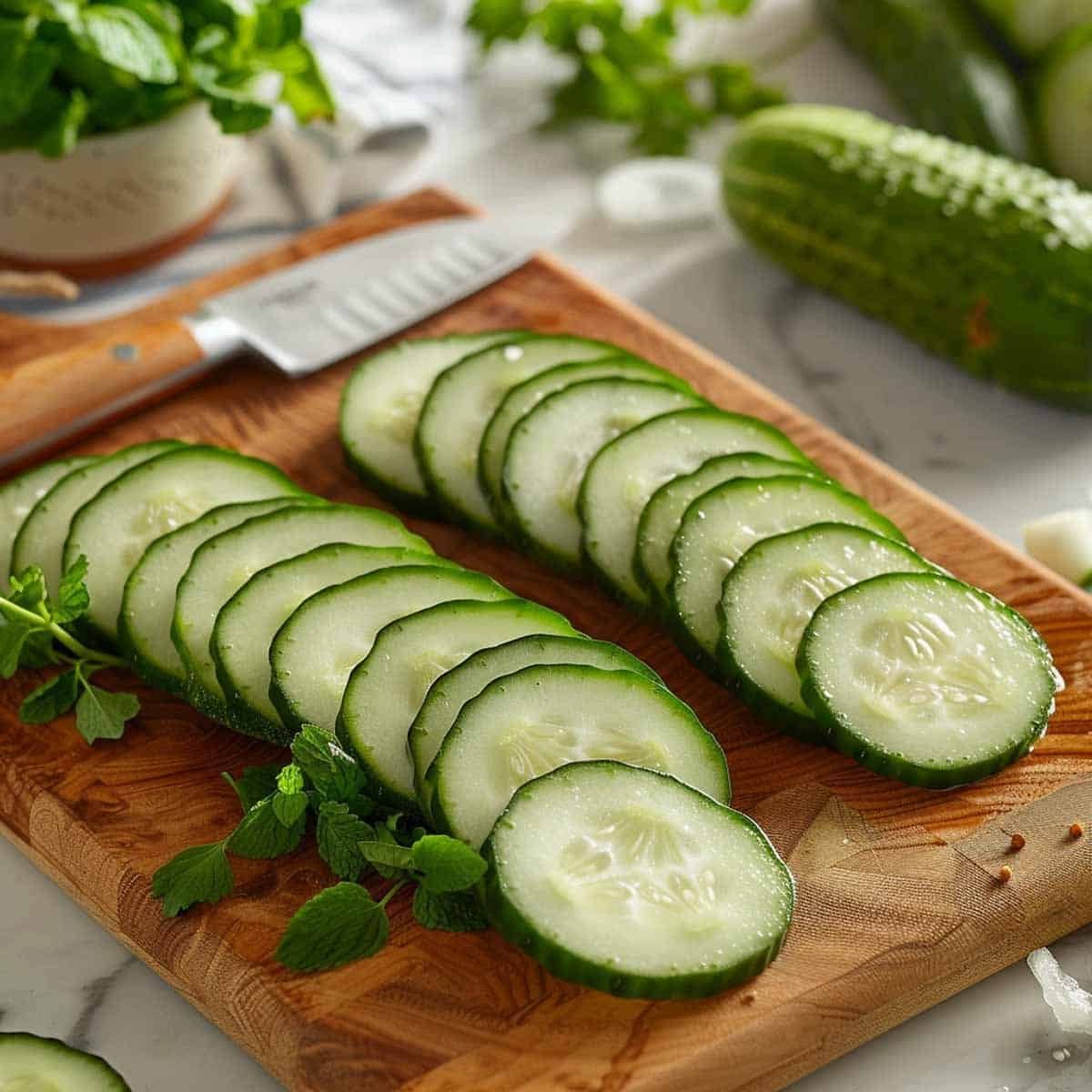
For a refreshing side, make the cucumber salad. In a bowl, combine the sliced cucumbers, vinegar, sugar, salt, and Thai chilies if using. Mix well to combine and let the salad sit for at least ten minutes.
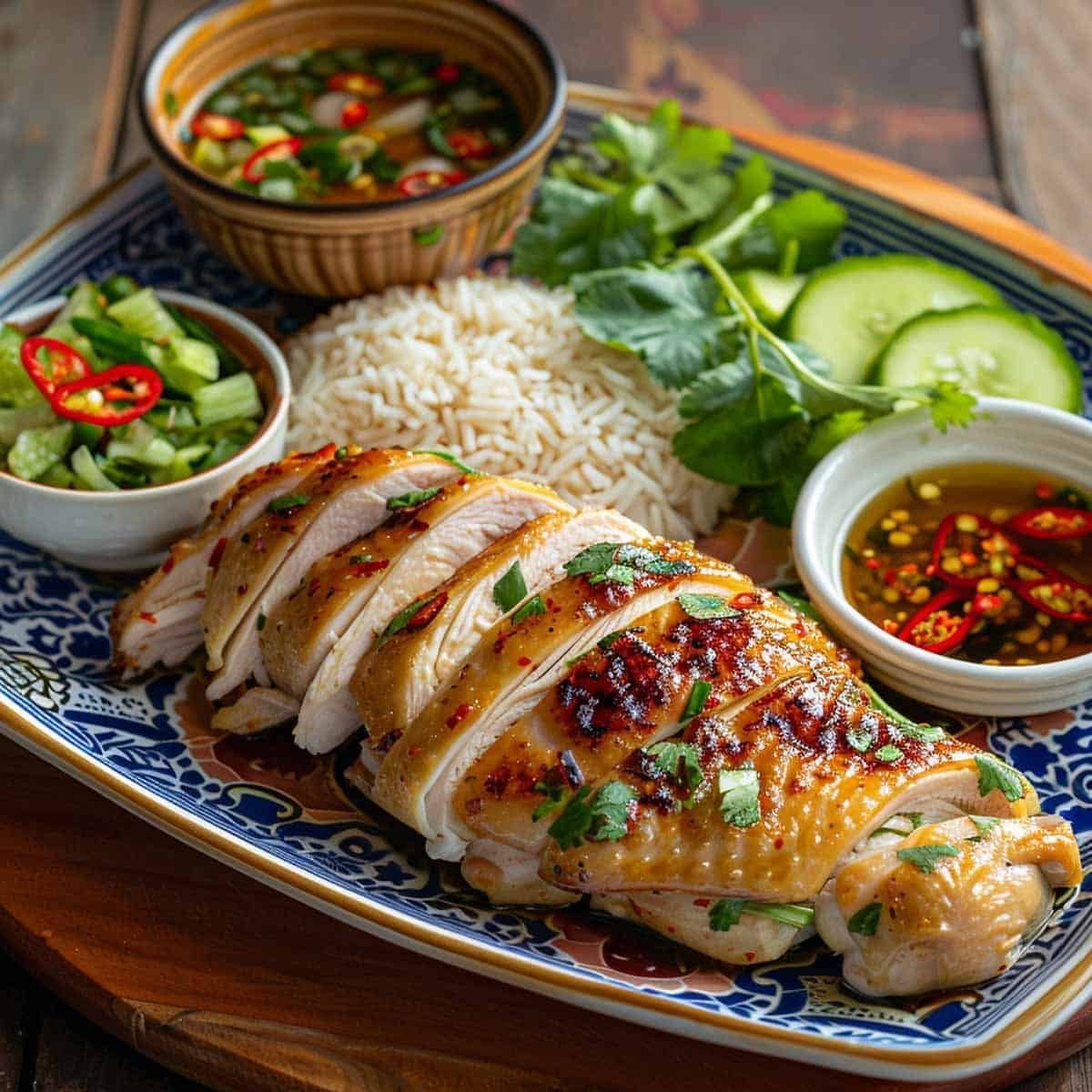
Step 5. Assemble and serve.
To serve, place a generous portion of the rice on each plate, topped with slices of poached chicken. Serve with the dipping sauce on the side and a small cucumber salad. Garnish with fresh cilantro and additional chili if desired. A small cup of the warm reserved broth alongside each serving is the traditional finish.
Thai Chicken and Rice (Khao Man Gai)
Ingredients
For the Chicken and Rice:
- 1 whole chicken about 3-4 pounds
- 8 cups water
- 2- inch piece of ginger sliced
- 6 cloves garlic peeled
- 1 onion
- 1 lemongrass chopped
- 2 tablespoons salt
- 1 tsp black pepper
- 2 cups jasmine rice
- 4 cups chicken broth from cooking the chicken
- 4 cloves garlic minced
For the Sauce:
- 1/2 cup soy sauce
- 1/4 cup rice vinegar
- 2 tablespoons sugar
- 4 cloves garlic minced
- 2 tablespoons ginger minced
- 2 tablespoons fresh chili chopped (optional)
- 1/4 cup spring onion chopped
For the Cucumber Salad:
- 2 cucumbers thinly sliced
- 1/4 cup rice vinegar
- 1 tablespoon sugar
- 1/2 teaspoon salt
Instructions
- Prepare the ChickenCombine the whole chicken, water, ginger, garlic, onion, lemon grass and salt, pepper in a large pot. Bring to a boil, then reduce the heat and simmer for about 45-60 minutes, until the chicken is fully cooked and tender. (Skim off any foam that rises to the surface during cooking). Once done, remove the chicken from the broth and let it cool slightly before carving into pieces. Reserve the broth for cooking the rice.
- Cook the riceRinse the jasmine rice under cold water until the water runs clear. In a large pot, heat a tablespoon of neutral oil over medium heat, then add the minced garlic. Add the rice and stir for a few minutes. Pour in 4 cups of the reserved chicken broth, boil, then cover and reduce to a simmer. Cook for 15-20 minutes until the rice is tender and has absorbed all the liquid. Fluff the rice with a fork before serving.
- Make the sauceWhile the rice is cooking, prepare the sauce. In a small bowl, combine the soy sauce, rice vinegar, sugar, minced garlic, ginger, chopped fresh chili (if using), and spring onions. Stir well to dissolve the sugar and combine all the flavors. Taste it. The sauce should be savory, sharp, and bright.
- Prepare the cucumber salad. For a refreshing side, make the cucumber salad. In a bowl, add cucumbers, vinegar, sugar, salt, and Thai chilies if using. Mix well to combine, let the salad sit for at least 10 minutes.
- Assemble and ServeTo serve, place a generous portion of the rice on each plate, topped with slices of poached chicken. Serve with the ginger-garlic dipping sauce on the side and a small cucumber salad. Garnish with fresh cilantro and additional chili.A small cup of the warm reserved broth alongside each serving is the traditional finish.
Notes
Nutrition
LET’S GET THIS RIGHT
Why does my Khao Man Gai broth taste thin and flat?
The chicken did not have enough time in the broth, or there was not enough salt, or the chicken used was boneless and skinless. The bones and skin are essential for a flavorful broth. They release collagen and fat that give the broth its body and its golden color. Simmer for a full forty-five minutes to one hour. Season with at least two tablespoons of salt and taste before the rice goes in.
Why is my poached chicken tough?
The chicken went into boiling water rather than cold water, or it simmered too vigorously. Khao Man Gai chicken should be silky and yielding. This texture comes from a gentle simmer, not a rolling boil. If the broth is boiling aggressively, the chicken will tighten. Reduce the heat to the point where the surface of the broth barely moves.
Can I use boneless chicken for Khao Man Gai?
You can use boneless thighs for eating convenience, but the broth will be significantly less flavorful without the bones. A practical compromise: use bone-in thighs and remove the bones when slicing for serving. The bones stay in the broth through the full cooking time and the serving is boneless.
What is the dipping sauce for Khao Man Gai made of?
The dipping sauce is built on soy sauce, rice vinegar, sugar, minced garlic, ginger, spring onions, and fresh chili. It is savory, sharp, and slightly spiced, the direct contrast to the gentle poached chicken and fragrant rice. The sauce keeps refrigerated for three days and improves slightly as it sits.
Can I make Khao Man Gai ahead of time?
Yes. The broth improves overnight. Poach the chicken the day before and refrigerate the chicken and broth separately. The next day, bring the broth to a simmer, cook the rice in it fresh, and slice the chicken. The dipping sauce keeps refrigerated for three days. Make everything ahead except the rice, which is always best cooked fresh.
FLAVOR PROFILE
The smell of the broth is the first thing, ginger and garlic and lemongrass in simmering water, warm and clean and specific. Not sharp. Not loud. The kind of smell that fills a kitchen gently, the way comfort food always does before it arrives. My mother’s kitchen smelled this way when she made this. It is a quiet smell. An honest one.
The rice comes out of the pot slightly glossy. The chicken fat absorbed into every grain, the ginger and garlic and lemongrass flavor present without being identifiable. It does not look like plain rice. It does not taste like plain rice. It is the same grain that was plain rice an hour ago and is now something else entirely.
The chicken is tender and yielding. The slow poach having done what rushing cannot achieve. Sliced thin over the rice, each piece carrying the broth’s flavor all the way through.
The dipping sauce arrives sharp and savory against all that gentleness, the soy and ginger and chili cutting through the richness of the rice and the chicken and bringing the whole plate into focus. The broth in the cup alongside is sipped between bites. The cucumber clears the palate.
It is a complete dish. Nothing loud. Nothing competing. Everything exactly where it should be.
SUSIE’S KITCHEN NOTES
The water-to-chicken ratio matters more than it might seem. The chicken should be fully submerged with enough water to produce a generous amount of broth. You need broth for the rice, broth for the cups alongside each serving, and some remaining. Start with enough water to cover the chicken by at least two inches. Eight cups for a three to four pound bird is the starting point.
Resting the chicken after poaching is not optional. The chicken needs at least fifteen minutes of rest before slicing, covered and off the heat. A chicken sliced immediately after poaching will release its juices onto the cutting board and arrive at the table dry. A rested chicken retains its juices and stays moist through the slicing and serving. Fifteen minutes. Cover it. Let it rest.
My mother made this because it was simple and because she loved it. She did not make it because it was easy. She made it because the result was worth the time the broth required. The broth requires time. The time is worth it. That is the only thing this dish asks.
The lemongrass and onion in the broth are not always present in every version of Khao Man Gai, but they add a fragrance and sweetness to the broth that makes the rice cooked in it something more than the version without them. Include them. The broth will be better for it.
PAIRING SUGGESTIONS
Khao Man Gai is a complete meal in itself, the chicken, the rice, the broth, the sauce all arriving together as one system. It does not need additional dishes alongside it the way a curry over rice does. What it wants is quiet company and the broth kept warm. For a fuller table where Khao Man Gai is one of several dishes, the Thai omelet is the simplest addition, eggs and fish sauce alongside the poached chicken and fragrant rice, two gentle dishes that together make a complete meal without either one overwhelming the other. The Tom Kha Gai brings coconut and lemongrass in a soup register, warm and fragrant alongside the clear ginger broth of the Khao Man Gai, two broths at the same table in different characters. And for the drink that belongs with gentle, warm comfort food, the Thai Iced Tea provides the cold sweetness that makes the warmth of the dish feel more complete by contrast. My mother made this because she loved it and because it was the kind of food that gives rather than asks. That is still the reason to make it.
FAQ
What is Khao Man Gai (Thai chicken and rice)?
Khao Man Gai, ข้าวมันไก่, is Thai chicken and rice: whole chicken poached in a fragrant ginger, garlic, onion, and lemongrass broth, with jasmine rice cooked in that same broth until it absorbs all its flavor. The chicken is sliced and served over the rice with a cup of the clear broth alongside and a savory dipping sauce of soy sauce, rice vinegar, ginger, garlic, and chili. It is one of the most beloved comfort dishes in Thai cuisine, sold at street stalls for breakfast and lunch as well as dinner.
How do you make Khao Man Gai step by step?
Combine whole chicken, eight cups water, sliced ginger, peeled garlic, onion, chopped lemongrass, salt, and pepper in a large pot. Bring to a boil, then reduce heat and simmer forty-five to sixty minutes until chicken is fully cooked, skimming foam from the surface. Remove chicken and reserve the broth. Rinse jasmine rice until clear, heat minced garlic until fragrant, add rice and stir a few minutes, then pour in four cups reserved broth and cook covered fifteen to twenty minutes. Make the dipping sauce by combining soy sauce, rice vinegar, sugar, garlic, ginger, chili, and spring onions. Make the cucumber salad. Carve and slice the chicken over the rice and serve with dipping sauce, cucumber salad, and a cup of warm broth alongside.
What is the dipping sauce for Khao Man Gai?
The Khao Man Gai dipping sauce is made from soy sauce, rice vinegar, sugar, minced garlic, minced ginger, chopped fresh chili, and spring onions, stirred together until the sugar dissolves. It is savory, sharp, and the necessary contrast to the gentle poached chicken and fragrant rice. The sauce keeps refrigerated for three days and improves slightly as it sits.
What is the difference between Khao Man Gai and Hainanese chicken rice?
Khao Man Gai is the Thai adaptation of Hainanese chicken rice. The core method is the same, chicken poached in broth and rice cooked in that broth. The Thai version is distinguished by its dipping sauce and the addition of lemongrass and onion to the poaching broth. The Thai broth is typically more fragrant and the sauce uses rice vinegar alongside soy sauce rather than the multiple separate sauces served with the Singaporean or Malaysian versions.
Why is the rice in Khao Man Gai different from plain steamed rice?
The rice in Khao Man Gai is cooked in the chicken poaching broth rather than plain water. The broth contains the fat rendered from the chicken skin and bones, as well as the ginger, garlic, and lemongrass that have been simmering for an hour. The rice absorbs all of this. The fat makes the grains slightly glossy and rich, the aromatics give the rice a warmth and depth that plain water cannot produce. This rice is the reason the dish is called khao man, fat rice.
Can I make Khao Man Gai ahead of time?
Yes. The broth improves overnight and the chicken slices more cleanly when cold. Poach the chicken the day before, refrigerate the chicken and broth separately, and cook the rice fresh the next day in the reheated broth. The dipping sauce keeps refrigerated for three days. Make everything ahead except the rice, which is always best cooked fresh in the broth just before serving.
Is Khao Man Gai a good dish for children?
Yes. Khao Man Gai is one of the gentlest and most approachable dishes in Thai cooking. The poached chicken is tender and mild. The rice is fragrant but not spiced. The broth is warm and clean. The dipping sauce can be served on the side for adults while children eat the chicken and rice without it. It was one of the first Thai dishes I loved as a young child, simple, warm, and easy to understand from the very first bite.