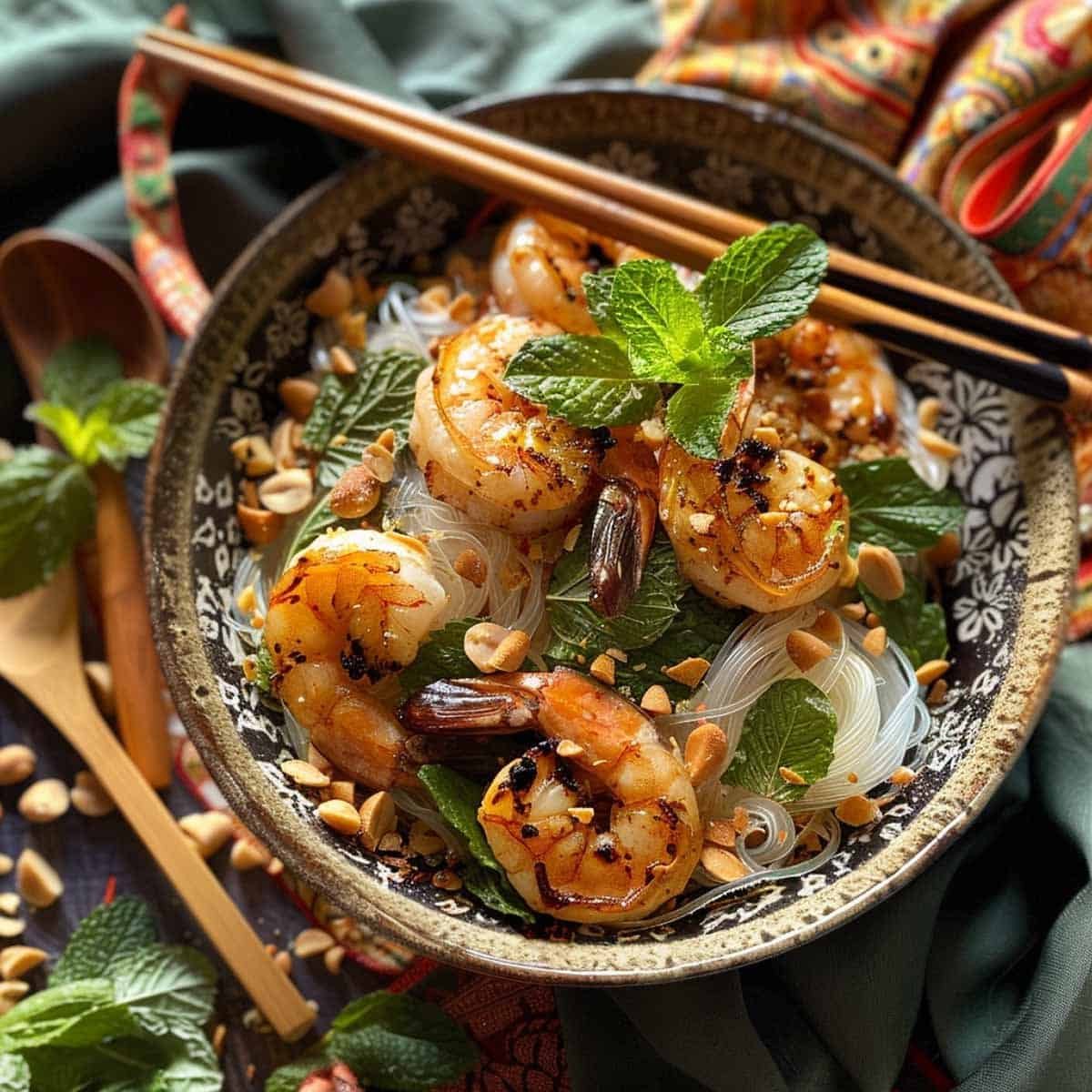
What Is Yum Woon Sen?
Yum Woon Sen, ยำวุ้นเส้น, is a Thai glass noodle salad built on soaked mung bean noodles tossed while warm with shrimp, ground pork, fish sauce, lime juice, fresh chilies, tomatoes, celery, shallots, and cilantro. It is sour first, savory second, and full of textures. The noodles go translucent when soaked. The lime is never enough until it is exactly right.
Note From Susie

Sawasdee Kha, and Hello.
I would sit on the mat and pick through it.
My mother and her sisters made Yum Woon Sen at home. I do not remember finding it anywhere else, only there, only on that mat, only in that bowl that was too complex for a small child to take all at once. So I did what small children do: I found my way into it piece by piece. I would eat the noodles. I would ask for more lime, the sourness was the thing I understood first and wanted most. I would pick out the shrimp, set them to one side. I would find the yummy pieces, the ones I could not have named but recognized by texture and by taste, and I would keep finding them until the bowl was gone.
So many textures in one dish. The slippery noodles and the tender shrimp and the crunch of the carrots and the soft collapse of the tomato when the lime juice had been working on it. A small child learning about food picks through all of that, taking what makes sense and leaving what does not yet.
The lime made sense. It always did.
I understand the whole bowl now. I eat everything in it. But I still squeeze more lime than the recipe calls for, because that is who I have always been with this dish, and I see no reason to change.

What’s In This Page
“The lime made sense. It always did.”
— Her Hands His EyesWhat Is Yum Woon Sen?
Yum Woon Sen, ยำวุ้นเส้น, is a Thai glass noodle salad and one of the most texturally complex dishes in Thai home cooking. Woon sen are mung bean noodles, thin, translucent when soaked, slippery and yielding in a way that no other noodle quite replicates. They are soaked in warm water until soft, then briefly cooked and tossed while still warm with a dressing of fish sauce, lime juice, and fresh chilies, mixed with shrimp, ground pork, tomatoes, celery, shallots, dried shrimp, and fresh cilantro. The warmth of the noodles helps the dressing absorb. The lime is generous. The result is sour, savory, slightly sweet from the shrimp, and full of contrasting textures in every bite.
What distinguishes Yum Woon Sen from other Thai salads is the noodle. Where larb is built on meat and herbs and toasted rice powder, and som tum on shredded papaya, Yum Woon Sen is built on the glass noodle’s particular quality: translucent, slightly slippery, absorbing the dressing completely while maintaining a gentle resistance. The noodle is not a vehicle for the other ingredients. It is an ingredient itself, doing its own work.
Yum Woon Sen is eaten at room temperature or slightly warm, never hot, never cold. The lime juice is the backbone. According to the Oxford Companion to Food, glass noodles made from mung bean starch are one of the most widely used noodles in Southeast Asian cooking, found across Thai, Vietnamese, Chinese, and Korean cuisines in various preparations.
The lime is never enough until it is exactly right. Add more than you think you need.
What You’ll Need
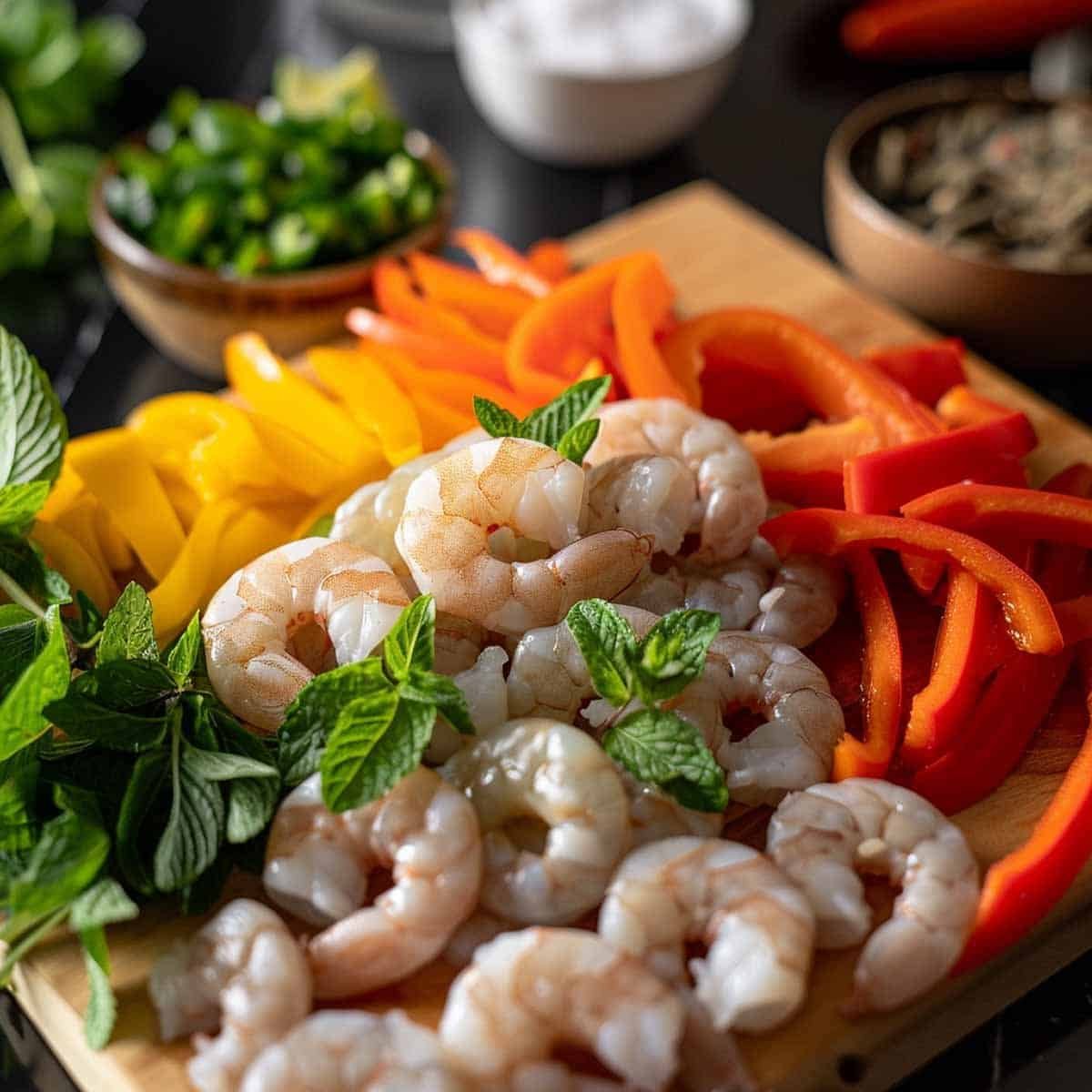
Dried glass noodles, four ounces, woon sen or mung bean vermicelli, soaked in warm water ten minutes and drained. They turn completely translucent when soaked. Cut into shorter lengths after soaking with kitchen scissors. Set aside.
Ground pork, half a pound, optional. Medium shrimp, half a pound, peeled and deveined. Both cooked separately.
Shallots, three, very thinly sliced. Carrot, one medium, julienned or grated. Green onions, three, sliced. Garlic, three cloves, minced. Bean sprouts, two cups. Fresh cilantro, one handful, roughly chopped. Fresh mint leaves, one handful. Dried shrimp, three tablespoons, kung haeng, available at Asian grocery stores, adding concentrated savory depth. Roasted peanuts, three tablespoons, roughly crushed, for garnish.
The dressing: fresh lime juice, three tablespoons, squeezed just before use. Fish sauce, two tablespoons. Sugar, one teaspoon. Fresh Thai bird’s eye chilies, finely sliced.
Two fresh limes, cut into wedges, to serve. Always more lime at the table.
VISUAL WALK THROUGH
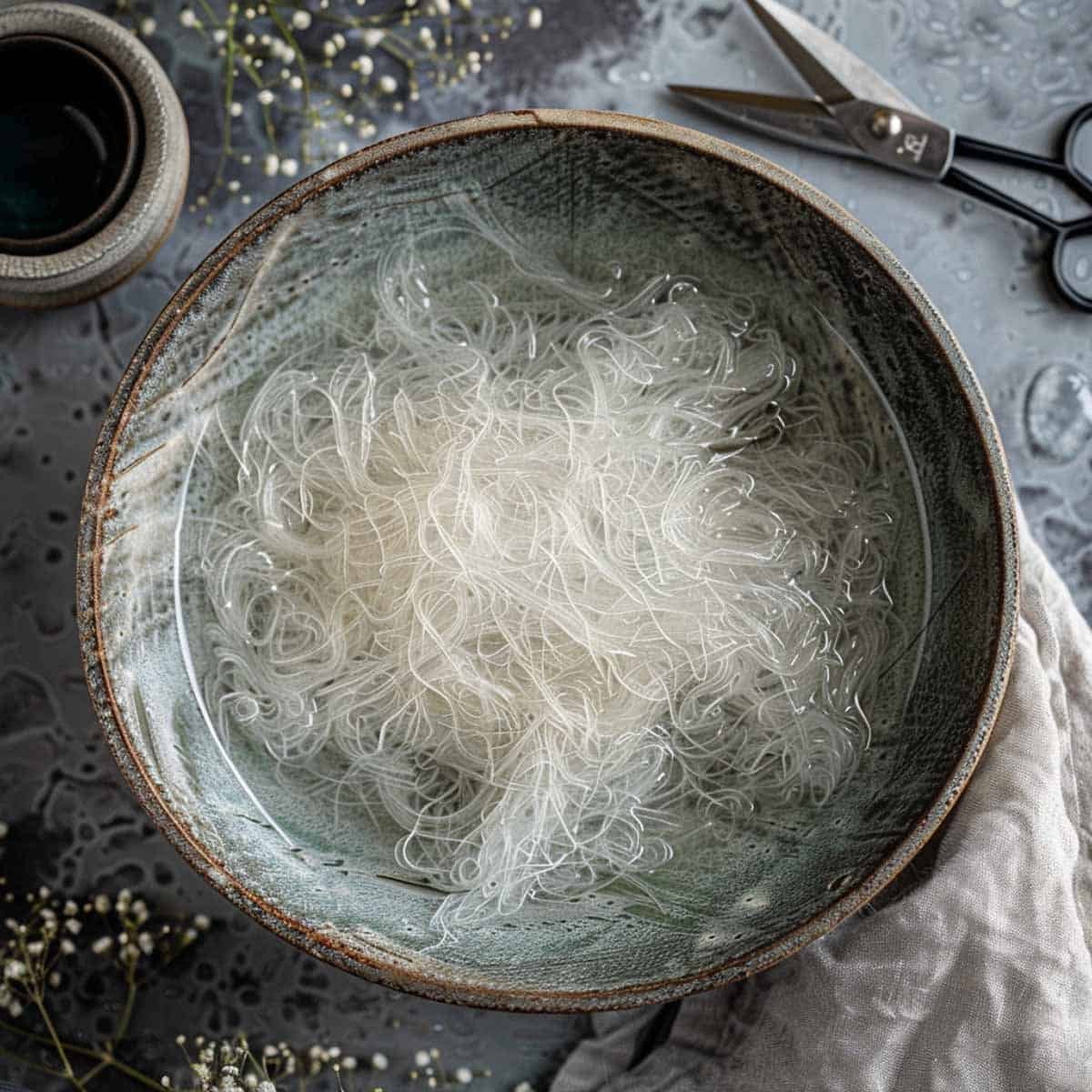
Step 1. Prepare the noodles.
Start by soaking the glass noodles in warm water for about ten minutes or until they become soft and pliable. Once softened, drain the noodles and cut them into shorter lengths using kitchen scissors. Set the noodles aside.
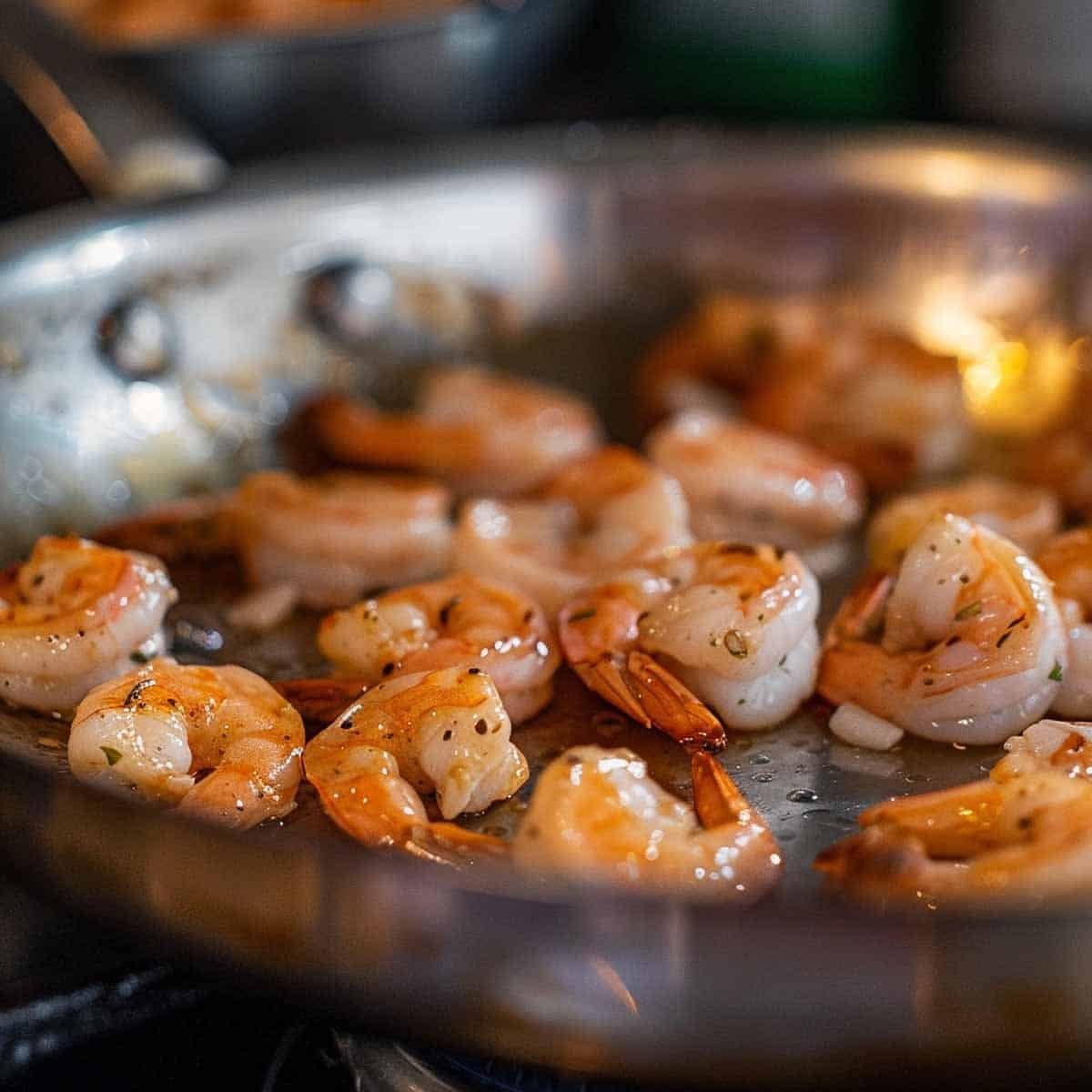
Step 2. Cook the protein.
Heat a tablespoon of vegetable oil in a pan over medium heat. If using shrimp, sauté them until they turn pink and are cooked through, about three to four minutes. If using minced pork, cook until it is no longer pink, breaking it into small pieces as it cooks. Remove from heat and set aside.
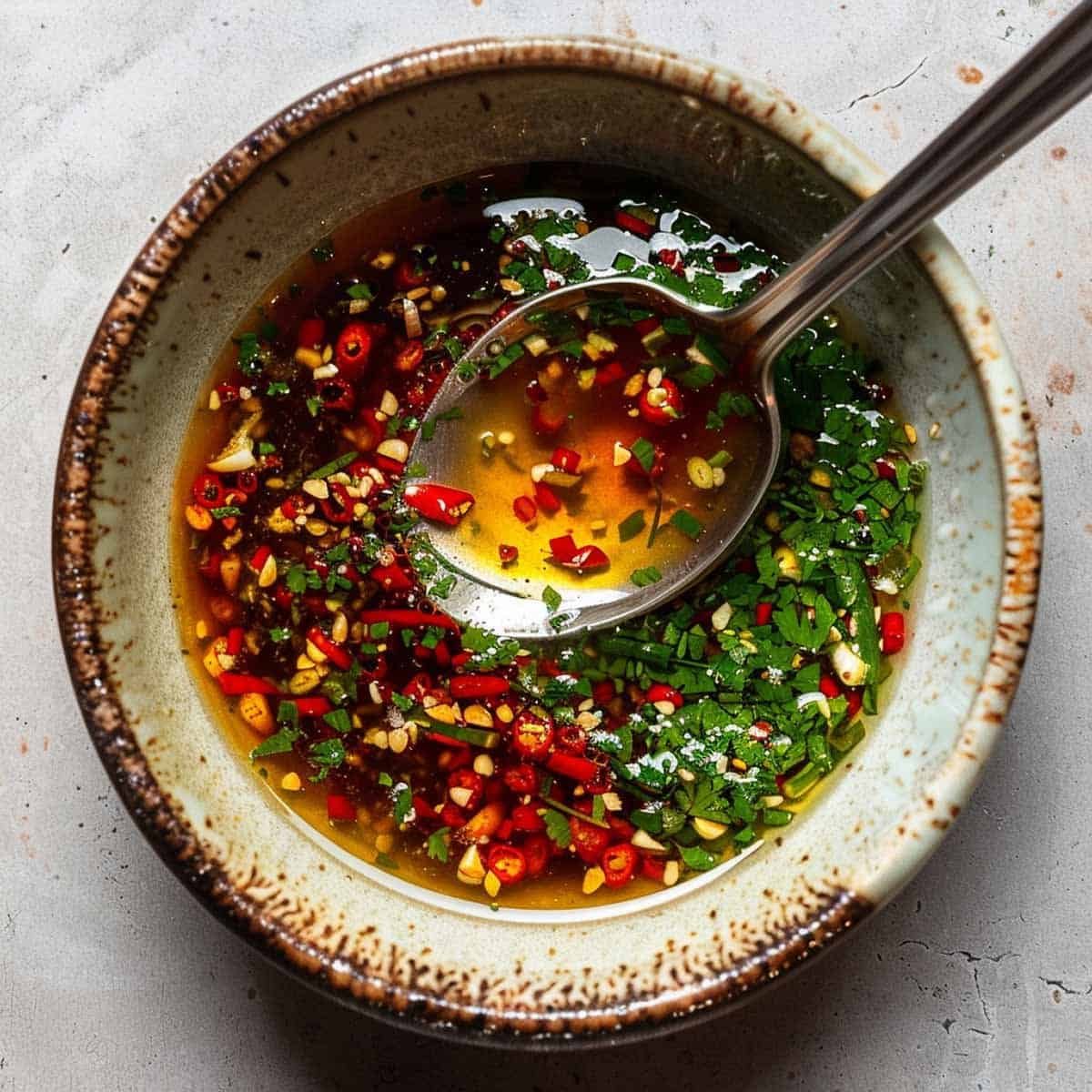
★ Step 3. Mix the salad and make the dressing. This is What Makes the Difference.
Combine the softened glass noodles, cooked shrimp or pork, julienned carrots, and other vegetables in a large bowl. In a small mixing bowl, combine the finely minced garlic, chopped chilies, fish sauce, freshly squeezed lime juice, sugar, and a splash of water. Stir until the sugar is completely dissolved. Pour the dressing slowly over the salad mixture.
Dress the noodles while they are still warm.
Step 4. Toss gently and let flavors meld.
Toss the salad gently to coat all ingredients with the dressing. Let it sit for five minutes. Add the cilantro, mint leaves, and crushed peanuts.
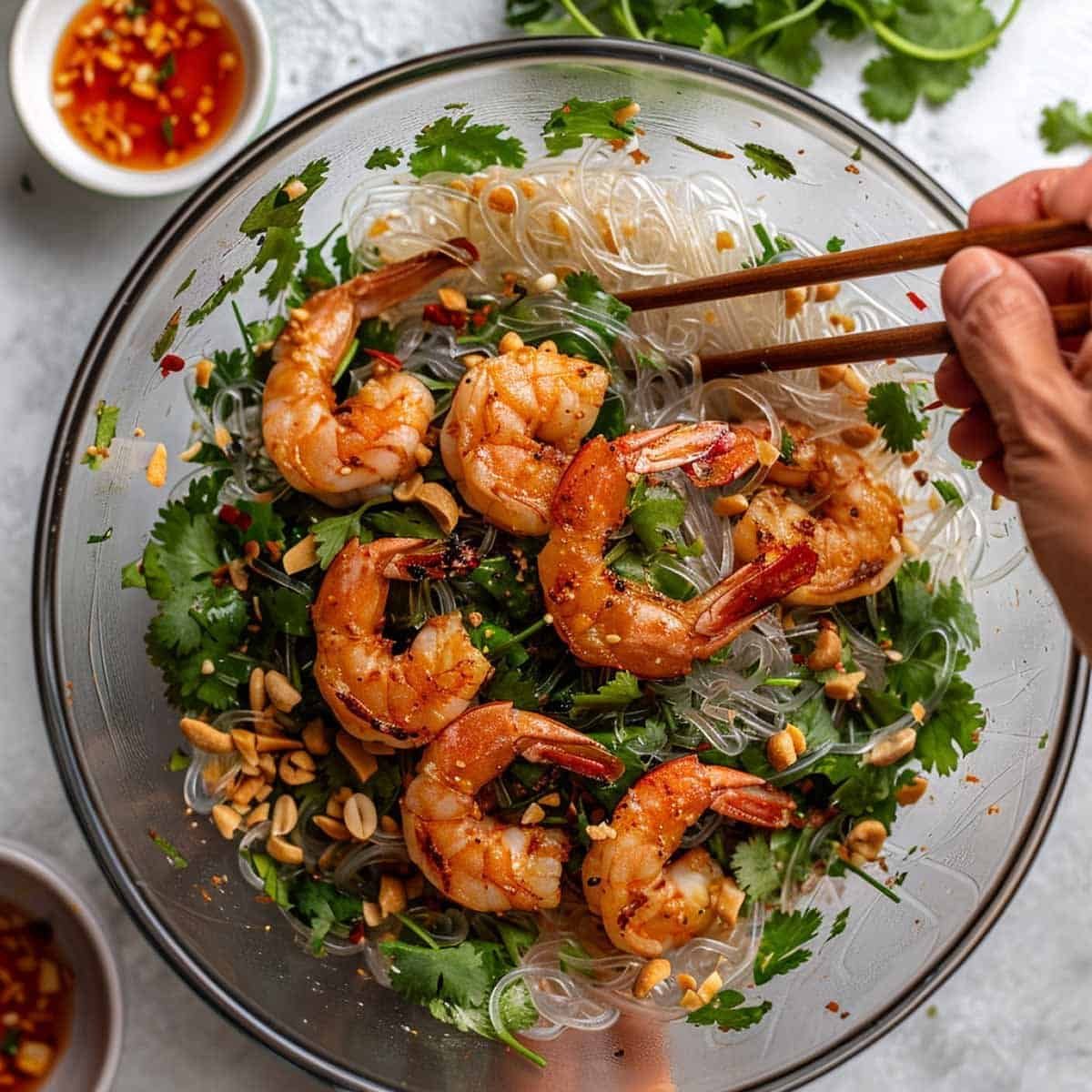
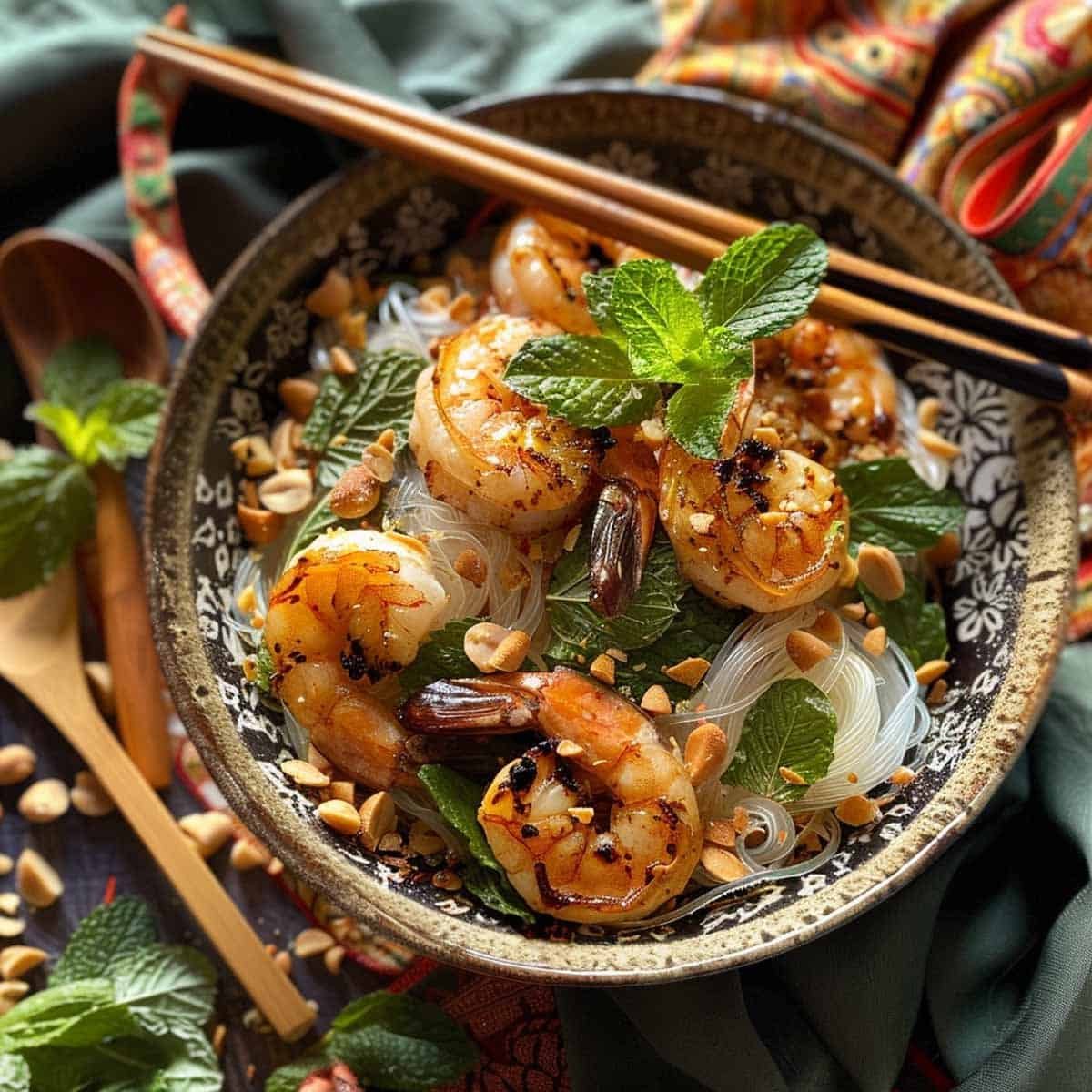
Step 5. Serve.
Serve immediately for the freshest taste.. Pile the salad into a serving bowl or individual bowls. Top with remaining cilantro and mint leaves and scatter crushed peanuts over the top. Fresh lime wedges alongside.
Yam Wun Sen ยำวุ้นเส้น Thai Glass Noodle Salad
Equipment
- Large mixing bowl
- medium saucepan
- Sharp knife and cutting board
- Citrus juicer
- tongs or chopsticks for tossing,
- wide serving plate
Ingredients
- 4 ounces oz dried glass noodles wun sen / mung bean vermicelli, soaked in warm water 10 mins and drained
- 0.5 pound ground pork optional
- 0.5 pound medium shrimp peeled and deveined
- 3 shallots very thinly sliced
- 2 stalks celery thinly sliced
- 1 medium carrot julienned or grated
- 3 green onions sliced
- 3 garlic cloves minced
- 3 tablespoons fresh lime juice
- 2 tablespoons fish sauce
- 1 teaspoon sugar
- 3 fresh Thai bird’s eye chilies finely sliced
- 3 tablespoons dried shrimp kung haeng
- 2 cups bean sprouts
- 1 handful fresh cilantro roughly chopped
- 1 handful fresh mint leaves
- 3 tablespoons roasted peanuts roughly crushed, to garnish
- 2 fresh limes cut into wedges, to serve
Instructions
- Preparing the NoodlesStart by soaking the glass noodles in warm water for about 10 minutes or until they become soft and pliable. Once softened, drain the noodles and cut them into shorter lengths using kitchen scissors. Set the noodles aside.
- Cooking the Protein Heat a tablespoon of vegetable oil in a pan over medium heat. If using shrimp, sauté them until they turn pink and are cooked through about 3-4 minutes. If using minced pork, cook until it's no longer pink, breaking it into small pieces as it cooks. Remove from heat and set aside.
- Mixing the Salad Combine the softened glass noodles, cooked shrimp or pork, julienned carrots, green onions, celery, in a large bowl. Add the chopped cilantro, mint leaves, and crushed peanuts.
- Making the Dressing Combine the finely minced garlic, chopped chilies, fish sauce, freshly squeezed lime juice, sugar, and water in a small mixing bowl. Stir the mixture gently but thoroughly, ensuring the sugar is completely dissolved. Pour dressing over the noodles while its still warm.
- Combining and Serving Toss the salad gently to coat all ingredients with the dressing. Let it sit for 5 minutes to allow the flavors to meld together. Serve immediately for the freshest taste.
Notes
Nutrition
LET’S GET THIS RIGHT
Why does my Yum Woon Sen taste flat and underdressed?
The noodles were cold when the dressing went on. Cold glass noodles will not absorb fish sauce and lime juice. The dressing sits on the surface rather than penetrating the noodle, and the salad tastes thin regardless of how much dressing was added. Always dress the noodles while they are still warm from soaking. If the noodles have cooled, briefly rinse them with warm water to bring them back to temperature before dressing.
How sour should Yum Woon Sen be?
Very. The lime juice is the backbone of this salad, not a finishing note. The dressed noodles should taste immediately and clearly sour. If the sourness is subtle or takes a moment to arrive, add more lime. Three tablespoons is the recipe starting point. Most people who love this dish end up using more. Always have extra lime wedges on the table.
What are glass noodles and where do I find them?
Glass noodles, also called woon sen, cellophane noodles, or mung bean noodles, are dried noodles made from mung bean starch. They are white and stiff when dry and turn completely translucent when soaked in water. They are sold in small bundles at Asian grocery stores and many mainstream supermarkets in the Asian foods aisle. They have a neutral flavor and a slightly slippery, yielding texture that absorbs dressings well. They are gluten-free.
Can I make Yum Woon Sen without shrimp?
Yes. Ground pork alone works well. Tofu, pressed and cubed, is a vegetarian option. The dried shrimp can be replaced with a small amount of roasted peanuts for a similar savory depth. The salad is flexible in its protein. The noodles and the dressing are the constant.
How long does Yum Woon Sen keep?
It is best eaten the day it is made. The glass noodles continue to absorb the dressing as the salad sits, and by the next day they will be softer and the dressing less bright. If you must store it, refrigerate and bring to room temperature before eating. Add a squeeze of fresh lime before serving from refrigeration.
FLAVOR PROFILE
The lime arrives first. It always does in this dish, sharp and bright and present before anything else has registered. That is the sourness that a small child understood before they understood anything else about Yum Woon Sen, and it is still the first thing.
Then the fish sauce underneath it, the salt arriving a beat behind the lime, providing depth without sharpness. Then the chili heat, building slowly from behind both of them. Then the noodles themselves, slippery and slightly yielding, absorbing everything they have been tossed in, tasting of lime and fish sauce and the pork fat that has worked its way through the salad.
The textures arrive in sequence rather than all at once. The slippery noodle. The tender shrimp. The slight resistance of the celery. The soft collapse of the tomato. The papery dried shrimp, dissolved into the background, adding depth without announcing themselves. The shallots sharp and thin. The cilantro bright on top of everything.
A small child on a mat picks through all of this, finding the pieces that make sense and leaving the others for later. Later comes, eventually, and the whole bowl makes sense. The lime still comes first.
SUSIE’S KITCHEN NOTES
Glass noodles expand significantly when soaked. A small amount of dried noodle becomes a much larger volume of soaked noodle. Do not be alarmed by how little the dried amount looks before soaking. By the time the noodles are soaked, cut, and tossed with the other ingredients, they will be the right amount for the dish.
The celery in Yum Woon Sen is not an approximation of something else. It is the correct ingredient. In Thailand, Chinese celery is used, smaller stalks, more fragrant, more intensely flavored than Western celery. If Chinese celery is available at an Asian grocery store, use it. If not, regular celery cut on a diagonal in thin slices works well. The crunch of the celery against the slippery noodle is one of the textures that makes Yum Woon Sen what it is.
The salad should be tossed and served relatively quickly after dressing, within thirty minutes. The glass noodles continue to absorb the dressing as they sit, and after an hour the noodles will be softer and the dressing less vibrant. Have all the components ready and dress and toss just before serving. The preparation can happen ahead. The tossing cannot.
My mother and her sisters made this without measuring anything. The lime was squeezed by hand until it looked right. The fish sauce went in by eye. The chilies went in by preference. A child on the mat asked for more lime and more lime was added. That is still the right approach to this dish. Make it, taste it, add more lime, and trust what the taste is telling you.
PAIRING SUGGESTIONS
Yum Woon Sen belongs at the center of a shared Thai meal, bowl on the mat that everyone reaches into, the sourness of the lime cutting through anything richer that surrounds it. It pairs naturally with the Thai fish sauce chicken wings, the crisp savory wings against the sour slippery noodles, the two of them needing each other in the way that fried and acidic always do. The Thai omelet is the simpler companion, fast and egg-based, the richness of the egg alongside the bright sourness of the salad. For a fuller spread where the glass noodle salad is one of several dishes, the Chicken larb is its natural companion, both of them herb-forward, both built on lime and fish sauce, both best eaten around the same mat. And for the drink that closes a meal built on sourness and heat, the Thai iced tea is sweet and cold and always the right answer. We sat on the mat, and I picked through the bowl. The lime was what I understood first. It still is.
FAQ
What is Yum Woon Sen?
Yum Woon Sen, ยำวุ้นเส้น, is a Thai glass noodle salad made from soaked mung bean noodles combined with shrimp, ground pork, carrots, celery, shallots, green onions, bean sprouts, dried shrimp, fresh cilantro, and mint leaves, tossed with a dressing of fish sauce, lime juice, garlic, chilies, and sugar. It is served at room temperature and is sour, savory, and full of contrasting textures. The lime juice is the backbone of the dish and should be generous.
How do you make Yum Woon Sen step by step?
Soak glass noodles in warm water for about ten minutes until soft and pliable, then drain and cut into shorter lengths with scissors. Cook shrimp in a pan over medium heat until pink and cooked through, three to four minutes. Cook ground pork until no longer pink, breaking into small pieces. Combine softened noodles, cooked proteins, julienned carrots, and vegetables in a large bowl. Mix dressing of minced garlic, chopped chilies, fish sauce, lime juice, sugar, and water until sugar dissolves. Pour over salad and toss gently. Add cilantro, mint, and crushed peanuts and toss once more. Let sit five minutes, taste and adjust lime, then serve immediately with extra lime wedges alongside.
What are glass noodles (woon sen)?
Glass noodles, woon sen, are thin dried noodles made from mung bean starch. They are white and brittle when dry and become completely translucent and slightly slippery when soaked in water. They have a neutral flavor and absorb dressings and sauces well. They are sold at Asian grocery stores and many mainstream supermarkets in small bundles. They are naturally gluten-free. In Thai cooking they are used in salads, soups, and stir-fries.
Why do you dress Yum Woon Sen noodles while they are warm?
Warm glass noodles absorb the fish sauce and lime juice dressing. The flavor goes into the noodle rather than sitting on the surface. Cold noodles will not absorb the dressing regardless of how much is added, producing a salad that tastes underdressed and flat. This is the most important technique in making Yum Woon Sen correctly. Dress the noodles while they are still warm from soaking.
Is Yum Woon Sen spicy?
Yum Woon Sen has a building heat from the fresh Thai bird chilies, present and warming rather than immediately sharp. The heat level depends on the number of chilies used. Three chilies sliced thin produces moderate heat. More produces something genuinely hot. For less heat, reduce the chilies or remove the seeds before slicing. The sourness of the lime and the saltiness of the fish sauce both moderate how the chili heat is perceived.
Can I make Yum Woon Sen vegetarian?
Yes. Omit the shrimp, ground pork, and dried shrimp. Replace the fish sauce with soy sauce or a vegetarian fish sauce made from seaweed. Add pressed tofu, cubed and briefly pan-fried, as the protein. Roasted peanuts can replace the dried shrimp for savory depth. The glass noodles, vegetables, and lime-based dressing are all naturally plant-based. The vegetarian version is lighter and still very good.
What is the difference between Yum Woon Sen and other Thai salads?
Yum Woon Sen is built on glass noodles, giving it a texture that other Thai salads do not have, slippery, translucent, absorbing the dressing completely. Larb is built on minced meat and toasted rice powder with no noodle. Som tum is built on shredded green papaya pounded in a mortar. All three use lime juice and fish sauce as the dressing base but produce completely different textures and eating experiences. Yum Woon Sen is the most texturally complex of the three.