

Quick Answer:
Thai peanut sauce recipe (Nam Jim Satay) combines creamy peanut butter with coconut milk, red curry paste, and traditional Thai seasonings for an authentic, versatile sauce. The key to perfection is balancing sweet, salty, tangy, and spicy flavors while achieving a silky-smooth consistency. After testing dozens of variations from my family's centuries-old recipe, I've found this version delivers restaurant-quality results every time.

Authentic Thai Peanut Sauce Recipe
Ingredients
- 1 cup coconut milk
- ½ cup creamy peanut butter natural, unsweetened
- 2 tablespoons red curry paste
- 2 tablespoons brown sugar
- 2 tablespoons fish sauce
- 1 tablespoon tamarind paste optional, for a touch of tanginess
- 1 teaspoon soy sauce
- ½ teaspoon ground cumin
- ¼ cup water adjust as needed for desired consistency
- 2 tablespoons lime juice freshly squeezed
- ¼ cup crushed peanuts for garnish
- Chopped cilantro for garnish
Instructions
- Combine the Base Ingredients: In a medium saucepan, mix coconut milk, natural peanut butter, authentic Thai red curry paste, brown sugar, fish sauce, tamarind paste (if using), soy sauce, and ground cumin. Whisk together until relatively smooth for the best satay sauce foundation.
- Simmer to Develop Flavors: Place the saucepan over medium heat and bring the Thai peanut mixture to a gentle simmer. Stir frequently with a wooden spoon to prevent the sauce from sticking to the bottom of the pan. This traditional technique helps blend the Nam Jim Satay flavors.
- Perfect the Consistency: As the homemade sauce warms and ingredients meld together, assess its thickness. If your authentic Thai peanut sauce seems too thick, gradually add up to ¼ cup of water, stirring well after each addition until you achieve the ideal silky texture.
- Balance with Fresh Lime: After the sauce has simmered for 5-10 minutes and the flavors have harmonized, remove from heat. Immediately stir in fresh lime juice. Adjust according to taste, adding more for a tangier authentic Thai sauce that brightens all the rich flavors.
- Garnish for Authentic Presentation: Transfer your homemade Thai peanut sauce to a serving bowl. Sprinkle crushed peanuts and freshly chopped cilantro on top for traditional flavor enhancement and an authentic visual presentation that's perfect for satay or spring rolls.
Video

Notes
Nutrition
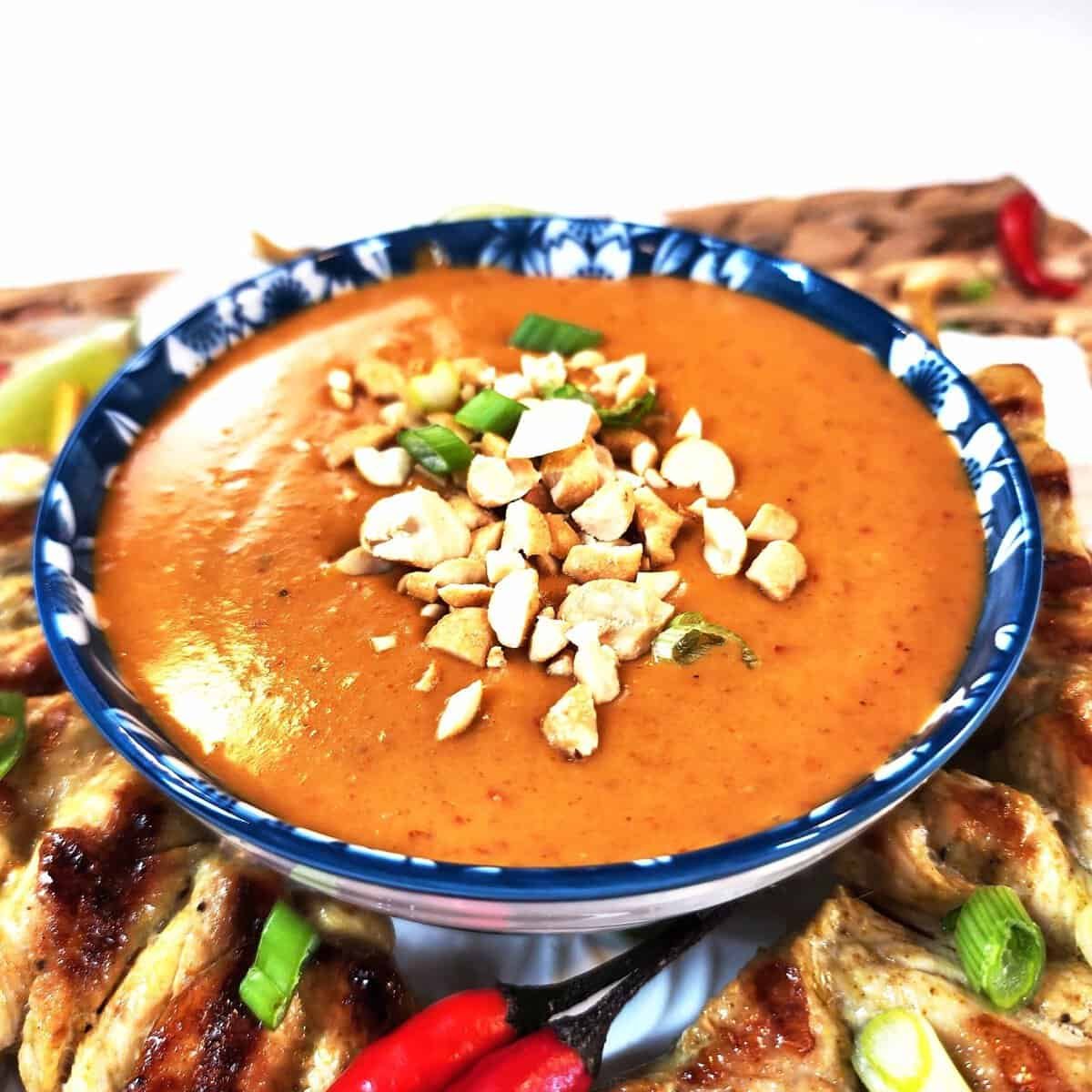
Authentic Thai Peanut Sauce Recipe: Family Secret Nam Jim Satay Revealed!
Have you been searching for a truly authentic Thai peanut sauce recipe that tastes like the one from your favorite restaurant? This Nam Jim Satay recipe comes from my family's Thai culinary heritage, perfected through generations of tradition and my professional experience with Beach Shack Sauces.
Why I Love This Homemade Thai Satay Sauce Recipe

Sawasdee Kha, (Hello)
This Thai peanut sauce recipe takes me back to my grandmother's kitchen in Thailand. Every weekend, the aroma of toasted spices filled our home, and simmering coconut milk created a backdrop to our family gatherings. As a child, I watched in awe as she transformed simple ingredients into a velvety sauce with perfect flavor balance.
I inherited this centuries-old family recipe years ago. After refining it through my culinary journey, I've perfected every element. This authentic recipe creates a silky-smooth sauce. It clings perfectly to satay skewers, spring rolls, or noodles. It's never too thick or cloying.
Properly blooming the curry paste creates the depth of flavor that store-bought versions can't match. Have you noticed how Thai restaurants achieve perfect flavor balance? This recipe reveals that secret technique.
Share this authentic Thai recipe with friends who appreciate real Thai flavors!

Step-by-Step Thai Peanut Sauce Instructions for Beginners
Ingredients
This authentic Thai peanut sauce Recipe centers around natural, unsweetened peanut butter. Additionally, rich coconut milk creates the sauce's luxurious base. Furthermore, traditional Thai ingredients provide complex aromatics. Specifically, red curry paste contains lemongrass, galangal, and kaffir lime. Meanwhile, fish sauce delivers the essential umami depth that defines Thai cuisine.
The optional tamarind paste adds sophisticated tanginess, therefore elevating this sauce above typical recipes. In addition, it perfectly balances brown sugar's caramel notes. Have you noticed how restaurant sauces have perfect consistency? Indeed, the right balance of liquids makes all the difference..
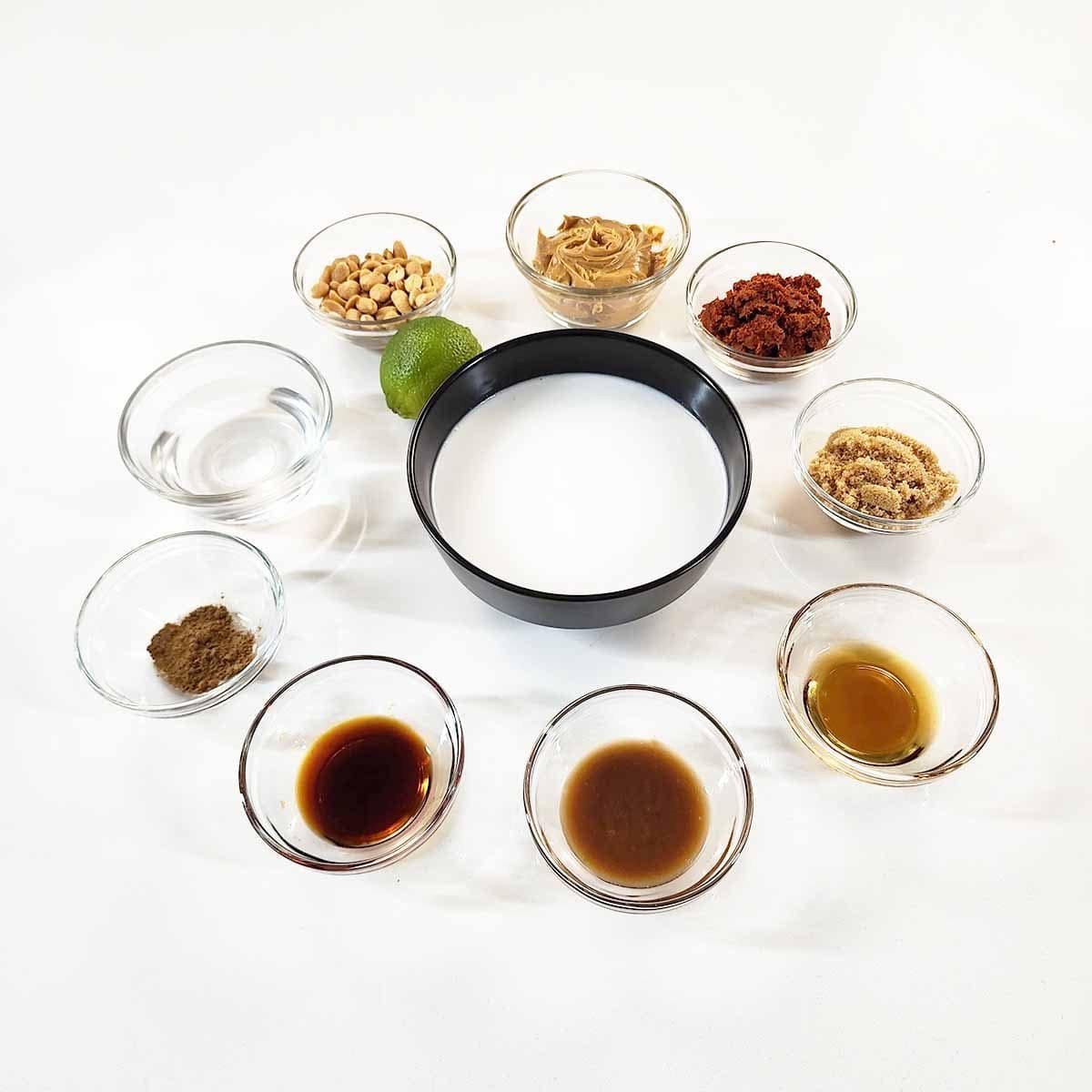
STEP 1: Building Flavor Foundations: Combining Your
Begin by combining all ingredients in a medium saucepan. Mix coconut milk, peanut butter, curry paste, brown sugar, fish sauce, tamarind paste, soy sauce, and cumin. Whisk until relatively smooth. Don't worry about perfect smoothness yet. The heating process will help meld everything together. I discovered something important during recipe testing. Combining ingredients while cold creates a better emulsion. This works better than adding ingredients to already-heated coconut milk.
STEP 2:
Place your saucepan over medium heat. Bring the mixture to a gentle simmer. Stir frequently with a wooden spoon or heat-resistant spatula. First, you'll notice the sauce bubbling slightly at the edges. This is your cue to stir more diligently. Prevent the sauce from sticking to the bottom. Listen for a gentle sizzling sound. Avoid a rolling boil. The right sound indicates perfect temperature. This preserves delicate flavors while allowing them to meld.


STEP 3: Perfect Consistency: Adjusting Your Sauce Thickness
Watch as the sauce heats through. Its color transforms from pale beige to golden amber. Tiny specks of red chili oil will surface around the edges. This visual change signals a crucial moment. Now, you should assess consistency. Many recipes fail by adding water too early. I tested this recipe 14 times for Beach Shack Sauces. I found the perfect moment to evaluate thickness. It's about 5 minutes into simmering. This timing yields the ideal texture.
STEP 4:
Now, adjust the consistency if needed. Is your sauce too thick to coat the back of a spoon? Does it fail to drip off slowly? Add water gradually. Start with just two tablespoons. Incorporate completely before adding more. You want a sauce that's pourable but substantial. It should cling to satay skewers or vegetables. Aim for the consistency of warm honey or thick salad dressing.
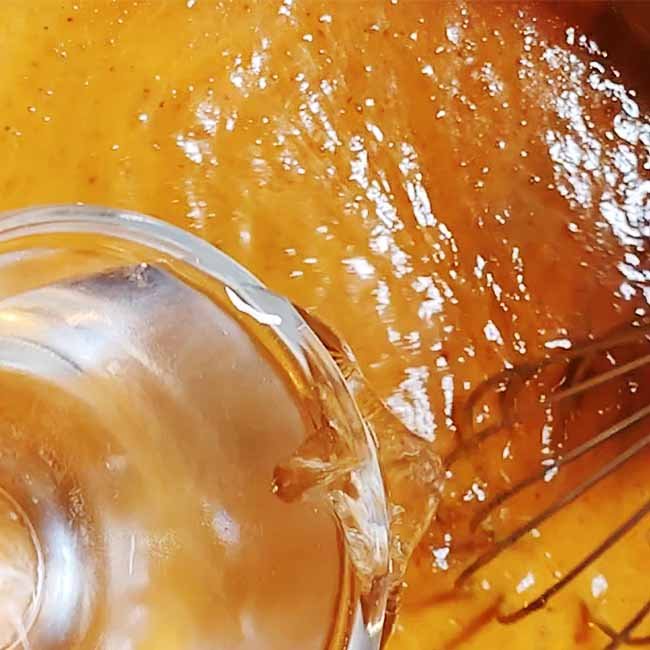
STEP 5: Add Lime Juice & Balance Flavors
Let the sauce simmer for about 7-8 minutes total. As a result, this timing creates perfect flavor development and won't reduce the sauce too much. Once done, remove it from heat when it reaches your desired consistency. Immediately afterward, stir in the fresh lime juice. Importantly, adding it at the end preserves bright, vibrant notes, which would otherwise diminish with prolonged cooking. Next, taste the sauce and assess flavor balance. Is it tangy enough? Sweet enough? Finally, the sauce should dance on your palate. Above all, no single flavor should dominate.
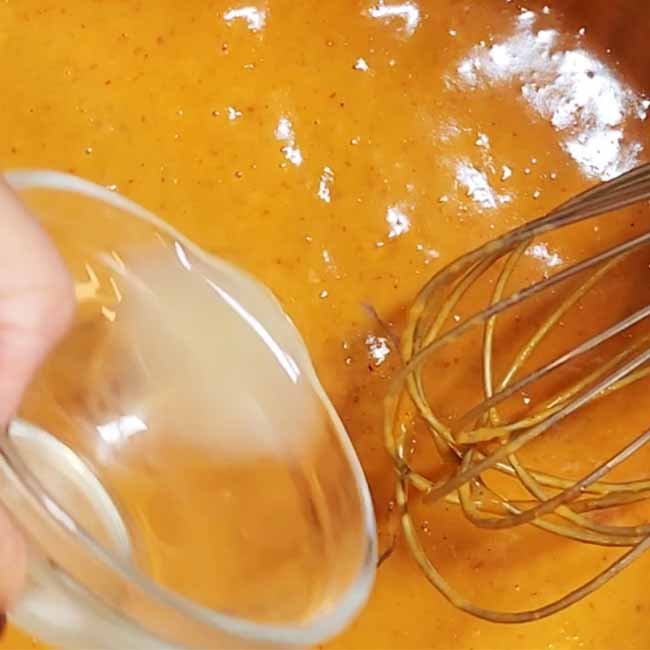
STEP 6: Finishing touches
Transfer your finished sauce to a serving bowl and garnish with a sprinkle of crushed peanuts and fresh chopped cilantro. The contrast of smooth sauce with the crunchy peanut topping creates a delightful textural experience, while the cilantro adds a pop of color and fresh herbaceous notes that brighten the rich sauce. For the best flavor experience, serve the sauce warm rather than piping hot, as extreme heat can mute some more delicate flavor notes.

Common Thai Peanut Sauce Mistakes to Avoid for Best Results
The most common pitfall when making Thai peanut sauce Recipes is overheating, which causes separation and an oily texture. After testing version 5 of this recipe for my Thai Curry Bible cookbook, I discovered that maintaining a gentle simmer prevents this issue completely. Another mistake is over-thinning the sauce too early—always let it cook for at least 5 minutes before adding any water. Finally, don't skip the acid component (lime juice or tamarind); without this crucial counterpoint, the sauce becomes one-dimensional and loses that authentic Thai flavor balance.
Thai Peanut Sauce Flavor Profile and Perfect Pairing Suggestions
This authentic Thai peanut sauce recipe delivers a complex symphony of flavors that unfold in layers as you taste. Your first sensation is the rich, roasted nuttiness from natural peanut butter, followed by a subtle sweetness that blooms mid-palate. This transitions into aromatic notes from the curry paste—lemongrass, galangal, and kaffir lime—before a gentle heat builds in the background. The finish features a balanced tangy brightness from the lime juice that ties everything together and invites another taste.
The flavor profile includes:
- Deep umami foundation (fish sauce, soy sauce)
- Aromatic complexity (red curry paste, cumin)
- Nutty richness (natural peanut butter)
- Creamy mouthfeel (coconut milk)
- Sweet undertones (brown sugar)
- Tangy brightness (lime juice, tamarind)
- Gentle warming heat (red curry paste)
This versatile sauce pairs beautifully with grilled chicken satay, steamed vegetables, rice paper rolls, or as a dipping sauce for fresh spring rolls. It also transforms simple noodle dishes into exciting meals—try tossing with rice noodles, shredded cabbage, and cucumber for an instant Thai noodle salad.
Love this recipe. Rate it 5 stars and share what you paired it with!
Recipe Notes and Tips
After developing sauces for Beach Shack Sauces for years, I've discovered that the order of operations is the key to the perfect Thai peanut sauce. Version 3 of this recipe finally achieved the ideal consistency by combining all ingredients cold and then heating together—a technique I learned from my mother in Korat. If you're using natural peanut butter that's separated, be sure to stir it thoroughly before measuring to ensure proper texture.
This sauce keeps beautifully in the refrigerator for up to 5 days for make-ahead convenience. You'll notice it thickens considerably when chilled—reheat gently with a tablespoon of water to restore the original consistency. When testing this recipe in my professional kitchen, I found that adding the lime juice off-heat made a remarkable difference in preserving the bright flavor notes that can be lost with prolonged cooking.
For a completely vegetarian version, substitute the fish sauce with equal parts soy sauce and a dash of mushroom powder for that essential umami depth. As with all authentic Thai recipes on my site, the balance of flavors is key—don't be afraid to taste and adjust to your preference.
Comment below to share how this authentic Thai sauce worked for you!
Frequently Asked Questions
What can I substitute for fish sauce in Thai peanut sauce?
For a vegetarian alternative, use equal parts soy sauce plus ¼ teaspoon mushroom powder or 1 teaspoon miso paste. This provides essential umami depth. After testing several substitutes during my nutrition certification, I found this combination creates the closest flavor match to traditional fish sauce.
How do I fix peanut sauce that's too thick?
Gradually whisk in warm water, one tablespoon at a time, until reaching the desired consistency. For best results, heat the sauce gently while adding water. However, avoid adding cold liquid to the hot sauce since this can break the emulsion—a lesson from my Beach Shack Sauces testing.
Can I make Thai peanut sauce ahead of time?
Yes, you can prepare this sauce up to 5 days in advance. Therefore, it's perfect for meal prep. Store in an airtight container in the refrigerator. The sauce will thicken when chilled, so simply reheat gently and add a splash of water if needed.
Is Thai peanut sauce spicy?
The traditional Thai peanut sauce has mild to moderate heat from red curry paste. My family's recipe adjusts spice by varying the curry paste amount. Consequently, you can customize to your preference—use less for a milder flavor or add crushed red pepper for more heat.
How long does homemade Thai peanut sauce last?
When properly stored, this sauce maintains quality for up to 7 days. Additionally, it can be frozen for up to 3 months. Nevertheless, it will separate and thicken when chilled, so reheat gently before serving.
Subscribe for more authentic Thai recipes delivered to your inbox!
More Thai Recipes You'll Love
If you enjoyed this authentic Thai peanut sauce, you'll appreciate my Traditional Tom Kha Gai (Coconut Chicken Soup), which uses similar aromatic ingredients to create a silky, flavorful broth. My Easy Pad Thai with Homemade Sauce demonstrates another classic Thai balance of sweet, sour, salty, and umami flavors. Try my Thai Sweet Chili Sauce for another versatile sauce, which pairs wonderfully with spring rolls or as a glaze for grilled meats. My Green Papaya Salad (Som Tam) offers a refreshing counterpoint to rich dishes, while my Authentic Red Curry Paste forms the foundation for countless Thai curries and stir-fries. Each recipe features techniques passed down through generations of my Thai family, adapted for modern home kitchens.
Tag @SusieCooksThai to share your Thai peanut sauce creations!


Leave a Reply